







What is Quick Commerce?
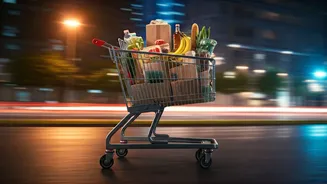
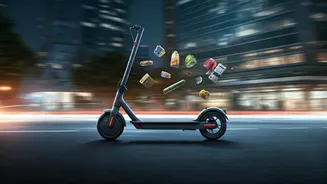
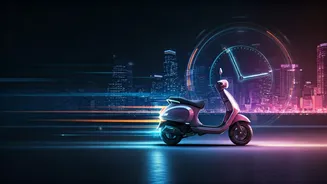
Quick commerce, or q-commerce, is the next evolution of e-commerce, built entirely around speed. While traditional online shopping might deliver in a day or two, q-commerce platforms aim to get goods to your doorstep in 10 to 30 minutes. This model isn't
for your weekly grocery haul or a new sofa. Instead, it focuses on a smaller selection of high-demand items: think snacks, drinks, basic groceries, and essential household products. The entire system is designed to fulfill small, urgent, and often impulse-driven orders, transforming a forgotten ingredient or a sudden craving into an immediate transaction.
The Engine Room: Dark Stores and Hyperlocal Hubs
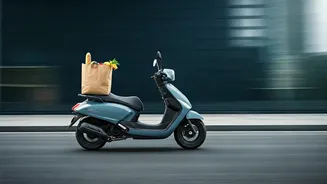
The magic behind the 10-minute promise lies in a logistics model powered by 'dark stores'. These are not retail shops for customers, but small, strategically located warehouses packed with the most popular products. Placed deep within residential neighborhoods, each dark store serves a tight radius of only a few kilometers. When you place an order, an employee inside the store picks and packs it in minutes. A waiting delivery rider then zips it over to you. This hyperlocal network, managed by sophisticated inventory and routing software, is what enables companies to bypass traffic and distance, making near-instant delivery a reality.
India's Instant Delivery Giants
The Indian quick commerce landscape is a battlefield of well-funded startups and established giants. Blinkit (formerly Grofers and now owned by Zomato) is a dominant player, holding a significant market share. Hot on its heels are Zepto, a company founded by two teenage Stanford dropouts that made the 10-minute model its core identity, and Swiggy Instamart, which leverages its massive existing food delivery network. Other major players like BigBasket (with BB Now), Flipkart (with Flipkart Minutes), and even Amazon are also aggressively expanding into this space, signaling that the race for instant delivery is only intensifying.
The Psychology of Instant Gratification
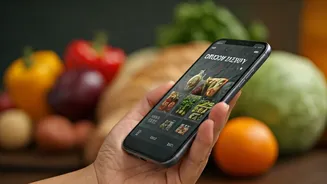
The rise of quick commerce is not just a business trend; it's a psychological shift. It transforms shopping from a planned activity into an act of impulse. The sheer convenience of getting something in minutes lowers the barrier to buying, encouraging more frequent, smaller purchases. Studies suggest this is moving consumers from need-based shopping to urgency-driven consumption. Running out of milk no longer means a quick walk to the corner store; it means a few taps on a screen. This redefines consumer expectations, making speed and convenience the new benchmarks for customer satisfaction and loyalty.
The Hidden Costs of Convenience
Despite its explosive growth, the quick commerce model faces significant challenges. For one, profitability remains elusive for many. The high costs of maintaining a network of dark stores, managing a large delivery fleet, and frequent discounting to attract customers put immense pressure on thin margins. There is also a significant impact on traditional retail, with local kirana stores facing reduced footfall and intense price competition. Furthermore, the pressure to meet ultra-fast delivery times raises questions about the working conditions and safety of gig economy delivery workers.