





The Immediate Security Barrier
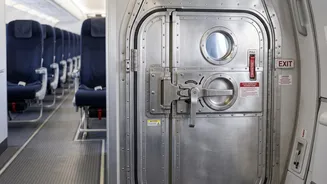
The primary reason you cannot simply walk back onto an aircraft is security. Once you step off the plane and through the jet bridge door into the terminal, you have left what is known as the 'sterile' area of the aircraft. Aviation security protocols
are built on the principle of controlling access to the aircraft cabin. Allowing a passenger to re-enter after they have been in the general terminal area would represent a security breach. Even though you were just screened hours earlier, security officials have no way of knowing what you may have come into contact with after deplaning. To maintain the integrity of the flight's security, any person re-boarding would theoretically need to go through the entire screening process again, which is simply not feasible at the gate.
The Passenger Headcount Dilemma
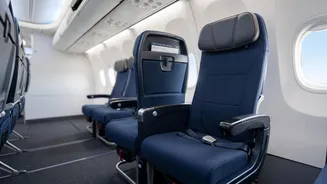
Airlines are legally required to maintain a precise and accurate count of every soul on board. This passenger manifest is critical for two main reasons: safety and weight-and-balance calculations. Flight attendants perform a manual headcount, which must match the number of passengers scanned at the gate. If a passenger who has been logged as 'deplaned' re-boards, it creates a discrepancy in this crucial count. A mismatch between the manifest and the physical count can ground a plane. Resolving it isn't as simple as just adding you back; it can involve recounts and cross-checks with the gate agent's system, causing significant delays. These numbers are vital in an emergency to know exactly who needs to be accounted for and for the flight crew to calculate the correct takeoff speeds based on the aircraft's total weight.
Immigration and Customs Complications
For international flights, the act of deplaning has significant legal meaning. When you step off the plane, you are officially beginning the process of entering a new country. You are expected to proceed directly to immigration and customs control. Attempting to re-board would be akin to trying to exit the country you just entered, creating a complex and unauthorised customs and immigration event. Officials would have to process your 'exit' before you could even theoretically get back on the plane, only to then re-process your 'arrival' once you deplaned again. This bureaucratic tangle is something airports and border agencies are structured to prevent entirely. In some countries, like the United States, all passengers must clear customs at their first port of entry, even if they have a connecting domestic flight.
Tight Turnaround Schedules
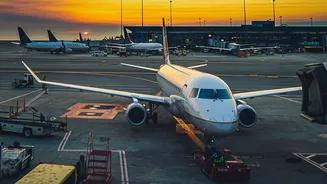
Modern airlines operate on incredibly tight schedules. The time an aircraft spends at the gate is known as 'turnaround time', and it's a highly choreographed sequence of events. As soon as the last passenger gets off, crews begin cleaning the cabin, catering is restocked, baggage is unloaded, fuel is loaded, and maintenance checks are performed. This entire process is often managed by a turnaround coordinator to ensure every task happens on schedule, sometimes involving up to 150 individual sub_tasks. Stopping this complex dance to accommodate one passenger looking for a lost item would create a domino effect, delaying not only your flight's next departure but potentially impacting the airline's entire network for the rest of the day.
So, What Should You Do?
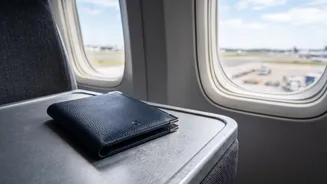
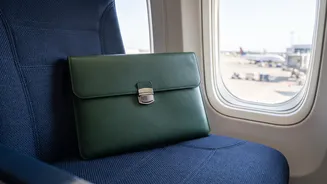
If you realise you've left something behind, do not try to re_enter the jet bridge. The quickest course of action is to speak to the airline's gate agents immediately. If they are still at the gate, they can radio the cabin crew, who are still on board preparing for the next flight. The crew can then search for your item. If you've already left the gate area, head to the airline's customer service desk in the terminal or the baggage claim office. Most airlines have a specific lost_and_found process, which usually involves filling out an online form with a detailed description of your item. The sooner you report it, the higher the chances of being reunited with your belongings.