

The Veteran's Verdict
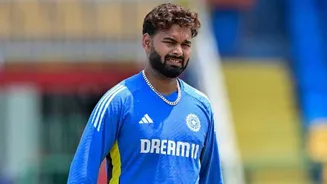
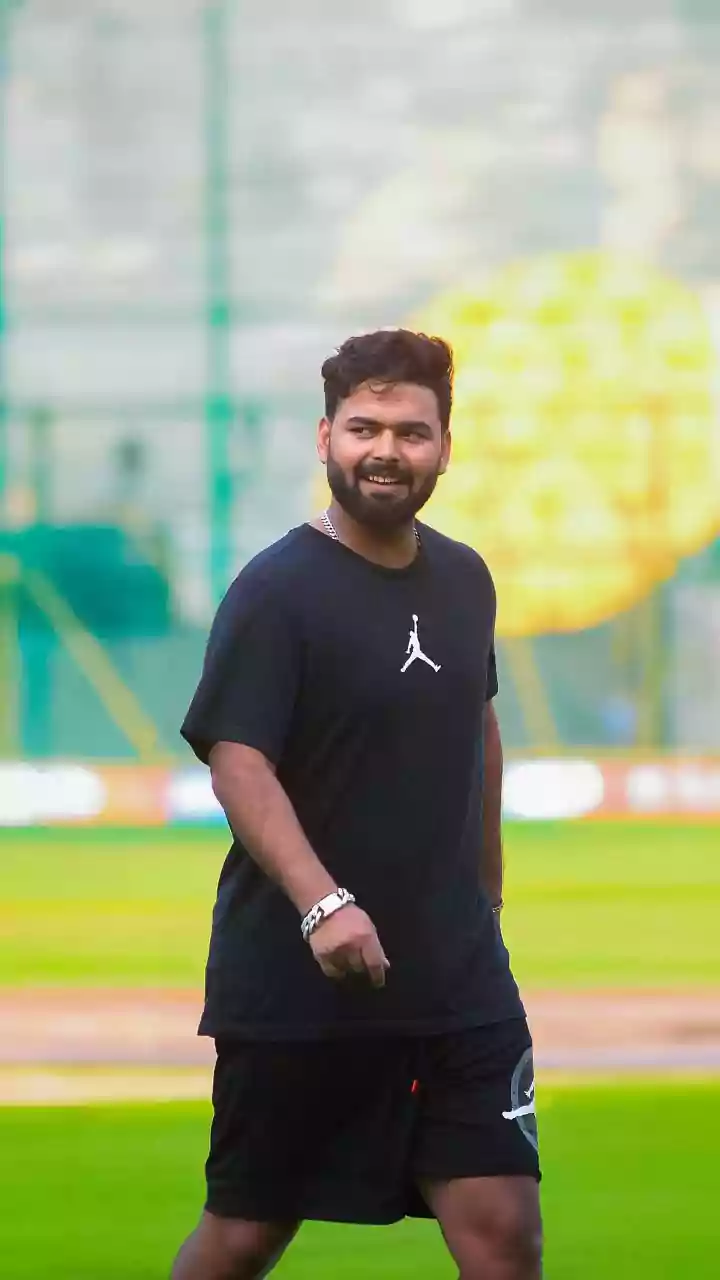
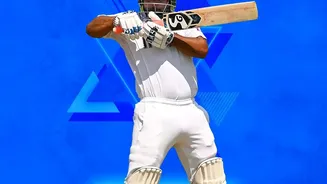
Former India opener Wasim Jaffer has sparked a significant debate by advising Rishabh Pant to turn down the Delhi Capitals captaincy if it is offered for the 2027 IPL season. Speaking on his YouTube channel, Jaffer's reasoning is clear: Pant’s primary
focus should be on his own performance to reclaim his spot in India's white-ball teams. Jaffer noted a dip in Pant's individual performance during his challenging two-season stint as captain of the Lucknow Super Giants (LSG), where the team finished last in the 2026 season. He believes the added pressure from owners, fans, and the media, combined with the demanding roles of wicketkeeping and batting, could hinder Pant's natural, aggressive game. Jaffer's counsel is for Pant to play with freedom, suggesting he follow the example of players like KL Rahul who have thrived after shedding leadership duties.
The Triple-Edged Sword of Captaincy
Jaffer's concerns highlight a well-known challenge in cricket: the 'triple burden' for a wicketkeeper-captain who is also a team's primary impact batter. The physical toll of keeping wickets for 20 overs, followed by the mental energy required to lead on the field and then produce game-changing innings, is immense. For Pant, a player whose game is built on instinct and explosive power, the strategic and administrative pressures of captaincy could be restrictive. His brief tenure at LSG, which followed a record-breaking contract, was marked by team struggles and a drop in his own formidable numbers. Across the 2025 and 2026 seasons, he scored 581 runs in 28 matches, a return below the high standards he has set. Critics during his LSG stint pointed to questionable on-field tactics and an inability to inspire the team under pressure. The fear is that another run at captaincy could compromise the very maverick quality that makes him a match-winner.
The Case for Captain Pant
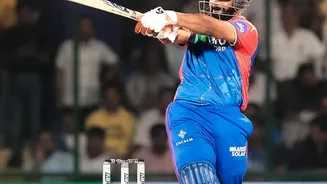
Despite the valid concerns, the argument for Pant as captain remains compelling. He has long been the heart and soul of the Delhi Capitals, a franchise he represented from the start of his IPL career. His aggressive, fearless brand of cricket embodies the spirit of the modern T20 game. When he first took over as DC's captain in 2021, he led the team to the top of the table, showcasing his potential. His supporters believe that leadership comes naturally to him and that the responsibility could temper his occasional recklessness into calculated aggression. A captain's role often forces a player to think more deeply about the game, which could ultimately enhance his own batting and keeping. Furthermore, with Delhi having struggled for consistent leadership, handing the reins to their most iconic player could provide the stability and emotional connection the team needs to build a long-term winning culture.
Lessons from Wicketkeeper-Captains
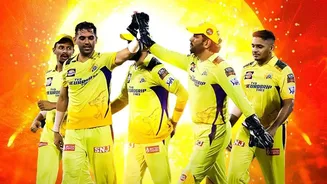
The history of wicketkeeper-captains in the IPL offers a mixed bag of precedents. The most celebrated example is MS Dhoni, who not only managed the triple role but thrived under its pressure, becoming one of the most successful captains in the league's history. Others, like Kumar Sangakkara and Adam Gilchrist, also found success, proving that the role is manageable. However, these players were known for their calm demeanour and tactical acumen, traits that are still developing in the instinctive and expressive Pant. On the other hand, some players have seen their individual form dip while trying to juggle these responsibilities. The key difference often lies in temperament and the support structure within the team. The question for Delhi Capitals is whether they can create an environment where Pant the captain can flourish without diminishing the impact of Pant the player.
The Final Call: Freedom or the Throne?
Pant's return to Delhi is a homecoming, a chance to reset after a difficult period at LSG that saw him traded back for a significant pay cut. The choice before him is not just about a title but about the trajectory of his career. Accepting the captaincy would be a statement of intent, a sign that he is ready to be the undisputed leader of his franchise. Rejecting it, as Jaffer advises, would be an act of self-preservation, prioritising his own form and a potential comeback to the national side in all formats. It would allow him to focus on what he does best: changing the course of a match with his audacious batting and energetic keeping. While the allure of the captain's armband is strong, the opportunity to unleash the unfettered, match-winning genius of Rishabh Pant might be the smarter play for both him and the Delhi Capitals in the long run.