




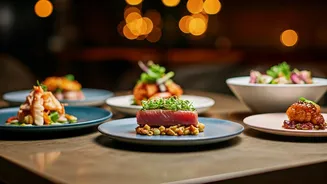
The New Centres of Culinary Gravity
The long-held belief that true culinary innovation in India is confined to Delhi, Mumbai, and Bengaluru is rapidly becoming outdated. A compelling shift is underway, with Tier-2 cities like Jaipur, Lucknow, Indore, Kochi, and Coimbatore emerging as the
new frontiers of the country's food and beverage industry. [21, 26] Once considered occasional indulgences, dining out and ordering in have become integral lifestyle choices for a new generation of consumers in these cities. [17, 21] This isn't just about more restaurants opening; it's a fundamental change in where and how the most interesting food trends are taking root, driven by a population that is aspirational, digitally connected, and eager for new experiences. [26]
What's Fuelling the Food Boom?
Several factors are converging to create this perfect storm of culinary growth. Economically, rising disposable incomes in Tier-2 cities now approach metro levels, giving people more spending power. [17, 18, 26] Simultaneously, operating costs for restaurants are significantly lower. Commercial rent can be a tenth of what it is in a prime metro location, allowing operators to break even faster and invest more in the dining experience. [23, 26]
This economic shift is amplified by a demographic one. Millennials and Gen Z in these cities are digitally engaged, follow food brands online, and are open to experimenting with everything from foreign recipes to niche health foods. [17] The expansion of food delivery platforms and the rise of cloud kitchens have been game-changers, making a vast array of cuisines accessible at the click of a button and allowing entrepreneurs to launch delivery-first brands with lower investment. [5, 7, 9]
From Hyper-Local to Global Fusion
The most exciting aspect of this transformation is the dual-pronged nature of the food itself. On one hand, there's a powerful revival of regional and hyper-local cuisines. [4, 8] Chefs are delving into their heritage, bringing lesser-known dishes from specific communities and sub-regions to the forefront. [2, 11] Menus are now proudly featuring dishes like Nagaland's smoked pork with bamboo shoot or Telangana's gongura preparations, celebrating a culinary diversity that goes far beyond generic North Indian fare. [2, 8] This is fueled by a renewed sense of cultural pride and a diner who wants authenticity and a story behind their meal. [4, 11]
On the other hand, there is a strong appetite for global cuisines, but with an innovative, local twist. [12, 14] This might manifest as a Bengaluru cafe's bestselling tiramisu made with silken tofu instead of eggs, or a fusion cheesecake incorporating traditional jaggery. [25] This blend of rediscovering roots while embracing global techniques is creating a uniquely dynamic and exciting food landscape.
The Digital Tastemakers
This entire movement is being documented, amplified, and accelerated by social media. Food vloggers and digital influencers have become powerful tastemakers, capable of turning a small street-side vendor into an overnight sensation. [13, 16] They provide a platform for culinary storytelling that elevates local dishes into mainstream conversation. [4, 11] This digital exposure not only informs consumers but also creates a feedback loop, encouraging chefs and restaurateurs to innovate further. In this new ecosystem, a visually appealing post on Instagram can be just as influential as a traditional restaurant review, democratising food critique and bringing national attention to previously overlooked culinary gems. [16]