






From Pantry Staple to Bar Star
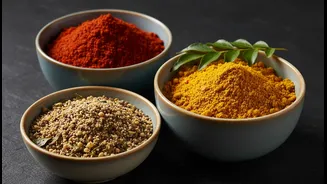
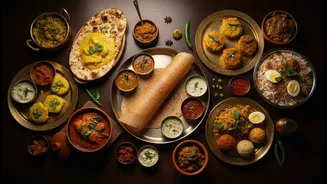
For generations, podi has been a non-negotiable staple in South Indian homes. The word simply means 'powder' in languages like Tamil and Telugu, but it represents an entire ecosystem of flavour. Traditionally, it’s a coarse, dry blend of roasted lentils,
seeds, chillies, and assorted spices, with recipes varying from family to family and region to region. Most famously known as 'gunpowder' for its explosive taste, it’s typically mixed with ghee or sesame oil and eaten with rice, idli, or dosa. Its purpose has always been to add a quick, reliable burst of texture and flavour to a meal, a savoury, comforting sprinkle that feels like home.
The Hunt for a Better Bar Snack
As India's urban bar scene evolves, the humble plate of salted peanuts or classic masala papad is no longer enough. Modern gastropubs and cocktail bars are curating their food menus as carefully as their drinks lists, seeking snacks that are not just fillers but flavourful experiences. The ideal bar bite needs to be bold enough to stand up to a complex cocktail, easy to share, and offer something novel that patrons can't just make at home. This culinary ambition has created the perfect opening for an ingredient like podi, which is inherently designed to deliver a powerful flavour punch with minimal effort.
A Fusion of Flavours
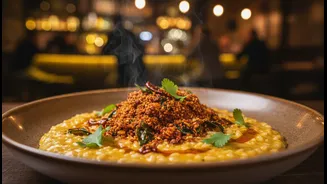
The real innovation lies in how chefs are untethering podi from its traditional pairings. Instead of serving it with dosa, they are using it as a dynamic seasoning for globally popular snacks. The most popular example is 'gunpowder fries' or 'podi fries', where classic potato fries are tossed in the spicy, nutty powder, instantly elevating them from a simple side to a star attraction. This trend extends to potato wedges, popcorn, and even roasted nuts. Some establishments are pushing the envelope further, creating Indo-Italian fusions like podi-dusted pasta or using it as a crust for paneer and chicken. The logic is simple: the roasted, nutty, and spicy notes of podi provide a complex base that pairs surprisingly well with a wide variety of textures and international flavours.
The Secret to Podi's Versatility
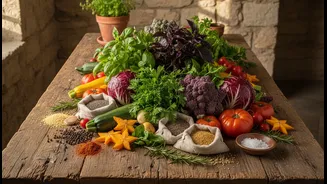
What makes podi such a perfect candidate for this cross-cultural experimentation? It comes down to its construction. Podi is built in layers, much like a perfume, with a base of roasted lentils or nuts for texture and depth, a middle note of spices for warmth, and often a top note from a 'hero' ingredient like curry leaves or garlic. This complex, multi-layered flavour profile means it can do more than just add heat; it adds crunch, umami, and aroma all at once. Its dry format also allows it to adhere perfectly to everything from fries to roasted vegetables, creating a flavourful crust. This inherent versatility is what allows chefs to treat it not just as a garnish, but as a transformative ingredient.
A Sign of Modern Indian Cuisine
The journey of podi from a household condiment to a trendy pub snack asset is part of a larger movement in modern Indian food. Chefs are increasingly looking inward at the vast pantry of regional Indian ingredients and techniques, reinterpreting them with global sensibilities. This creative confidence results in exciting and approachable dishes like mutton ghee roast tacos or chicken wings dusted with Chettinad spices. The rise of fusion podi snacks is a perfect example of this trend, honouring a traditional flavour while presenting it in a format that feels fresh, fun, and perfectly suited for a night out. It respects the ingredient's roots while confidently taking it in a new direction.