







The Paradox of Plenty
Imagine building a state-of-the-art factory, only to be told to halt production during your most productive hours. This is the reality for many of India’s solar power plants. The issue is known as ‘curtailment’, a technical term for when grid operators
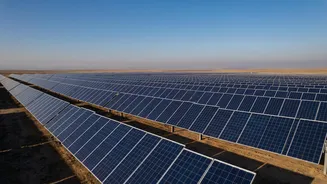
instruct a power plant to generate less electricity than it is capable of producing. This isn't due to cloudy skies or technical faults at the plant; it's a deliberate reduction because the grid cannot absorb or transmit the power at that moment. In the first quarter of 2026 alone, a massive amount of renewable energy, mostly solar, was curtailed. This means that even as parts of the country face power shortages, perfectly good, clean energy is going unused.
Why Is Clean Power Being Wasted?
The reasons for curtailment are complex, stemming from a mismatch between generation and infrastructure. A primary cause is insufficient transmission capacity. Solar farms are often located in sunny, remote regions like Rajasthan and Gujarat, but the transmission lines needed to carry that power to industrial and residential centers haven't kept pace with the rapid construction of solar plants. Building a solar farm can take less than a year, while a new transmission line can take over two and a half years. Another major factor is grid stability. Solar power is variable—peaking during sunny afternoons and disappearing at night. This influx of power can stress the grid, which was designed for the steady output of traditional coal plants. Finally, there are economic reasons. Financially strained state distribution companies (DISCOMs) may sometimes choose to buy cheaper power from other sources or simply reduce offtake to manage their finances, despite solar's 'must-run' status.
The High Cost of Curtailment
Wasting clean energy has significant consequences. For solar power developers, every megawatt-hour curtailed is lost revenue, which can threaten the financial viability of their projects and deter future investment. This makes the sector riskier and could slow down India's transition to clean energy. The problem also paradoxically increases reliance on fossil fuels. Because solar power is unavailable during evening peak demand, coal-fired plants must remain online, often running inefficiently as they ramp up and down to balance the grid. This not only undermines decarbonisation goals but also means missed opportunities to displace more expensive and polluting power sources.
Forging a Path Forward
Solving the curtailment challenge requires a multi-pronged approach that goes beyond simply installing more solar panels. The most critical step is upgrading and expanding India's transmission infrastructure to better connect generation hubs with demand centers. Another key solution is the large-scale deployment of energy storage, particularly battery energy storage systems (BESS). These systems can store the excess solar power generated during the afternoon and release it during the evening peak, smoothing out supply and making renewable energy available around the clock. Additionally, making the entire power system more flexible is crucial. This includes modernizing coal plants to ramp down more effectively, improving energy forecasting with AI, and using policies like time-of-day tariffs to encourage consumers to shift their electricity usage.