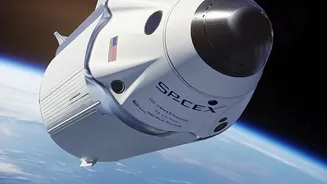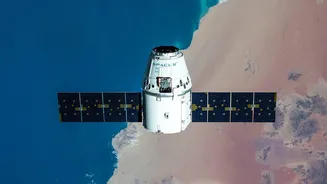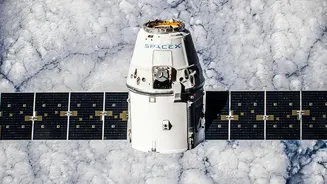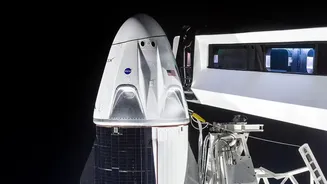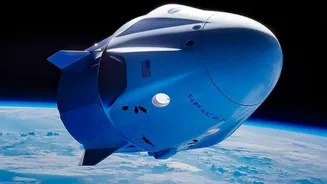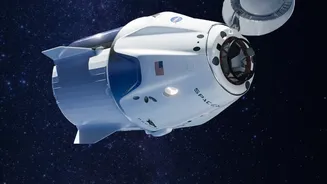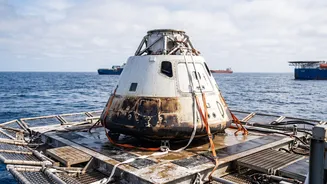




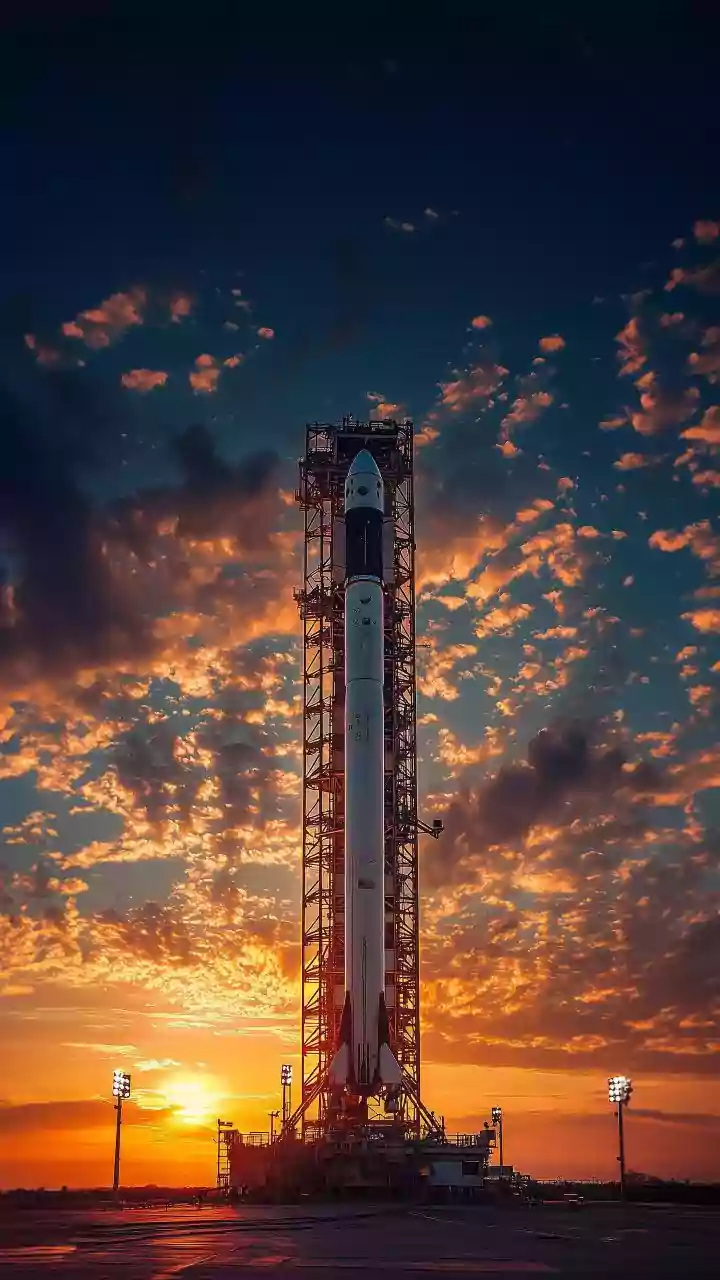

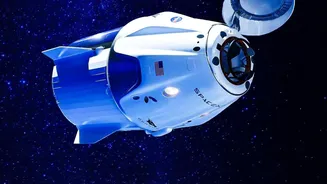
A SpaceX Dragon capsule successfully splashed down in the Pacific Ocean on Saturday, completing NASA’s 35th commercial resupply mission and returning a precious haul of scientific cargo from the International Space Station to Earth.
A Successful Round Trip
The uncrewed Dragon
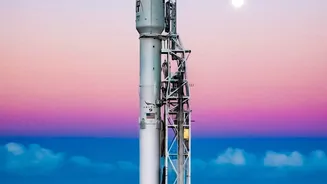
spacecraft concluded its journey on November 21, landing off the coast of California after undocking from the International Space Station (ISS) the previous day. The mission, designated CRS-35, began on October 13 with a launch aboard a Falcon 9 rocket from Cape Canaveral, Florida. It delivered over 6,300 pounds of supplies, station hardware, and new science experiments to the orbiting laboratory. After more than a month docked to the ISS, its return marks a critical moment for researchers, as Dragon is currently the only cargo vehicle capable of bringing a significant volume of materials back to Earth for in-depth analysis.
The Precious Cargo Onboard
The true value of the CRS-35 mission lies in the samples it carried home. Awaiting scientists is a diverse collection of experiments that could lead to breakthroughs in human health both on Earth and for future astronauts. Among the key items are frozen tumor organoids that were treated with experimental therapies in microgravity, which could help advance cancer treatments and personalized medicine. Also on board was a 3D-bioprinted blood vessel structure, part of a study on cardiovascular disease and the aging process. By studying these tissues grown in space, researchers hope to gain new insights that are difficult to obtain on the ground.
Fighting Disease From 260 Miles Up
Beyond cancer and heart disease, the returned cargo also included research targeting another major global health threat: antibiotic resistance. Frozen microbial samples that were cultured on the space station will allow scientists to examine how these 'superbugs' survive, adapt, and evolve in the unique environment of space. Understanding these mechanisms could be vital for protecting astronauts on long-duration missions and may offer new strategies for combating antibiotic-resistant infections on Earth. Additionally, the capsule returned a specialized lighting system that was tested for over three years as a way to improve astronaut sleep and well-being, a crucial factor for maintaining crew health and performance.
From Ocean to Laboratory
The splashdown triggers a race against time. A recovery ship, which was pre-positioned near the landing zone, moves in to hoist the Dragon capsule from the ocean. Specialized teams in fast boats secure the capsule and recover its parachutes from the water. Once the Dragon is safely aboard the main recovery vessel, the most time-sensitive scientific samples are prioritized. A helicopter is often used to fly these critical experiments back to land as quickly as possible, ensuring they arrive at NASA's laboratories with minimal degradation. This rapid retrieval is a key part of the mission's design, maximizing the scientific value of the research conducted in orbit.