





The Gentle Art of Noticing
Breath awareness is, at its core, the simple practice of paying attention to your natural breath without trying to change it in any way. It’s not about taking a deep, dramatic gasp or holding your breath for a record time. Instead, it’s a passive observation.
Think of it like sitting by the ocean and watching the waves roll in and out. You aren’t controlling the tide; you are simply noticing its rhythm. This practice, sometimes known as mindful breathing, is a cornerstone of mindfulness meditation. The goal is simply to be present with the sensation of air entering and leaving your body, whether it's fast, slow, deep, or shallow.
Awareness vs. Regulation
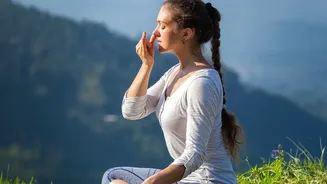
Here is the most important distinction for any beginner: breath awareness is not breath control. Many people associate 'breathing exercises' with the yogic tradition of pranayama, which often involves specific techniques to manipulate the breath, such as alternate nostril breathing, specific counts, or, most notably, holding the breath (kumbhaka). These are powerful, advanced practices designed to influence the body's energy. Breath awareness, however, is the foundational step that comes before any of that. It’s the diagnostic tool, not the treatment. Before you can effectively change or regulate your breath, you must first become familiar with its natural, unforced state. Awareness is about listening to your body; control is about directing it.
The Science of Simply Breathing
The benefits of this seemingly simple practice are backed by a growing body of scientific research. When you focus on your breath, you activate the parasympathetic nervous system, also known as the 'rest and digest' system. This sends calming signals throughout your body, helping to lower your heart rate, reduce blood pressure, and decrease levels of the stress hormone cortisol. Regular practice can improve focus and concentration, as you are training your mind to return to a single point of attention. Over time, this enhances emotional regulation, boosts immune function, and can even lead to better sleep.
The Misconception of Holding Breath
So why is holding your breath different, and why should beginners be cautious? Breath retention, or kumbhaka, is an advanced pranayama technique used to build internal energy and prepare the mind for deep states of meditation. However, when practiced incorrectly or without proper guidance, it can be a physiological stressor. Forcing yourself to hold your breath can spike anxiety, cause dizziness, increase blood pressure, and in extreme cases, lead to blackouts from a lack of oxygen. This is the opposite of the calm, centred state that breath awareness aims to cultivate. While breath-holding has its place in specific, guided contexts like freediving or advanced yoga, it is not a starting point for general well-being.
Your First 5-Minute Practice
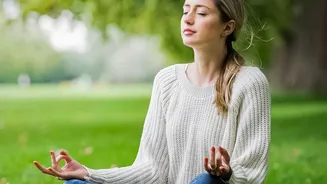
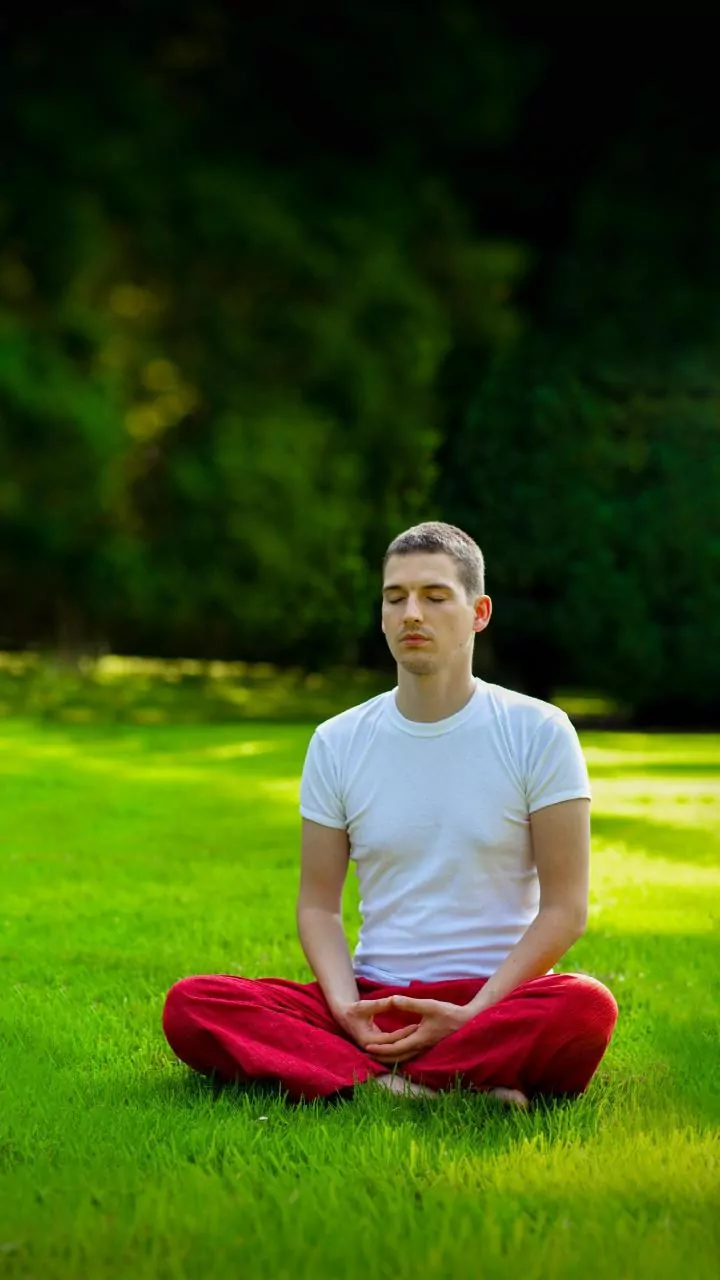
Ready to try? You don’t need special equipment or a lot of time. Find a comfortable position, sitting in a chair with your feet on the floor or lying down. Close your eyes if that feels comfortable. Simply bring your attention to the physical sensation of your breath. You might notice the feeling of air at the tip of your nose, or the gentle rise and fall of your belly or chest. Your mind will wander—that’s completely normal and expected. The practice is not about forcing an empty mind, but about gently noticing when your attention has drifted and kindly guiding it back to your breath, over and over again. Start with just three to five minutes a day.