






Purity: The 24-Carat Advantage of Coins
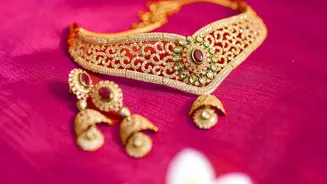
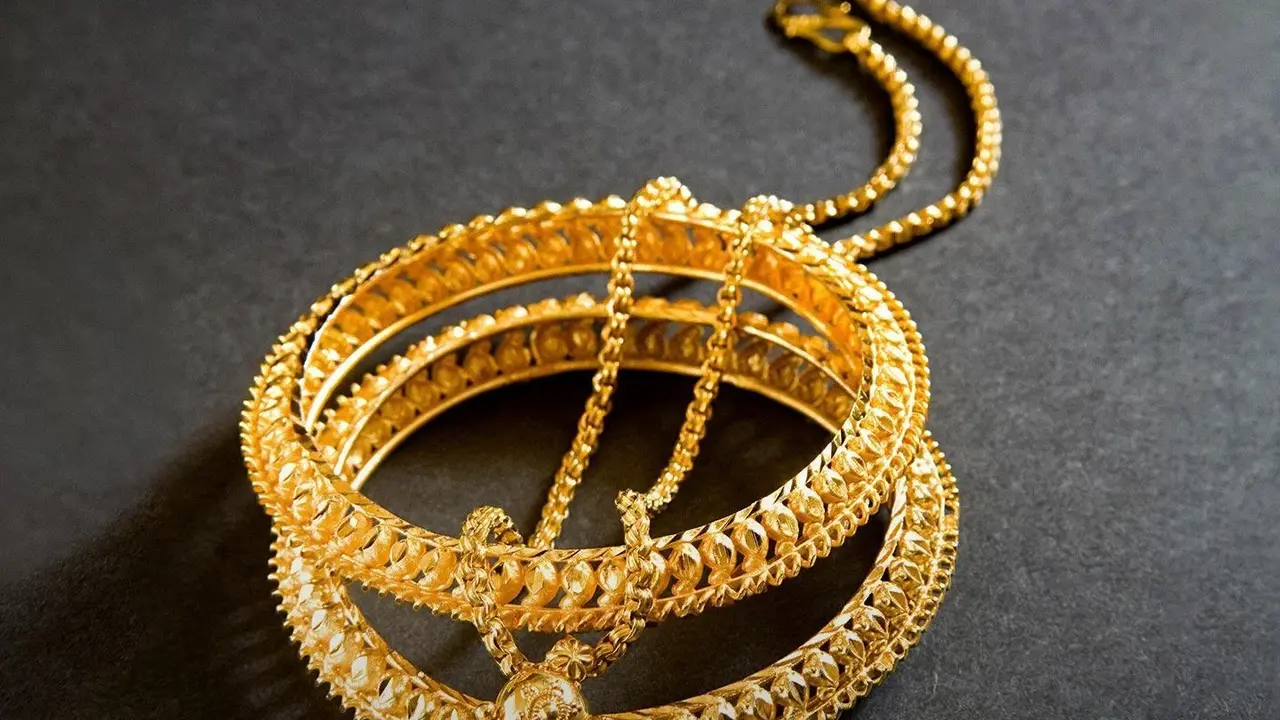
The first major difference lies in purity. Gold coins are almost always minted in 24-carat (24K) gold, which is 99.9% pure. This is gold in its most unadulterated investment form. Jewellery, on the other hand, is typically made from 22-carat (22K) or 18-carat
(18K) gold. This isn't a flaw; it's a necessity. Pure 24K gold is too soft for crafting durable ornaments, so it's mixed with alloys like copper or silver to make it stronger and more suitable for daily wear. While both forms should be BIS Hallmarked to certify their purity, a coin offers a straightforward, higher concentration of gold for the weight you purchase.
The Hidden Cost: Making Charges
Here is where the practical value proposition diverges sharply. When you buy jewellery, you pay for the gold and an additional fee called 'making charges'. This cost covers the craftsmanship, design, and labour involved in creating the piece. These charges can range from 6% to over 25% of the gold's value, depending on how intricate the design is. In contrast, gold coins have minimal 'minting' or 'packing' charges, often just 1% to 4%. This means a significantly larger portion of the money you spend on a coin goes directly towards the value of the gold itself, not the artistry. You are essentially buying more gold for your rupee.
Resale Value: Where Coins Shine Brightest
Practical value is truly tested when it's time to sell. When you sell gold coins, you typically receive a price very close to the day's market rate for 24K gold. The process is transparent and based purely on weight and purity. Selling jewellery is more complex. The substantial making charges you paid at the time of purchase are almost never recovered. A jeweller will value the ornament based only on the net weight and purity of the gold after melting it down, meaning you could lose 10-25% of your initial investment value instantly. This makes coins a far more liquid and efficient asset if your primary goal is financial return.
Taxes: A Mostly Level Playing Field
When it comes to the Goods and Services Tax (GST), the initial purchase for both coins and jewellery is similar. A 3% GST is levied on the value of the gold itself, whether it's in coin or jewellery form. However, for jewellery, there is an additional 5% GST applied to the making charges. While the base tax is the same, the extra tax on jewellery's making charges adds another layer of cost that coin buyers do not have to bear, slightly tipping the scales further in favour of coins from a cost-efficiency standpoint.
Utility and Emotional Return
Finance isn't the only measure of value. The biggest advantage of jewellery is its utility and emotional worth. You can wear it, enjoy it, and pass it down as a family heirloom, creating memories along the way. It serves a dual purpose as both an asset and an accessory. Gold coins, while efficient as an investment, offer no such utility. They are meant to be stored securely in a locker, serving a purely financial role. Their value is on a balance sheet, not in lived experience. This emotional and cultural return is a significant part of jewellery's 'practical value' that cannot be ignored.