







A Global Appetite for Indian Flavours
The global presence of Indian food is nothing new, but the players are changing. For decades, the narrative was dominated by family-run restaurants. Now, organised Indian food chains are planting their flags in major international cities. Brands like
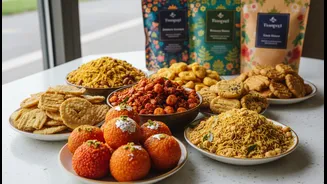
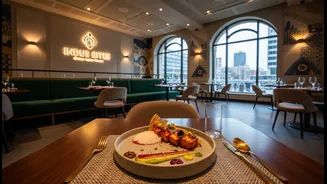
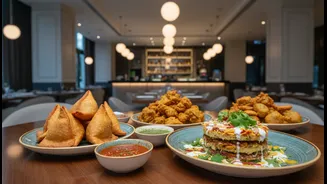
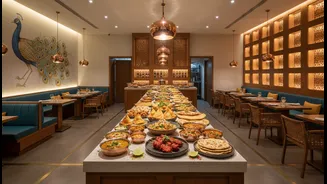
Haldiram's, Bikanervala, and Saravanaa Bhavan are leading a new wave of culinary expansion. Haldiram's, which started as a small shop in 1937, now has a presence in over 80 countries, recently opening a 120-seat restaurant in London's Leicester Square. Similarly, the South Indian vegetarian chain Saravanaa Bhavan boasts 81 outlets in 25 countries, from North America to Australia. This growth isn't just about selling snacks; it’s about establishing Indian brands as global contenders, backed by sophisticated supply chains and strategic investments.
Serving Home Comforts and Cultural Diplomacy
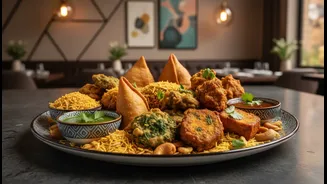
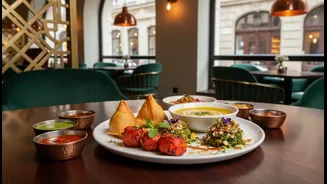
For the vast Indian diaspora, these chains are more than just eateries; they are a taste of home. They offer a sense of comfort and connection to their roots, serving authentic dishes that were previously unavailable. But their role extends beyond the diaspora. For non-Indian customers, these restaurants act as accessible gateways to India's diverse culinary landscape. They present Indian food—from street food to regional specialities—in a standardized, hygienic, and welcoming environment, breaking down cultural barriers one meal at a time. This process is a powerful form of "soft power" or "culinary diplomacy," where food is used to foster cross-cultural understanding and build a positive national image. Every biryani or masala dosa sold becomes a subtle act of cultural ambassadorship.
The Strategy Behind the Spice
This global push is not accidental; it is a calculated business strategy. Many chains follow a playbook that begins with targeting markets with a large Indian population, such as the UAE, UK, US, and Canada. They often employ a franchise model, partnering with local operators who understand the regional market, real estate, and regulations. This approach allows for rapid expansion with reduced capital risk. For instance, Haldiram's recent expansion into Europe is backed by investment from Singapore's state investor, Temasek, signalling strong investor confidence in the sector. These brands have professionalised their operations, upgrading hygiene and service standards to compete with international quick-service restaurant (QSR) giants.
Authenticity with a Side of Adaptation
A key challenge in global expansion is balancing authenticity with local tastes. While some chains succeed by sticking to their original recipes, others make subtle adaptations. This might involve adjusting spice levels or introducing fusion items that combine Indian flavours with local ingredients. For example, a fish head curry in Singapore is a popular fusion of Indian and local cuisine. However, the core identity of the food remains intact. The goal is not to dilute the cuisine but to make it more approachable. This glocalization—reflecting local culture while maintaining an original identity—has been crucial. Brands like MTR Foods paved the way by meeting stringent global food safety standards early on, building trust and making their products a staple in kitchens worldwide.