



The Tyranny of the Desktop Trinket
The modern office desk is often a graveyard of good intentions. It’s where forgotten souvenirs, branded freebies, and well-meaning but ultimately useless gadgets go to die. That wobbly-headed figurine, the collection of pens that have run dry, the executive
toy that was fascinating for exactly five minutes—they all share a common trait: they are static. They don’t grow, change, or offer any real engagement beyond their initial novelty. They are passive occupants of valuable real estate, contributing little more than a layer of dust and a faint sense of corporate malaise. These objects are meant to personalise our space, but they often end up as silent, clutter-inducing monuments to monotony. They represent a solved puzzle. Once you have it, the experience is over. There is no unfolding story, just a silent, plastic reminder of a fleeting moment of interest.
A Living, Breathing Alternative
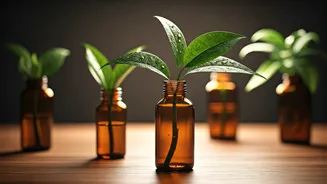
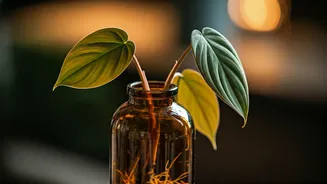
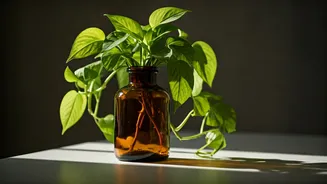
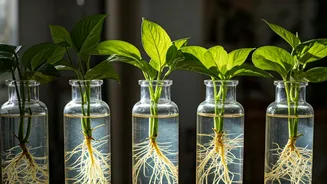
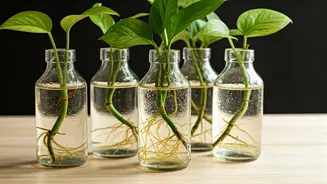
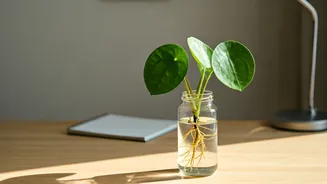
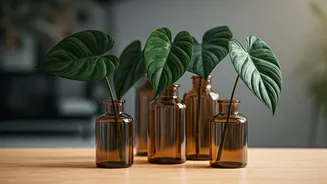
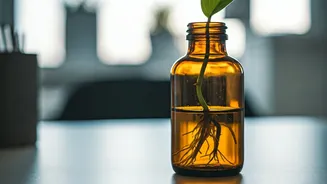
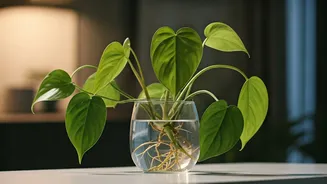
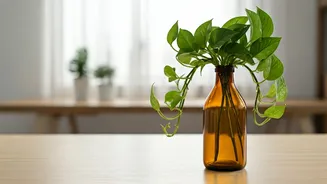
Now, imagine something different. Picture a small, amber glass bottle sitting in a patch of sunlight on your desk. Inside, suspended in clean water, a single plant cutting is doing something remarkable: it's growing. This is water propagation, the simple act of encouraging a piece of a plant to sprout new roots in water. And the amber glass isn’t just for show. While it provides a warm, apothecary-chic aesthetic that complements any decor, its primary function is practical. The dark glass filters out some of the harsh light, mimicking the subterranean environment where roots naturally thrive. This can help prevent algae growth in the water and provides a gentler environment for delicate new roots to form. It turns a simple science experiment into a piece of living art, an accessory that is both beautiful and functional.
Why It’s Better Than a Stress Ball
The superiority of a propagation station lies in its dynamic nature. A stress ball offers a moment of physical release, but watching a root system develop offers a prolonged sense of peace and accomplishment. It’s a micro-dose of nature, a connection to the organic world in a space often dominated by plastic and pixels. Studies on biophilia—our innate tendency to connect with nature—show that even small elements of greenery can reduce stress, improve focus, and boost mood. Unlike a static photo, a propagating plant is a story unfolding in slow motion. Each day brings tiny, almost imperceptible changes. A new root tendril, a hint of a new leaf bud. Checking on your cutting becomes a small, mindful ritual, a welcome pause from the relentless scroll of emails and notifications. It’s an investment in a process, not just the ownership of an object.
Your Simple Starter Guide
Getting started is laughably easy, even if you believe you have a “black thumb.” You don't need a sprawling garden or expensive equipment. All you need is a clean glass bottle (amber is ideal, but any jar will do), some water, and a cutting from a suitable plant. Many of the most resilient and beloved houseplants are perfect candidates. Look for plants with visible nodes along the stem—these are the little bumps where new roots and leaves emerge.
Here are some of the easiest plants to start with:
* **Pothos (Epipremnum aureum):** The undisputed champion of easy propagation. It's forgiving, fast-rooting, and looks beautiful trailing from a bottle.
* **Philodendron:** Similar to Pothos, with heart-shaped leaves and a vigorous will to live.
* **Spider Plant (Chlorophytum comosum):** These plants do the work for you, producing little “pups” or plantlets that are ready to be snipped off and rooted.
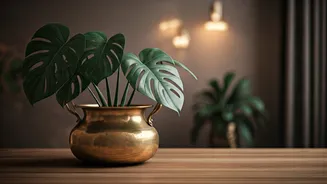
* **Monstera Deliciosa:** For a more dramatic look, a cutting from this trendy plant will eventually grow large, impressive roots.
Simply take a cutting with at least one leaf and a node, place it in your bottle of room-temperature water, and set it in a spot with bright, indirect light. Change the water once a week to keep it fresh and oxygenated.
The Reward: A Desk with a Story
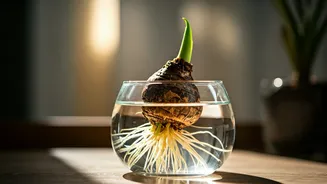
In a few weeks, you will see it: the miraculous appearance of white roots stretching out into the water. It’s a genuinely rewarding moment. You’ve successfully cultivated new life. Your desk is no longer just a workspace; it’s a nursery. That single bottle can become two, then three. You can trade cuttings with colleagues, turning a solitary hobby into a shared office experience. Eventually, you can pot your rooted cuttings in soil, creating whole new plants for your home or to give away. Your desk accessory hasn't just sat there; it has created something new. It’s a conversation starter, a source of quiet pride, and a constant, gentle reminder that even in the most sterile environments, life, growth, and beauty can find a way to flourish.