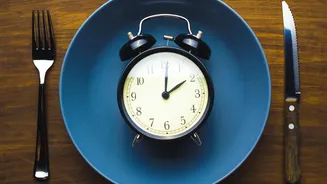








Your Body Runs on a Schedule
At the heart of this connection is your circadian rhythm, the body's internal 24-hour clock that governs everything from hormone release to body temperature. This master clock, located in the brain, is primarily synced by light, but other organs have
their own 'peripheral clocks'. Your liver, pancreas, and gut, for instance, are strongly influenced by meal timing. This field of science, known as chrononutrition, explores how aligning food intake with these natural rhythms can optimize health. Essentially, your digestive system is primed for peak performance during the day and expects to rest at night, just like the rest of your body.
The Problem with Late, Heavy Dinners
Eating a large meal close to bedtime throws a wrench into your body's nightly repair schedule. When you should be winding down, your digestive system is forced to work overtime. This process generates heat, known as diet-induced thermogenesis, which can raise your core body temperature. This is problematic because a slight drop in body temperature is a key signal for your body to initiate sleep. Furthermore, late-night eating, especially meals high in fat or sugar, can lead to indigestion, acid reflux, and blood sugar spikes that disrupt sleep architecture. Studies show that eating within three hours of bedtime is associated with more nighttime awakenings and poorer sleep quality.
Front-Loading Calories for Better Rest
The alternative is to shift your largest meal to midday. By consuming the bulk of your calories during a heavy lunch, you are fuelling your body when your metabolism and digestive systems are most efficient. This approach is often called 'front-loading' calories. It provides your body with ample time to digest and process nutrients long before your head hits the pillow. With the heavy lifting of digestion completed hours earlier, your body can enter a more profound state of rest at night. This alignment reduces the physiological stress that a late dinner places on your system, setting the stage for a smoother transition to sleep.
Unlocking Deeper, More Restorative Sleep
The ultimate prize in this schedule shift is an increase in deep sleep. Also known as slow-wave sleep, this is the most physically restorative phase of your nightly cycle. It is when your body repairs tissues, strengthens the immune system, and consolidates memories. Research indicates that late-night eating can significantly reduce the amount of time spent in this critical stage. By finishing your eating hours before bed, you free up metabolic resources. Instead of diverting energy to digestion, your body can fully dedicate itself to the crucial repair and recovery work that happens during deep sleep, leaving you feeling more refreshed and revitalized in the morning.
Making the Shift: Practical First Steps
Transitioning your eating schedule doesn't have to be an overnight overhaul. Start by gradually making your dinner portion smaller and your lunch portion larger. Aim to finish your last meal at least three hours before you plan to go to sleep. If you're used to a substantial dinner, focus on lighter evening meals rich in protein and fibre but lower in fats and simple carbs, which are easier to digest. Think grilled fish with steamed vegetables or a hearty lentil soup. Consistency is key; eating at roughly the same times each day helps to regulate your body's internal clocks, further enhancing both metabolic health and sleep quality.