







What Is a 'Smart Kitchen,' Anyway?
A smart kitchen isn't about turning your home into a science fiction set. At its core, it's simply a kitchen where appliances are connected to the internet and to each other. This connectivity, usually through Wi-Fi or Bluetooth, allows you to monitor
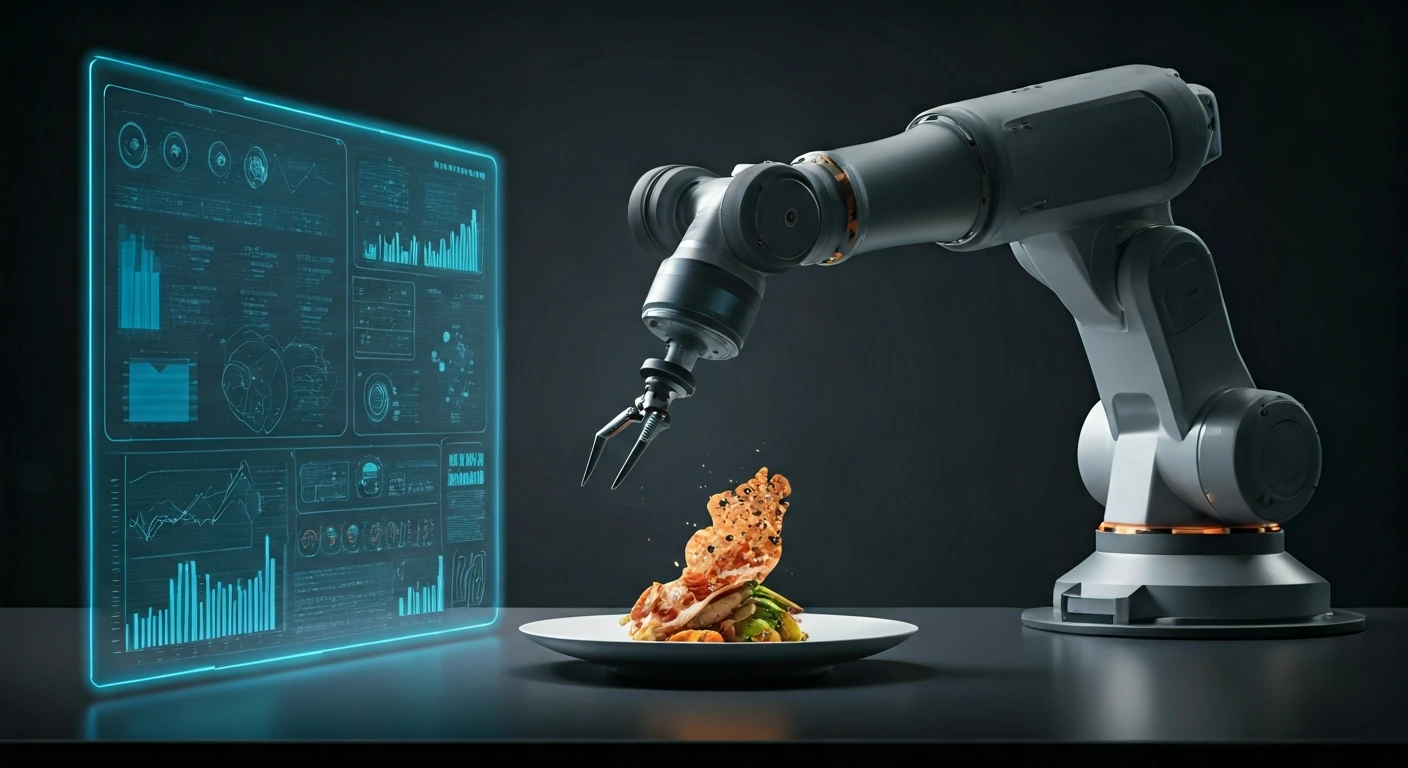
and control them remotely using a smartphone app or voice assistants like Alexa or Google Assistant. Think of it less as a single, futuristic concept and more as an ecosystem of individual devices designed to make daily tasks more convenient and efficient. The goal isn't to replace the cook, but to act as a helpful assistant, automating routine tasks and providing more precise control over the cooking process.
The Practical Perks for Food Lovers
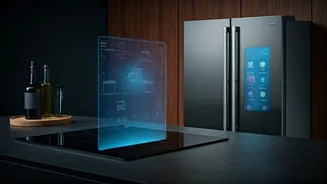
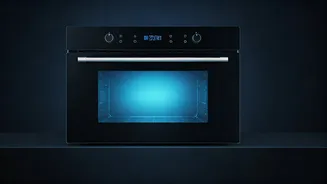
For a foodie, the real question is: will it make my food better? In many cases, the answer is yes. Smart ovens, for example, offer incredibly precise temperature control, guided cooking programs, and sensors that can automatically adjust settings for perfect results. This means more consistent bakes and roasts. You can preheat your oven on the way home from work so it's ready the moment you are. Smart refrigerators with internal cameras let you check if you're out of milk while you're at the grocery store, reducing food waste. Some can even suggest recipes based on the ingredients you have on hand. Ultimately, these features are about saving time, improving precision, and helping you focus on the creative parts of cooking you enjoy most.
Key Gadgets and What They Do
You don't need to upgrade your entire kitchen at once. Many people start with one or two key appliances. Smart Ovens: These are often the star players. Beyond remote preheating, they can feature AI that recognizes food and suggests the ideal cooking cycle, or send a notification to your phone when your meal is perfectly cooked. Smart Refrigerators: These are your food management centres. Internal cameras, inventory tracking, and touchscreen displays that act as a family hub are common features. They can help you track expiration dates and cut down on waste. Smaller Smart Gadgets: This is an easy entry point. A smart meat thermometer gives you perfect doneness every time without opening the oven door. Smart scales can help with precise measurements for baking and can even calculate nutritional information. Even compact air fryers and multi-cookers now come with smart features.
The Not-So-Smart Side of Things
Of course, it's not all seamless perfection. The biggest barrier for most is the high initial cost; smart appliances carry a premium price tag. There's also the learning curve of navigating new apps and features. A heavy reliance on a stable Wi-Fi connection is another factor—if your internet goes down, your 'smart' oven can become surprisingly basic. There are also valid concerns about data privacy and the potential for software to become outdated, as technology evolves rapidly. Finally, the more complex the appliance, with its sensors and software, the more potential points of failure, which could lead to more complicated and costly repairs.