





What is Fibre-First Eating?
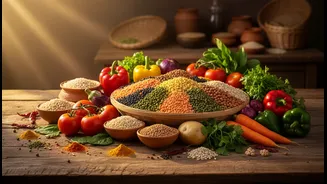
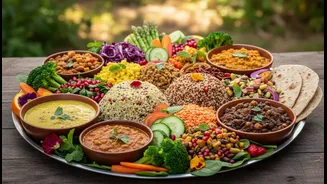
A 'fibre-first' approach doesn’t mean you have to eat bland, unfamiliar foods. It’s a strategy for building your meals around fibre-rich whole foods that are already staples in many Indian kitchens. This means making sure that vegetables, lentils, legumes,
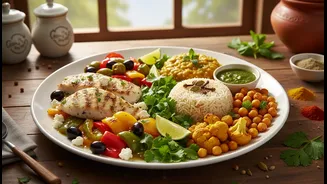
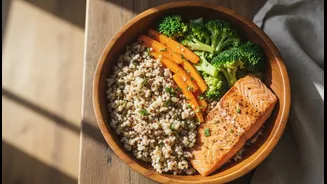
and whole grains are the foundation of your plate, not just a side-note. The idea is to prioritise these components, perhaps by eating a salad or vegetable dish at the beginning of your meal or ensuring your plate has a larger portion of sabzi and dal compared to rice or roti. This simple sequencing can slow down digestion and help your body manage the meal more effectively.
The Science of Staying Power
The “staying power” from a high-fibre meal is rooted in science. Fibre, particularly the soluble kind found in foods like oats, beans, and many vegetables, slows down the rate at which your stomach empties. This process not only makes you feel fuller for a longer period but also helps prevent sharp spikes in blood sugar that can follow a carbohydrate-heavy meal. By slowing the absorption of sugar, fibre helps maintain more stable energy levels, reducing the likelihood of a post-meal slump and subsequent cravings for unhealthy snacks. This makes it a powerful tool for anyone looking to manage their appetite and energy throughout the day.
Unlocking Greater Variety in Your Diet
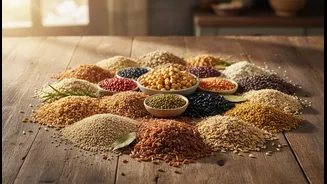
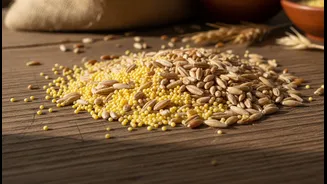
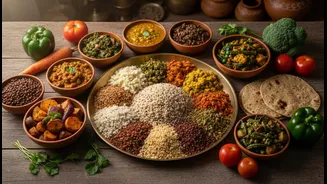
Contrary to what some may think, focusing on fibre doesn’t limit your food choices; it expands them. The Indian culinary landscape is incredibly rich in high-fibre ingredients. Adopting a fibre-first mindset encourages you to explore beyond the usual staples. You might find yourself rediscovering a variety of seasonal vegetables like bhindi, lauki, and leafy greens. It’s also an invitation to embrace the diversity of India’s grains. Instead of relying solely on polished white rice and refined wheat, you can incorporate millets like jowar, bajra, and ragi, which are packed with fibre and nutrients. This shift naturally brings more colours, textures, and nutrients to your daily thali.
Simple Swaps for a Fibre-Rich Thali
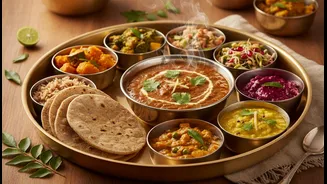
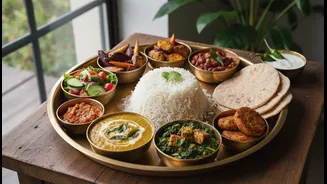
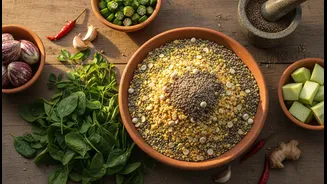
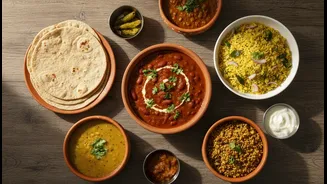
Integrating more fibre into your meals doesn't require a complete overhaul. Small, consistent swaps can make a big impact. Start by replacing refined grains with their whole counterparts—think brown rice instead of white, or rotis made from jowar, bajra, or whole-wheat atta instead of maida. Make it a rule to fill at least half your plate with vegetables, both cooked and raw in the form of a simple kachumber salad. Ensure that every main meal includes a generous portion of dal, chana, or rajma, as these are excellent sources of both fibre and protein. Even snacking can be an opportunity: swap processed biscuits for a handful of roasted chana, peanuts, or fresh fruit.
A Sample Fibre-First Day
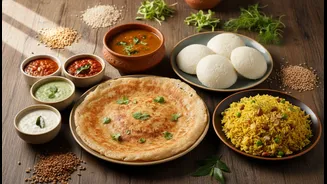
So, what does this look like in practice? For breakfast, you could have poha loaded with peas and peanuts, or a mixed-dal cheela with vegetables. Lunch might consist of a couple of bajra rotis, a large bowl of seasonal sabzi, a katori of masoor dal, and a side salad. An evening snack could be a piece of fruit like an apple or guava, both of which are high in fibre. For dinner, a vegetable and dal khichdi made with millets or brown rice, served with a side of curd, offers a comforting, balanced, and fibre-rich end to the day. Remember to drink plenty of water, as fibre needs hydration to work effectively.