




Why Soaking Is Not an Optional Step
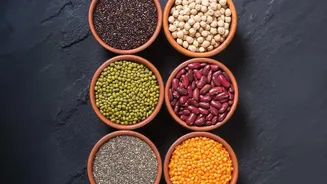
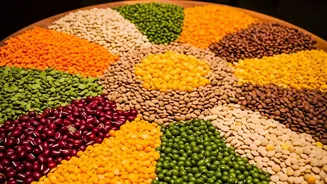
We’ve all been there: a pot of rajma that refuses to soften or a chana curry where some chickpeas are firm and others have turned to mush. The secret to avoiding this culinary frustration lies in proper soaking. Dried pulses are essentially sleeping seeds.
Soaking rehydrates them, which is the first step towards an even cook. More importantly, it helps break down complex sugars called oligosaccharides, which are notorious for causing bloating and digestive discomfort. Soaking also helps to reduce phytic acid, an anti-nutrient that can inhibit the absorption of minerals like iron and zinc. By discarding the soaking water, you are getting rid of these undesirable compounds, making the pulses easier on your stomach and more nutritious. Finally, a good soak significantly cuts down on cooking time, saving both fuel and effort in the kitchen.
The Heavyweights: Rajma and Chana
Large, thick-skinned pulses like kidney beans (rajma) and chickpeas (chana) demand the most patience. Their dense structure and protective coats mean water needs more time to penetrate to the core. For these varieties, a long, cold soak of 8 to 12 hours, or overnight, is non-negotiable. This slow, gradual hydration ensures the entire bean softens uniformly from the outside in. Rushing this process is a recipe for beans that have a cooked exterior but a disappointingly hard, chalky centre. Always use a large bowl with plenty of water, as the beans will nearly double in size. If you forget to soak overnight, a 'hot soak' can work in a pinch: boil the beans for 2-3 minutes, then cover and let them stand for at least an hour before cooking. While not quite as effective as a long soak, it's a great save for a last-minute meal plan.
The Middle Ground: Toor, Urad, and Moong Dal
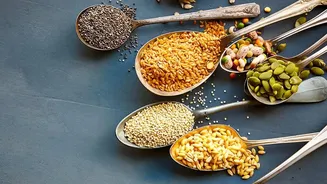
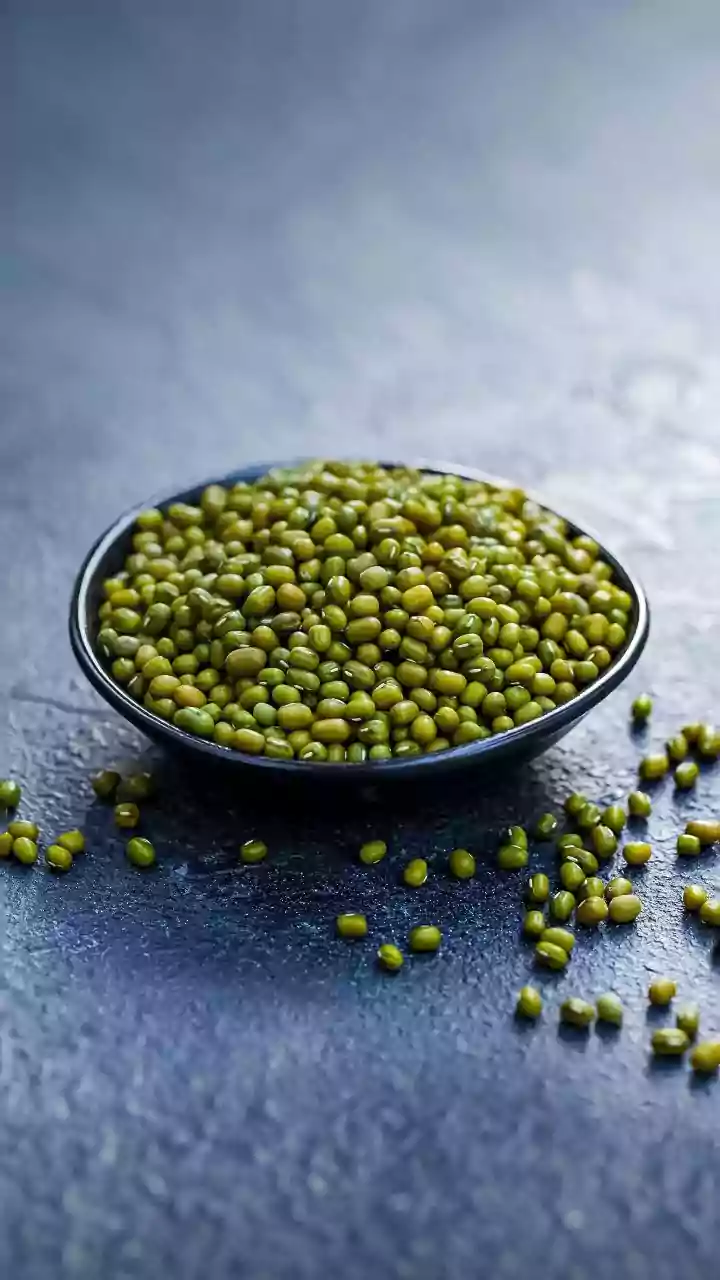
Split pulses, like toor (arhar), urad, and moong dal, are more forgiving. Since they are already split and often have their skins removed, water has a much easier time getting in. For these everyday dals, a soak of 30 minutes to 2 hours is generally sufficient. A short soak still offers the benefits of easier digestion and quicker cooking without the need for overnight planning. Some cooks even find that 20-30 minutes in warm tap water is enough to take the edge off and ensure a creamy, consistent result. Whole versions of these lentils, such as whole moong or whole urad, will benefit from a longer soak, closer to 4-6 hours, as their skins are still intact.
The Quick-Cook Rebels: Masoor Dal
Not all pulses require soaking. Red lentils (masoor dal) and some varieties of split yellow moong dal are so small and delicate that they cook very quickly on their own, typically within 15-20 minutes. Soaking these can actually be counterproductive, as they may turn to complete mush before you're ready. For these dals, a simple rinse under running water to remove any dust or debris is all the prep you need before they hit the pot. This makes them perfect for those nights when you need a comforting bowl of dal without any advance planning.
To Salt or Not to Salt the Soak?
An old kitchen myth warns that adding salt to the soaking water will make beans tough. Modern science and culinary experts have debunked this. In reality, adding a little salt to the soaking water (a process called brining) can result in a creamier texture and more seasoned bean. The salt helps to soften the skins and prevents the beans from bursting during cooking. Similarly, a pinch of baking soda can be added to the soaking water. The alkaline environment it creates helps break down pectin in the beans, softening them much faster and significantly reducing cooking time. This trick is especially useful if you have older beans or live in an area with hard water, which can prevent beans from softening properly. Experiment to see what works best for you; just remember to discard the soaking water and rinse the pulses well before cooking.