






The Pride of the Blue Mountains
Hailing from the Nilgiri hills, or 'Blue Mountains', in Southern India, Nilgiri tea is a regional treasure. Grown at high altitudes, often surrounded by eucalyptus trees, the tea leaves develop a unique character. Unlike the bolder, more malty Assam or the delicate,
musky Darjeeling, Nilgiri tea is celebrated for its bright, brisk, and fragrant profile. It has a naturally balanced flavour with subtle fruity and floral notes, making it incredibly smooth on the palate. Crucially for cold brewing, Nilgiri tea is low in tannins, the compounds that can cause bitterness. This quality ensures that even after a long steep, the resulting brew remains clean and clear, never cloudy or harsh.
The Art of the Slow Brew
Cold brewing is a fundamentally different process from making traditional iced tea. Instead of brewing tea leaves in hot water and then cooling it down, cold brewing involves steeping the leaves directly in cold water for an extended period. This slow, gentle infusion, typically lasting between 8 to 12 hours in the refrigerator, works magic on the tea's chemical composition. Hot water extracts compounds aggressively, pulling out everything at once, including caffeine and bitter tannins. Cold water, by contrast, is a more patient extractor. It coaxes out the smoother, sweeter flavour notes while leaving many of the harsher, more acidic elements behind. The result is a beverage that is exceptionally smooth, clean-tasting, and often perceived as naturally sweeter.
A Healthier, Low-Sugar Sip
The primary health benefit of cold brewing Nilgiri tea lies in its naturally low need for added sugar. Because the cold extraction process minimises bitterness, many people find they don’t need to add any sweetener at all. This makes it an excellent alternative to sugar-laden soft drinks. Furthermore, the process has other wellness advantages. Cold water extracts less caffeine than hot water, resulting in a drink with a gentler, more sustained energy boost without the jitters associated with coffee or strongly brewed hot tea. While both hot and cold brewing methods retain antioxidants, some studies suggest that the slower, gentler cold brew process may better preserve certain delicate compounds like polyphenols. Cold brew tea is also generally less acidic, making it easier on the stomach for some individuals.
Your Simple Home-Brewing Guide
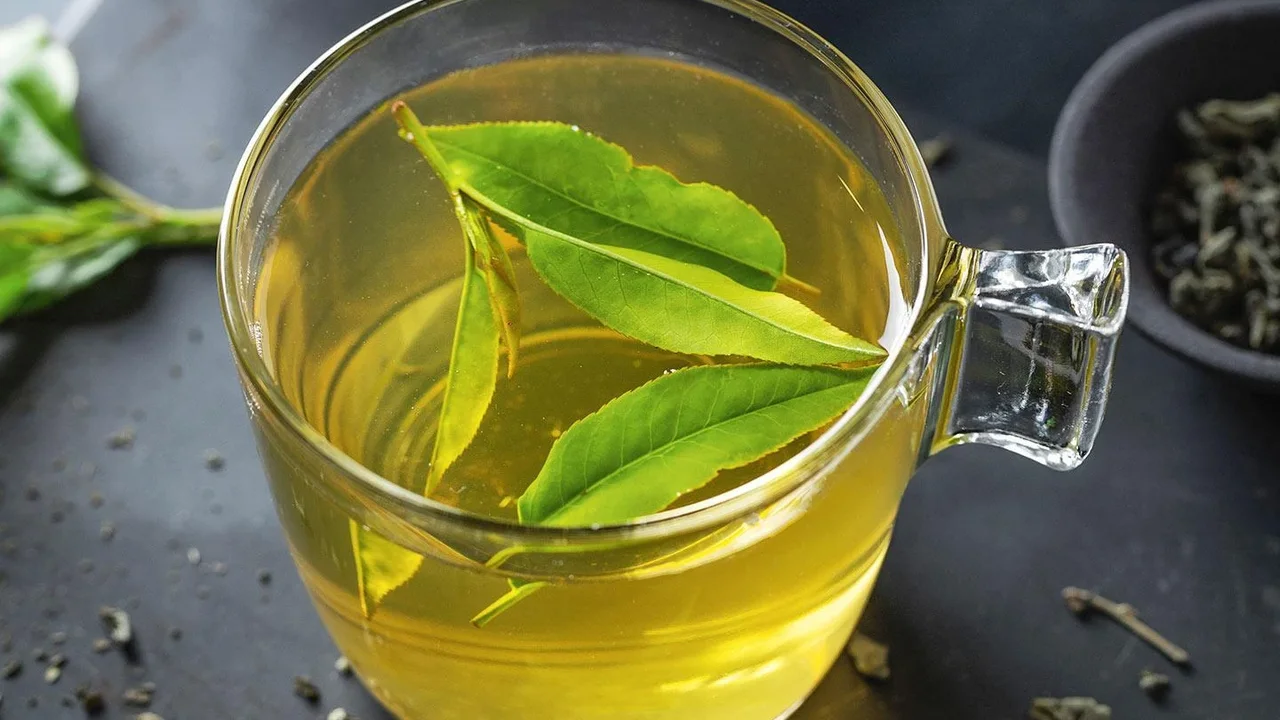
Making your own cold-brewed Nilgiri tea is incredibly simple and requires no special equipment. All you need is a large jar or pitcher, loose-leaf Nilgiri tea, and cold, filtered water. Start with a ratio of about 1 to 2 teaspoons of tea leaves for every cup (approximately 200-250 ml) of water. Place the tea leaves in your container, pour the cold water over them, and give it a gentle stir. Cover the container and place it in the refrigerator to steep for 8 to 12 hours; leaving it overnight is often the easiest method. In the morning, simply strain the leaves out using a fine-mesh sieve. Your refreshing, smooth cold brew is ready to drink and will keep in the fridge for up to three days.
Making It Your Own
While cold-brewed Nilgiri tea is delicious on its own, its smooth and clean profile makes it a perfect canvas for natural flavour infusions. This allows you to create a wide variety of sophisticated drinks without resorting to sugary syrups. Before steeping, consider adding a few simple ingredients to the pitcher. Slices of lemon or orange, a handful of fresh mint leaves, or a few slices of fresh ginger can add a wonderful aromatic dimension. Berries, slices of peach, or cucumber ribbons also work beautifully. For a spiced twist, try adding a cinnamon stick or a few bruised cardamom pods. These additions will infuse their flavours subtly during the long, cold steep, creating a complex and refreshing beverage that is entirely your own.