

Identify Your Power Staples
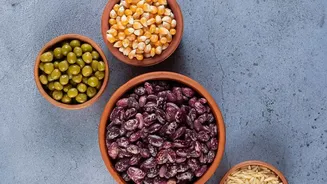
A smart, waste-free kitchen begins with identifying your 'power staples'. These are the versatile workhorses of Indian cooking that can form the base of countless meals. Think beyond just salt and oil. Your core group should include the foundational trio
of onions, tomatoes, and ginger-garlic paste, which starts so many curries. Potatoes, for example, are incredibly adaptable. Lentils (like toor or masoor dal) and rice are other obvious essentials. By consciously stocking these items, you're not just filling your pantry; you're creating a flexible system. The goal is to buy ingredients that can serve multiple purposes. Before you shop, take a quick inventory of what you already have. Meal planning around your existing staples is a proven way to reduce impulse buys and prevent food waste.
Master Different Cooking Methods
The secret to making one ingredient feel like many is to vary your cooking technique. This is how you avoid the dreaded feeling of eating the same thing all week. Take the humble cauliflower. On Monday, it can be roasted with spices for a dry sabzi. On Wednesday, its stems and leaves can be finely chopped and cooked with potatoes. By the weekend, florets can be added to a vegetable pulao or blended into a creamy soup. The same principle applies to almost any vegetable. A potato can be boiled and mashed for a paratha filling, stir-fried with cumin for aloo jeera, or cubed and simmered in a tomato-based gravy. Altering the method from frying to boiling to roasting completely changes the texture and profile of the ingredient, making each meal feel distinct.
Think in Components, Not Just Meals
Instead of planning five completely separate dinners, think about prepping versatile components that can be assembled in different ways. For instance, boil a larger batch of chickpeas or kidney beans at the start of the week. One night, they can be the star of a traditional chana masala. The next day, a portion can be mashed with spices to create patties for homemade burgers or tikkis. Leftover dal can be transformed by adding different elements. A simple dal fry can become sambar with the addition of tamarind and vegetables, or dal dhokli with some wheat flour dumplings. Even leftover rice is a blank canvas; it can be quickly turned into lemon rice, tamarind rice, or a vegetable fried rice for a quick lunch.
The Art of Reinventing Leftovers
Creative use of leftovers is a cornerstone of sustainable Indian cooking. Yesterday’s dry sabzi doesn't have to be just reheated. It can become a delicious and hearty filling for a masala dosa or a grilled sandwich. You can also mash the vegetables, bind them with some gram flour (besan), and pan-fry them as cutlets or vegetable fritters. Leftover rotis can be torn into pieces and stir-fried with spices to make a savoury 'kothu roti' or crumbled to create a base for a quick upma-style dish. This philosophy extends beyond main dishes. Vegetable scraps like carrot tops, cauliflower stems, and onion ends can be simmered to create a flavourful vegetable stock for your next soup, dal, or biryani, ensuring nothing goes to waste.