







Invest in a Quality Dry Bag
The first and most crucial line of defence is a reliable dry bag. Unlike regular backpacks that are merely water-resistant, a true dry bag is designed to be completely waterproof, even when briefly submerged. Look for bags made from materials like PVC-laminated
polyester or TPU, which offer excellent protection. Brands like Decathlon offer ITIWIT dry bags that are popular for their durability and affordability, making them a great choice for monsoon treks or beach trips. These bags use a roll-top closure system that creates a watertight seal, ensuring that everything inside, from your laptop to your chargers, stays perfectly dry even in a torrential downpour.
The Humble Zip-Lock Pouch
Never underestimate the power of a simple zip-lock bag. For a few rupees, these create an effective, disposable barrier against light rain and splashes. They are perfect for smaller items like your phone, power bank, and charging cables. You can often even use your phone's touchscreen through the plastic, making it a convenient solution for a quick navigation check in the rain. For added security, consider double-bagging your most valuable items. While not as robust as a dedicated dry bag, having a few zip-lock pouches in your backpack is a smart, budget-friendly hack for any traveller.
Combat Humidity with Silica Gel
Water damage isn't just about direct splashes; high humidity during the monsoon can be a silent killer for electronics. Moisture in the air can condense inside your devices, leading to corrosion and malfunction over time. A simple way to combat this is by using silica gel packets. You know, those little packets you find in new shoe boxes or bags? Don't throw them away. Instead, toss a few into your electronics bag or camera case. They are excellent at absorbing excess moisture from the surrounding air, keeping your gear dry from the inside out. This is especially important for expensive camera lenses, which are prone to developing fungus in damp conditions.
Choose a Genuinely Waterproof Backpack
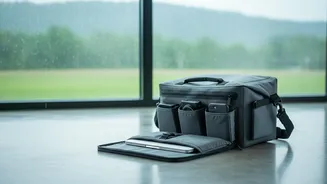
Many backpacks are marketed as 'water-resistant', which might only protect against a light drizzle. For monsoon travel, you need something more robust. When choosing a backpack, pay attention to the material and construction. Look for bags with waterproof linings and sealed zippers. Brands often use materials like coated nylon or polyester to offer better protection. A bag with a dedicated, padded laptop compartment provides not just water protection but also a buffer against bumps and shocks during transit. Some modern backpacks even come with an integrated rain cover that can be quickly deployed when the skies open up.
Emergency Plan: What To Do If a Gadget Gets Wet
Despite all precautions, accidents happen. If your phone or other device gets wet, acting fast is crucial. First, immediately power it off. Do not try to check if it's working or plug it in, as this can cause a short circuit. Next, remove any accessories like the case, SIM card, and memory card. Gently pat the exterior dry with a soft cloth; avoid shaking it vigorously, which can push water deeper inside. Stand the device upright with the port facing down to let gravity help drain any water. Contrary to popular belief, do not put it in a bag of uncooked rice, as small particles can get into the ports and cause more damage. Instead, place it in an airtight container with silica gel packets or let it air dry in a well-ventilated area for at least 24-48 hours before attempting to turn it back on.
Mind Your Chargers and Power Banks
It's easy to focus on phones and laptops, but your charging accessories also need protection. A wet power bank can be a fire hazard, and a charging cable with moisture in its connector can damage your device's port. Keep all cables neatly coiled and stored in a waterproof pouch. During thunderstorms, power surges are common, so it's wise to unplug your devices from wall sockets. Using a good quality surge protector is also a sensible precaution if you're charging electronics during stormy weather. Always inspect the ports on your power bank and cables for any signs of moisture before plugging them in.