







If a Deal Seems Too Good, It Is
Scammers thrive on the 'too good to be true' offer. During the festive rush, when demand for train and flight tickets skyrockets, confirmed seats are a valuable commodity. A legitimate agent is unlikely to offer a confirmed ticket at a significant discount;
in fact, prices often inflate. Be extremely wary of agents or websites offering last-minute confirmed tickets on popular routes for unusually low prices. Fraudsters use these bargain deals, often seen on social media or lookalike websites, to lure you in, take your money, and disappear. Remember the basic economics of supply and demand—if everyone is struggling to find a ticket, a cheap and easy one is a massive red flag.
Verify the Agent's Legitimacy
Before you even discuss tickets, do a background check on the agent or agency. A genuine travel business should have a physical office, a business landline number, and a professional website. Be suspicious of agents who operate exclusively through a mobile number or a social media handle. Check for online reviews, but be critical; a flood of generic, overly positive reviews posted in a short time can be a sign of a scam. Legitimate businesses are registered. Don’t hesitate to ask for their registration details and verify them. If an agent is reluctant to provide credentials or meet in person, walk away.
Insist on Immediate PNR Verification
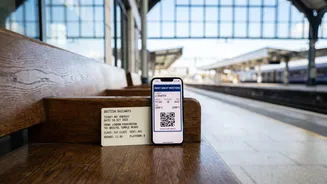
This is the most crucial step. A genuine ticket, whether for a flight or a train, comes with a Passenger Name Record (PNR) number. When a booking is made, this unique code is generated. Do not accept excuses or delays. Ask the agent for the PNR number immediately after they claim to have booked your ticket. Some scammers will send a photoshopped image of a ticket or a fake confirmation email. The only way to be sure is to take that PNR and verify it yourself on the official source. Never consider a booking complete until you have done this.
How to Verify Your Ticket Directly
Once you have the PNR, go directly to the source. For flights, visit the official website of the airline (e.g., airindia.in, goindigo.in) and use their 'Manage Booking' or 'Check PNR' section. You'll typically need the PNR and the last name of the passenger. For train tickets, use the official IRCTC website or app. There are also other trusted apps and services like MakeMyTrip, redRail, and ConfirmTkt that allow you to check your IRCTC PNR status. You can also check via SMS or by calling the railway enquiry number 139. If the PNR is valid, the system will display your travel details. If it doesn't show up, you have been scammed.
Watch Out for Payment Red Flags
How an agent asks for money speaks volumes. A major red flag is a request to transfer funds into a personal bank account or a personal UPI ID. Legitimate businesses operate through official company accounts or secure payment gateways. Scammers prefer methods that are hard to trace and reverse, such as direct bank transfers or cash payments. Paying with a credit card offers the most protection, as banks often have provisions to dispute fraudulent charges. Be wary if an agent discourages card payments or offers a 'special discount' for a direct bank transfer.
Understand Different Ticket Statuses
Especially with train travel, scammers exploit a passenger’s lack of knowledge about ticket types. In the Indian Railways system, there is a major difference between a Confirmed (CNF) ticket, a Reservation Against Cancellation (RAC) ticket (which gives you a seat but not a berth initially), and a Waitlisted (WL) ticket. Scammers may sell you a WL ticket, claiming it is 'as good as confirmed' and will be confirmed 'by the chart'. While waitlisted tickets can get confirmed, there's no guarantee. A fraudulent agent might charge you the price of a confirmed ticket for a worthless waitlisted one.
What to Do If You Are Scammed
If you realize you've been a victim of travel fraud, act quickly. Call the National Cyber Crime Helpline at 1930 immediately, especially if it's a financial fraud, as quick action can sometimes help in freezing the transaction. You should also file a formal complaint on the National Cyber Crime Reporting Portal (cybercrime.gov.in). Gather all evidence, including screenshots of conversations, the agent’s phone number, and transaction details. Reporting the fraud not only helps you but also prevents the scammer from cheating others. You can also report the issue to consumer forums and local police.