



The Sweet and Sour Harmony of Gujarat
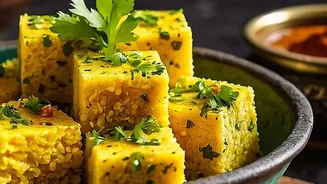
Gujarati cuisine is celebrated for its unique ability to balance sweet, sour, and spicy notes, often in the same dish. This 'khatta-meetha' (sour-sweet) flavour profile is its signature. The secret lies in a few key ingredients that are staples in every
Gujarati kitchen. Jaggery (gud) and sugar provide the sweetness, while tamarind, kokum, and lemon juice lend a gentle tang. This combination is not just reserved for special dishes; it is the soul of everyday cooking. A typical tempering, or 'vaghar', often includes mustard seeds (rai), cumin seeds (jeera), asafoetida (hing), and sometimes sesame seeds, which release a nutty, aromatic flavour when sizzled in hot oil. Understanding this core philosophy is the first step to bringing its magic into your own cooking.
Bringing Gujarati Flavours to Your Table
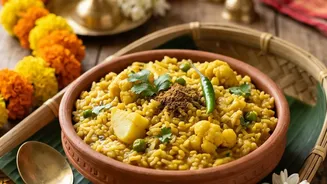
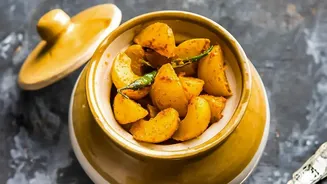
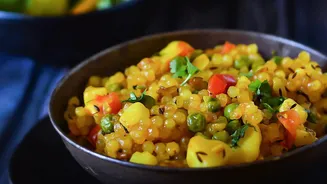
Incorporating these tastes is easier than you think. Elevate your everyday toor dal by adding a small piece of jaggery and a squeeze of lemon juice towards the end of cooking; this creates the classic Gujarati dal. For your vegetable preparations (shaak), especially those with a tomato base like a simple potato or bhindi sabzi, a pinch of sugar can balance the acidity and deepen the flavour. Try a vaghar of rai and sesame seeds over a simple cabbage stir-fry. Even your salads can get a Gujarati twist with a dressing of lemon juice, salt, a little sugar, and a topping of roasted cumin powder. The goal is not to overwhelm but to introduce a gentle, harmonious complexity that makes everyday food more exciting.
The Rustic, Robust Flavours of Rajasthan
Rajasthani cuisine is shaped by its arid climate and warrior past. With a scarcity of fresh vegetables, the food relies heavily on lentils, millets (like bajra), and dairy products like ghee and yogurt. The flavour profile is distinctly robust, earthy, and often spicy. Key spices include fiery red chillies (like the regional Mathania variety), coriander, cumin, and a generous use of dry mango powder (amchur) for tanginess. Ghee is used not just for cooking but as a finishing touch, adding richness and flavour. Another unique aspect is the use of besan (gram flour) to create dumplings like 'gatte' or to thicken curries, showcasing the resourcefulness of the cuisine.
Simple Ways to Infuse Rajasthani Richness
A great starting point is the 'Panchmel Dal', a hearty dish made by combining five different types of lentils. You can easily adapt this at home by mixing whatever dals you have. For a quick and flavourful sabzi when fresh vegetables are sparse, try making 'Papad ki Sabzi', where roasted papads are broken into a spicy, yogurt-based gravy. To add a smoky flavour reminiscent of traditional Rajasthani cooking, you can use the 'Dhungar' technique. Once your dal or sabzi is cooked, place a small steel bowl in the centre, add a piece of red-hot charcoal, pour a drop of ghee over it, and cover the pot for a minute to trap the aromatic smoke. This simple trick adds an incredible depth of flavour.
Mix, Match, and Make It Your Own
The real fun begins when you start experimenting. These regional flavours are not rigid rules but flexible tools. Use a Gujarati-style vaghar with mustard and sesame seeds on a Rajasthani-inspired lentil dish. Add a spoonful of Rajasthani garlic chutney (lehsun ki chutney) to spice up a simple potato sabzi. Try making gatte and adding them to a sweet and tangy Gujarati kadhi instead of the traditional spicy yogurt curry. You can create your own signature masala blend by combining coriander-cumin powder (dhana-jeeru) with a touch of amchur and red chilli powder. These small tweaks can prevent meal fatigue and introduce your family to a wider spectrum of Indian flavours without requiring entirely new recipes.