







The Science of a Sticky Night
Why does a humid 25-degree night feel so much more uncomfortable than a dry 25-degree night? The answer lies in how our bodies cool down. Our primary mechanism for cooling is sweating. As sweat evaporates from our skin, it takes heat with it. However,
when the air is already saturated with moisture — as it is during the high-humidity monsoon season — sweat cannot evaporate efficiently. This leaves you feeling sticky, overheated, and uncomfortable, as your body struggles to lower its core temperature, a process that is essential for initiating and maintaining deep sleep.
How Humidity Hijacks Your Sleep Cycle
High humidity doesn't just make you feel uncomfortable; it actively disrupts the architecture of your sleep. Studies show that a humid environment can increase wakefulness and reduce the time spent in the most restorative stages of sleep: deep sleep (NREM) and REM sleep. These stages are crucial for physical recovery, memory consolidation, and overall health. Furthermore, damp environments are breeding grounds for allergens like mould and dust mites, which can thrive in bedding and trigger allergies, asthma, and other respiratory issues that further fragment your sleep.
Finding the Sweet Spot
So, what’s the ideal indoor environment for sleep? Most experts agree that a relative humidity level between 30% and 50% is the goal. Anything above 60% is generally considered too high for comfort and can lead to the sleep disruptions mentioned earlier. Achieving this balance is key to transforming your restless monsoon nights into truly refreshing sleep. The good news is that you don't necessarily need expensive equipment to get there; a few smart strategies can make a world of difference.
Let the Air Flow
Your first and cheapest line of defence is ventilation. When it’s not actively raining, open windows on opposite sides of your home to create a cross-breeze. This helps move the stale, moist air out and brings fresher, drier air in. Make it a habit to run exhaust fans in your kitchen while cooking and in your bathroom after a shower for at least 20-30 minutes. These are the two biggest sources of indoor humidity, and venting that moisture directly outside prevents it from spreading through your home.
Low-Tech Tricks for a Drier Room
You can tackle dampness with simple household items. Place open bowls of rock salt or activated charcoal in the corners of your room; they are natural desiccants and will absorb moisture from the air. Ensure there is a gap between your furniture and the walls to promote airflow and prevent damp patches where mould can grow. It’s also wise to check for and repair any leaks in windows or walls that could be letting moisture in. During the day, if there's any sun, open your curtains to let the light in, as it helps dry out the space and inhibit mould growth.
Choose Your Bedding Wisely
The fabrics you sleep on and in matter immensely. Switch to lightweight, breathable bedding made from natural materials like cotton, linen, or bamboo. These fabrics are moisture-wicking, meaning they pull sweat away from your body and allow it to evaporate more easily than synthetic fabrics like polyester, which trap heat and moisture. The same logic applies to your sleepwear. Loose-fitting cotton pyjamas will serve you far better than a satin nightgown on a sticky night.
Use Appliances Strategically
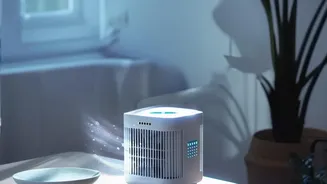
If you have an air conditioner, run it in 'dry' or 'dehumidifier' mode. This function cools the air while also pulling significant amounts of moisture out of it. For those in extremely humid areas, a dedicated dehumidifier is a worthwhile investment. These devices are specifically designed to regulate indoor humidity and can make a dramatic impact on your comfort and sleep quality by preventing the growth of mould and dust mites. If these aren't options, a simple fan can still help by circulating air and creating a cooling evaporative effect on your skin.