







Why This Final Spell of Rain Matters
The Southwest Monsoon, which drenches the subcontinent from June to September, is the lifeline for Indian agriculture. While the heavy rains of June and July are crucial for summer (Kharif) crops like rice and cotton, the rain that falls in September plays
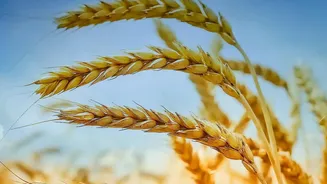
a different but equally vital role. This is the 'departing' or 'retreating' monsoon, and its performance sets the stage for the entire Rabi or winter crop season. Rabi crops, which include staples like wheat, chana (gram), mustard, and barley, are sown from October to December. Unlike their Kharif counterparts, they grow in cooler, drier months and rely heavily on moisture retained in the soil from the late monsoon rains or on water stored in reservoirs.
The Foundation of the Winter Harvest
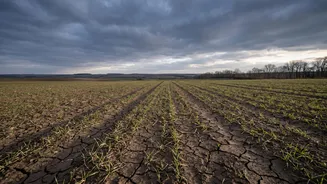
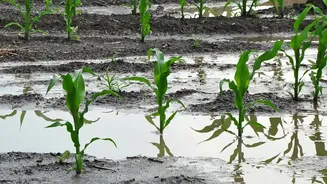
Think of September rains as nature's way of preparing the seedbed for India's winter food supply. Adequate rainfall in this period is essential for two primary reasons. Firstly, it ensures sufficient soil moisture. Farmers, especially in rain-fed regions, depend on this moisture for seeds to germinate successfully and for the young plants to establish strong roots. Without it, sowing can be delayed or result in poor crop establishment, immediately threatening the potential yield. Secondly, these late rains are crucial for refilling the country's major reservoirs. This stored water becomes the primary source of irrigation for Rabi crops during the dry winter months, providing a critical buffer against dry spells and ensuring crops receive water at key growth stages. A good monsoon that finishes strong tops up these reserves, giving farmers the confidence to invest in their winter crops.
From Soil Moisture to Supermarket Prices
The link between September's weather and your household budget is direct. When late monsoon rains are plentiful, farmers are encouraged to undertake large-scale sowing of Rabi crops. This leads to a healthy harvest a few months later, increasing the supply of essential commodities like wheat, pulses, and edible oils in the market. According to basic economics, a robust supply helps keep prices stable and can prevent sharp spikes in food inflation. Conversely, a weak or deficient September rain poses a significant risk. Poor soil moisture can lead to reduced sowing area and lower yields. This directly translates to a smaller harvest, tightening the supply and putting upward pressure on prices for everything from your daily chapati to your cooking oil. This is why government bodies and economists closely monitor the monsoon's performance year after year.
The Outlook for the 2026 Rabi Season
This year, the performance of the monsoon has been a cause for concern. As of mid-September 2026, the country is facing a significant rainfall deficit, with a strengthening El Niño being a key factor. Several meteorological agencies have forecast that September rainfall is likely to be below normal. This situation has raised flags about the upcoming Rabi season, with potential risks for crops due to inadequate soil moisture. Reports indicate that the cumulative rainfall during the June-September period is running well below the long-term average, making this potentially one of the driest monsoons in years. The withdrawal of the monsoon, expected to begin around September 19, leaves little time for these deficits to be erased in many key agricultural states. Experts are now watching closely to see how this impacts sowing decisions and reservoir levels across the country.