

The Green Stage: A Starchy Start
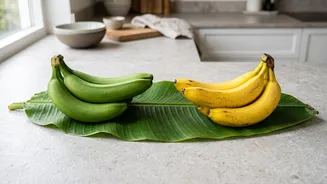
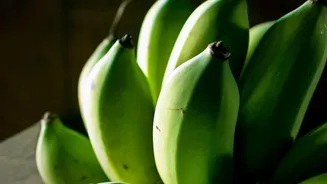
An unripe, green banana is firm, waxy, and not particularly sweet. This is because its carbohydrates are predominantly in the form of resistant starch. Think of resistant starch as a complex carbohydrate that acts more like dietary fibre. Your body doesn't
easily digest it in the small intestine. Instead, it travels to the large intestine where it becomes food for your beneficial gut bacteria. This process has several benefits: it promotes a healthy gut microbiome, increases feelings of fullness, and leads to a slower, more controlled release of sugar into the bloodstream. As a result, green bananas have a low glycemic index (GI) of around 30 to 42, making them a good choice for those managing blood sugar levels. While they contain the same key nutrients like potassium, vitamin B6, and vitamin C as their ripe counterparts, some micronutrients like folate may be slightly higher at this stage.
The Yellow Transformation: The Big Sweetening
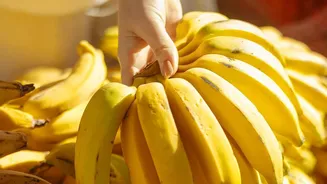
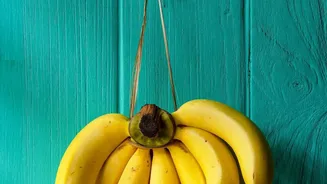
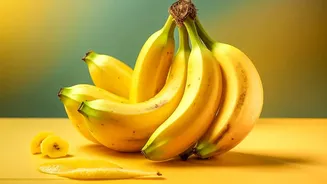
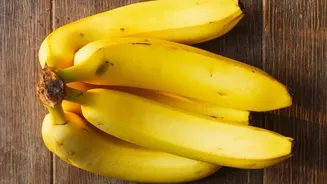
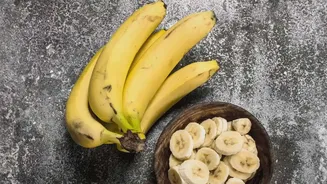
The magic of ripening is orchestrated by a natural plant hormone called ethylene gas. Bananas are 'climacteric' fruits, meaning they continue to ripen after being picked, releasing ethylene in the process. This gas triggers enzymes, like amylase, that begin breaking down the complex resistant starches into simple sugars: sucrose, glucose, and fructose. This is why a yellow banana is noticeably sweeter and softer than a green one. As the starch content drops, the fruit becomes much easier to digest, providing a quick source of energy. A perfectly yellow banana strikes a balance, offering both readily available energy and a good dose of antioxidants and essential vitamins. Its glycemic index rises to a moderate level, typically between 51 and 62, as the sugar content increases.
The Brown-Spotted Stage: Peak Sweetness and Antioxidants
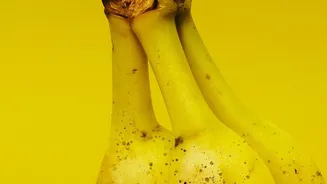
Those brown spots are not a sign of spoilage, but rather an indicator that the banana has reached its peak ripeness and sweetness. At this stage, nearly all the starch has converted into sugar, making the fruit incredibly soft and easy to mash—perfect for baking banana bread or blending into smoothies. While the sugar content is at its highest, something else important is happening. The breakdown of chlorophyll, the pigment that gives the peel its green colour, is linked to a significant increase in antioxidant levels, specifically phenolics and flavonoids. These compounds help protect your body's cells from oxidative stress. A fully brown banana is essentially an antioxidant powerhouse, though some water-soluble vitamins like Vitamin C may have decreased slightly during the ripening process.
Which Banana Is Best For You?
There is no single 'best' banana; the ideal choice depends entirely on your health goals and preferences. If you're focused on gut health and maintaining steady blood sugar levels, the prebiotic-rich, low-GI green banana is an excellent option. They can be added to smoothies or even used in savoury dishes. For a quick and easily digestible energy boost before or after a workout, a classic yellow banana is hard to beat. Its balanced profile of sugars and nutrients makes it a convenient and healthy snack. If you're looking to maximize your antioxidant intake or need a natural sweetener for baking, the soft and sugary brown-spotted banana is your go-to. Each stage of the banana's life offers a different set of benefits, allowing you to choose based on what your body needs.