




Sprinkling a few seeds onto your morning meal has become a popular health hack. Among the top choices are sunflower seeds, celebrated for their nutty flavour and impressive nutritional profile. But there's a catch to these tiny powerhouses.
A Tiny Nutritional Powerhouse
Don't let their
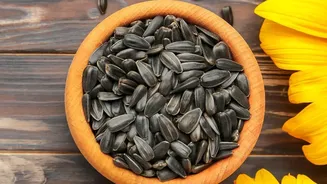
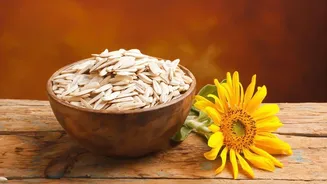
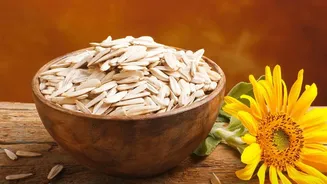
small size fool you; sunflower seeds are packed with an incredible array of nutrients. They are an excellent source of vitamin E, a powerful antioxidant that protects our cells from damage. They also provide significant amounts of magnesium, which is crucial for energy production and blood pressure regulation, and selenium, a mineral that supports immune function and reduces inflammation. Additionally, they offer plant-based protein, healthy unsaturated fats, and dietary fibre, all of which contribute to feeling full and satisfied. This combination of vitamins, minerals, and macronutrients makes them a fantastic addition to a balanced diet, capable of boosting energy and supporting heart health.
Understanding 'Energy-Dense'
The term 'energy-dense' simply means a food contains a high number of calories in a small serving. This is neither inherently good nor bad, but it requires attention. Foods rich in fats, like nuts, seeds, and oils, are naturally energy-dense because fat provides more calories per gram than protein or carbohydrates. A standard one-ounce (about 28 grams, or a quarter-cup) serving of shelled sunflower seeds contains roughly 165-207 calories. While these calories come from healthy fats and other valuable nutrients, they can add up very quickly if you're not mindful of how much you're eating.
The Breakfast Calorie Trap
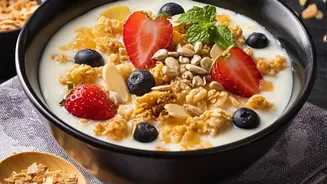
Breakfast is meant to fuel your body for the day ahead, but starting with a massive calorie load can sometimes backfire. While adding sunflower seeds to your oatmeal, yogurt, or smoothie is a great way to increase its nutritional value, it's easy to go overboard. A few generous handfuls can quickly turn a balanced 400-calorie breakfast into a 700-calorie meal without you feeling significantly fuller. Over time, this unintentional calorie surplus can contribute to weight gain. The goal is to enhance your breakfast, not to let a single, high-calorie ingredient dominate it. A single serving of about one ounce is a recommended portion.
Portion Control is Key
So, how much is the right amount? Most nutrition experts recommend a daily portion of about one ounce, which is equivalent to roughly a quarter cup of shelled seeds or a small handful. This serving size allows you to reap all the nutritional benefits—like improved heart health and lower inflammation—without consuming excessive calories. If you buy seeds in the shell, the process of cracking them open can naturally slow down your consumption. If you prefer the convenience of shelled kernels, consider measuring them out instead of eating directly from the bag to maintain portion control. Choosing unsalted or lightly salted varieties is also wise to avoid high sodium intake.
Smart Ways to Add Them to Your Morning
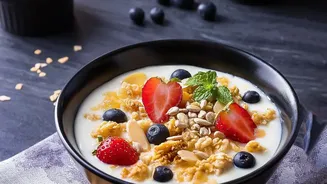
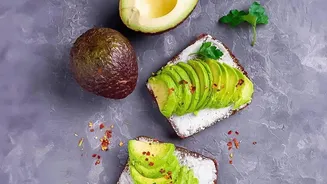
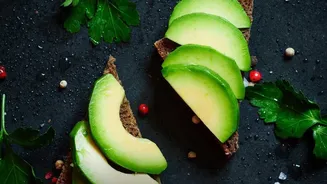
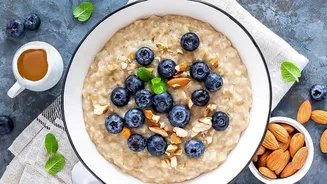
Incorporating sunflower seeds into your breakfast can be both delicious and simple. The key is to use them as a garnish rather than a main ingredient. Try sprinkling a tablespoon or two over a bowl of poha, upma, or oatmeal for a delightful crunch. They can be stirred into yogurt, blended into a smoothie for extra protein and healthy fats, or scattered over avocado toast. You can also mix them into homemade granola or energy bites. This approach ensures you get that boost of flavour and nutrients while keeping your overall meal balanced and supportive of your health goals.