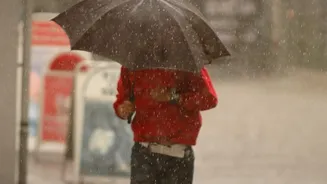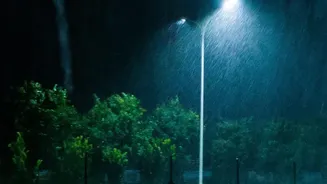




The High Cost of Urban Flooding
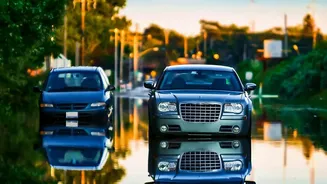
For vehicle owners in cities like Mumbai, Chennai, Bengaluru, and Kolkata, a single heavy downpour can lead to catastrophic financial loss. When a car is submerged, the damage extends far beyond soaked seats. Water ingress can destroy the engine, short-circuit
complex electrical systems, and ruin the transmission. Repairing a flood-damaged car can be exorbitant, with costs for engine work alone potentially running from ₹75,000 to over ₹3 lakh for mid-range vehicles. In many cases, if the damage is severe, the car is declared a total loss. Even attempting to start a waterlogged vehicle can cause a hydrostatic lock, seizing the engine and often voiding insurance claims. This makes avoiding flooded areas not just a matter of convenience, but of crucial financial importance.
Traditional Warnings vs. Smart Technology
Traditional flood warnings often rely on broad weather forecasts and manual reporting. While helpful, they lack the block-by-block specificity needed for a driver to make an informed decision. A general warning for a large city zone doesn't tell you if the specific underpass on your route is already three feet deep in water. This information gap is where drivers make risky choices, often underestimating the depth and danger of stagnant water. This is precisely the problem that new smart sensor technology aims to solve. Instead of reactive, generalized alerts, smart systems offer proactive, hyperlocal warnings that can make all the difference.
How Smart Flood Sensors Work
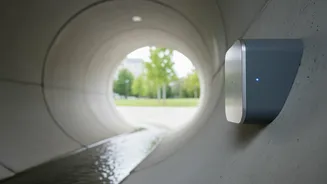
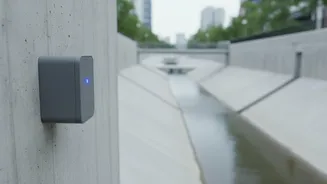
At the heart of these new early warning systems are Internet of Things (IoT) sensors. These are small, durable devices placed at strategic, flood-prone locations like underpasses, low-lying roads, and near storm-water drains. Several types of sensors are used, including ultrasonic sensors that measure distance to the water surface and pressure sensors that detect the weight of the water above them. These sensors collect real-time data on rising water levels continuously. Once a water level crosses a pre-determined critical threshold, the sensor wirelessly transmits an alert to a central control system. This entire process is automated, providing an immediate picture of flooding as it happens, location by location.
From Raw Data to Real-Time Alerts
Collecting data is only the first step. The real power comes from how this information is used. The central system, often powered by AI algorithms, processes the data from hundreds of sensors across a city. This information is then used to trigger immediate warnings through various channels. For drivers, this can mean instant updates on navigation apps like Google Maps, rerouting them away from flooded zones. It can also activate dynamic physical warnings, such as flashing LED signs on the approach to a waterlogged road or even automated barriers that physically prevent vehicles from entering a dangerous area. Cities like Mumbai and Kolkata are already deploying these integrated systems, known by names like iFLOWS and Aurassure, to provide advance flood warnings. These systems can model how water will move and estimate inundation levels hours in advance, giving both authorities and citizens crucial time to act.
A Safer Future for India's Urban Commuters
The adoption of smart flood warning technology marks a significant shift from reacting to disasters to proactively managing risk. For vehicle owners, the benefits are direct and tangible. An alert that helps you decide to leave your car at home, take an alternative route, or move your parked vehicle from a low-lying spot can save you lakhs in repair costs and immense stress. As these systems become more widespread and integrated with everyday tools like navigation apps, they empower drivers to make safer, smarter decisions. Projects in cities like Chennai and Bengaluru have demonstrated the effectiveness of this approach, leveraging real-time data to improve drainage operations and alert the public. This technology not only protects property but also saves lives by reducing the chances of vehicles getting stranded in dangerous floodwaters.