








The Aagaman Mission
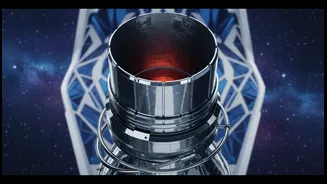
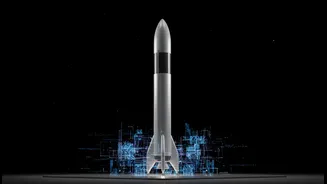
Skyroot Aerospace is on the verge of making history with 'Mission Aagaman', the maiden flight of its Vikram-1 rocket, scheduled for as early as July 18, 2026. This isn't just another launch; it's slated to be the first time an Indian private company attempts
to place a satellite into orbit. The seven-storey-tall rocket, named after the father of India's space program, Dr. Vikram Sarabhai, will lift off from the Satish Dhawan Space Centre in Sriharikota. The mission aims to deploy several small technology demonstration payloads into a low-Earth orbit about 450 km above the planet. After the company's successful suborbital flight of Vikram-S in 2022, Aagaman (Sanskrit for 'arrival') represents a monumental leap in complexity and ambition, signaling the arrival of India's private sector on the global launch stage.
Why Orbital Launches Are So Hard
Reaching orbit is exponentially more difficult than a suborbital flight, which just touches the edge of space before falling back to Earth. An orbital launch requires a rocket not only to climb vertically but also to achieve a staggering horizontal velocity of nearly 28,000 kilometres per hour to avoid being pulled back down by gravity. The Vikram-1 must execute a perfectly timed sequence of events, with its three solid-fuel stages firing and separating precisely before a final liquid-fueled upper stage performs the final orbital insertion. The entire process is a high-stakes technological ballet where thousands of components must work flawlessly in extreme conditions. This immense challenge is why a successful first attempt would be such a landmark achievement for Skyroot and India.
Betting on a New Generation
To tackle this formidable challenge, Skyroot has strategically built its team around a core of bright, young talent. The company, founded by former ISRO engineers Pawan Kumar Chandana and Naga Bharath Daka, has actively recruited fresh graduates from top engineering colleges across India through walk-in drives and internship programs. This approach infuses the organization with agility and a fresh perspective on problem-solving. While the broader Indian space startup ecosystem is also hiring seasoned experts from ISRO and other legacy organizations, Skyroot's emphasis on empowering young engineers gives them hands-on experience with cutting-edge technologies like 3D-printed engines and advanced composite materials. This creates a dynamic, high-impact environment where a workforce of around 200 people can take on a challenge of this magnitude.
Building India’s Spacetech Future
Skyroot's strategy is about more than just a single launch; it's about building a sustainable talent pipeline for India's burgeoning private space industry. The government's 2020 reforms, which opened the sector to private enterprise, have led to the creation of over 400 space startups. However, the country faces a shortage of specialised space talent. By investing in and training young engineers, Skyroot is not only solving its own needs but also helping to build the workforce that will power India's space economy, which is projected to grow significantly in the coming years. A successful Vikram-1 mission will validate this model, proving that a lean, youth-driven private company can complement the work of a national institution like ISRO and compete on the world stage. It's a crucial step toward making India a global hub for cost-effective small satellite launches.