




The Immediate Return
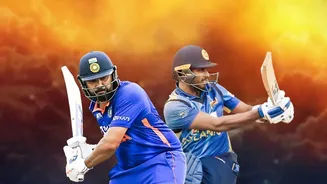
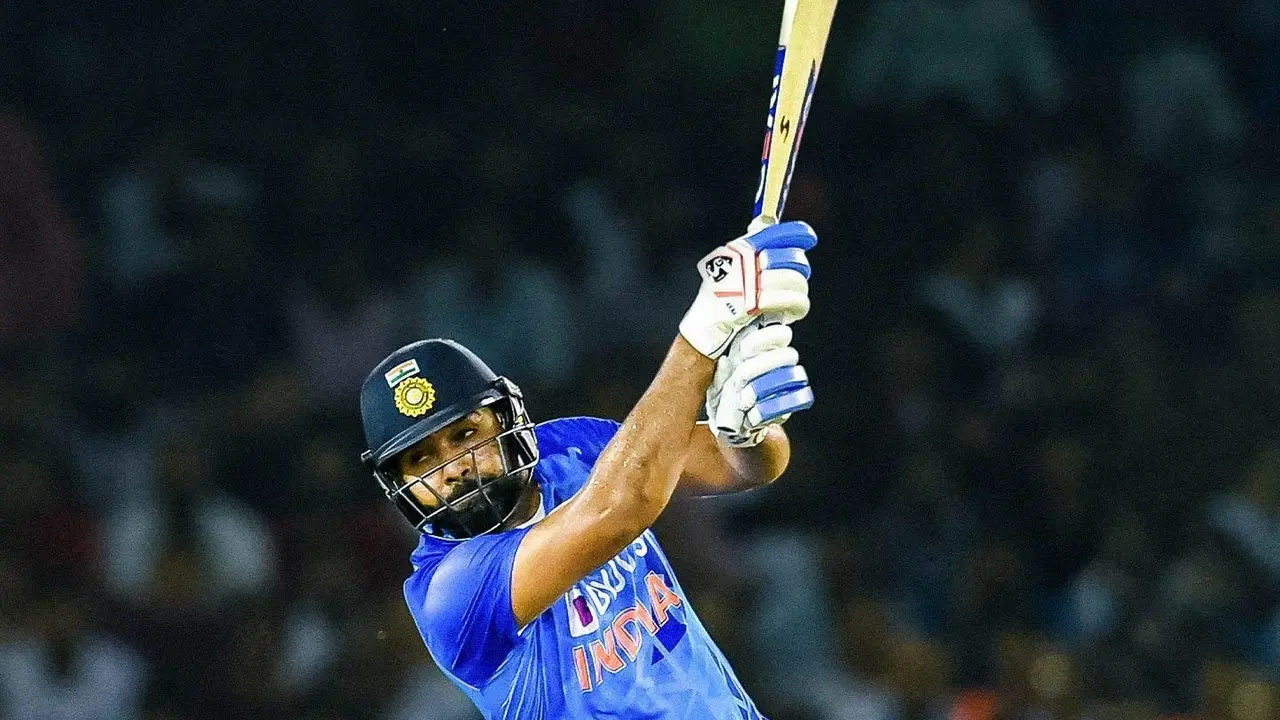
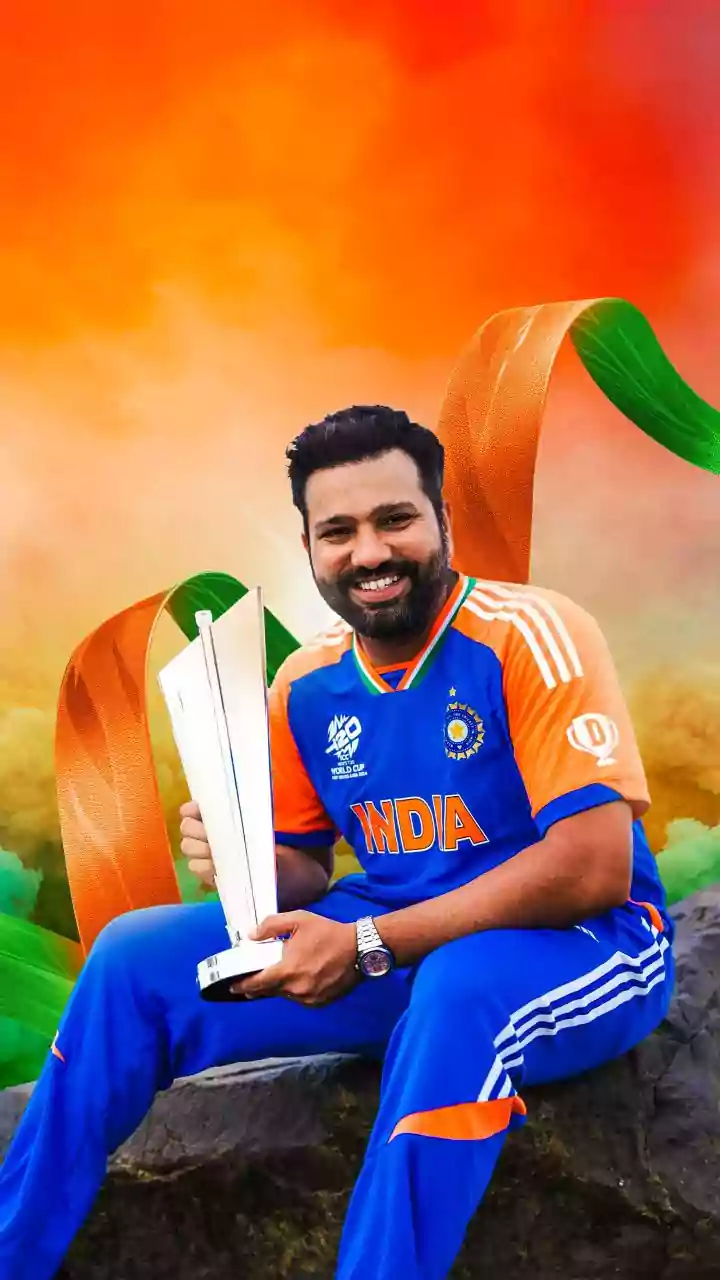
The Indian cricket team is scheduled to face West Indies in a home ODI series in late September 2026, and Rohit Sharma is expected to be a central part of that squad. Having retired from both Test and T20I cricket, the 50-over format is the last remaining
bastion of his international career. His inclusion silences immediate speculation about his retirement and confirms his place in the team’s short-term plans. This series will be the first step in what is being seen as a potential final chapter, one that the player himself hopes will culminate at the 2027 ODI World Cup in South Africa. All eyes will be on his form and fitness as he pads up for this crucial home series.
The Story Behind the Talks
This decision follows a period of intense uncertainty. During India's tour of England in July 2026, reports emerged suggesting that the national selectors had informed Rohit that they were looking to move on and groom younger talent for the future. The news fueled speculation that the final ODI at Lord's could be his farewell match for India. However, the BCCI's top leadership quickly intervened, publicly refuting the claims and stating that no such decision had been communicated to the player. Rohit, caught in the crossfire, delivered a powerful response with his bat, scoring a magnificent century at Lord's to underscore his value to the team. The episode revealed a potential rift between the selection committee's long-term vision and the board's immediate stance.
The Case for a Legend
Why back a player who will be 40 by the time the next World Cup arrives? The answer lies in experience that cannot be manufactured overnight. Rohit Sharma's desire to continue is a significant factor, but his supporters, including former teammates like Ajinkya Rahane, point to his incredible record and big-match temperament as invaluable assets. Rahane argued that senior players of Rohit's stature need clarity and backing, not a series-by-series trial. The argument is that Rohit provides more than just runs; he offers a tactical mind, a calming presence in high-pressure run-chases, and crucial mentorship for the very players expected to one day replace him. For many, the idea of heading into a World Cup without that level of experience is a risk not worth taking.
A Generational Crossroads
On the other side of the coin is the selectors' reported, and understandable, desire to build for the future. A four-year cycle is a long time in cricket, and banking on a 39-year-old to maintain world-class form and fitness until he is 40 is a significant gamble. Reports indicated that the selection committee was keen to provide a consistent run for players like Yashasvi Jaiswal, allowing them to settle into the ODI setup well ahead of the 2027 tournament. This approach prioritises a smooth transition, ensuring that the next generation of openers has ample experience when their time comes. The dilemma is a classic one in sports: do you hold onto a proven champion for one last campaign, or do you begin the rebuilding process early?
The Road to 2027 Begins Now
The outcome of the discussions appears to be a compromise. Rohit Sharma will continue playing, but his path to the 2027 World Cup is not guaranteed. Recent reports suggest the BCCI has instructed the selection committee to evaluate his future on a series-by-series basis. This places immense pressure on the veteran opener. Every innings will be scrutinized, and every score will be weighed against the performances of younger contenders. He must not only score runs but do so with the authority and consistency that leaves no room for doubt. His workload and fitness will be managed meticulously. The journey to the next World Cup, if it is to happen, will be a marathon of performance, not a victory lap based on legacy.