




The End of the All-or-Nothing Vacation
The long-standing tradition of saving up all your leave and money for one big annual trip is fading. In its place, a more fluid and frequent travel routine is emerging across India. Instead of just two peak seasons, the calendar is now dotted with numerous
smaller travel windows. Recent travel data shows that leisure travel is becoming a continuous, year-round activity rather than a once-a-year event. This fundamental shift means Indians are travelling more often, even if the trips themselves are shorter. This has given rise to what some industry experts call a 'Micro-Holiday Economy', where spontaneous trips and quick escapes are becoming the new norm.
Rise of the Long-Weekend Warrior
A key driver of this change is the strategic use of long weekends. With public holidays like Holi, Independence Day, and Gandhi Jayanti falling near a weekend, travellers are smartly clubbing them with a day or two of leave to create mini-vacations of three to five days. Travel platforms have reported a significant spike in bookings around these dates, with some seeing a 40% year-on-year growth in long-weekend trips. This trend isn't just for domestic travel; short-haul international destinations like Thailand, Bali, and Dubai are increasingly popular for these quick getaways. This has become so prevalent that many travel companies now have dedicated sections just for planning long-weekend itineraries.
More Than Just a Place to See
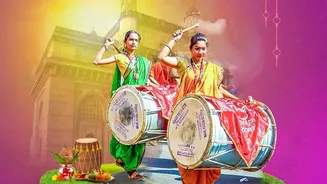
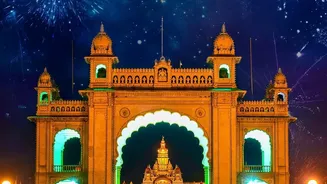
The motivation for travel is also evolving. It's no longer just about ticking a famous monument off a list. A recent report noted that a staggering 84% of Indian travellers say their interest in culture-led travel has grown. People are now planning trips around experiences, whether it's attending a local festival, joining a culinary workshop, or exploring a region's unique heritage. This shift means that the 'why' of travel—the experience you want to have—is becoming more important than the 'where'. This move towards immersive journeys has led to a boom in travel to lesser-known destinations in Tier-2 and Tier-3 cities, as people search for more authentic interactions.
The New Drivers: Flexibility and Freedom
Several factors are fuelling this transformation. The rise of hybrid work models offers newfound flexibility, allowing professionals to blend work with travel. This makes it easier to take spontaneous trips or work from a scenic location for a few days. Increased disposable income and better connectivity to regional destinations have also played a crucial role. Furthermore, the post-pandemic era has instilled a desire for more intentional and meaningful experiences, moving people away from rushed schedules. Social media also plays a part, introducing travellers to hidden gems and local experiences beyond the usual tourist circuits.
Off-Season is the New On-Season
This year-round travel habit is blurring the lines between peak and off-peak seasons. Traditionally slow periods, like the monsoon months of July and August or the shoulder season of September-October, are now seeing a healthy influx of tourists. Travellers are discovering the benefits of off-season trips: fewer crowds, lower prices on flights and hotels, and a more relaxed atmosphere. Hotels in popular destinations are reporting strong occupancies even during the monsoon, a period once considered a lull. This indicates a permanent shift, where Indian travellers are no longer waiting for the 'perfect' time to take a holiday; any time is a good time.