


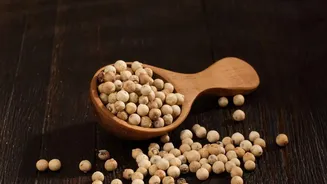
Why Your Pepper Might Be Fake
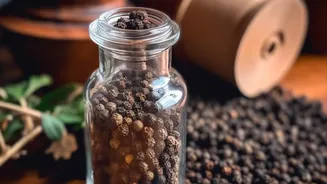
Black pepper's high demand and value make it a target for adulteration. To increase profits, some sellers mix whole peppercorns with cheaper substitutes that look strikingly similar. The most common adulterant is dried papaya seeds, which mimic the size
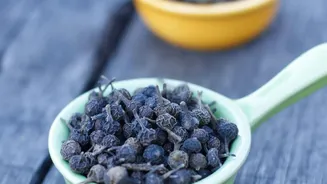
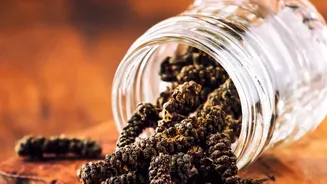
and shape of real peppercorns. Other fillers can include berries, tamarind seeds, or even more hazardous materials like coal powder to add weight and colour. These fillers not only cheat you on quality but can also lack the signature flavour and aroma of pure pepper, and in some cases, pose health risks.
Test 1: The Simple Float Test
One of the easiest ways to check for adulteration is the water test, a method highlighted by the Food Safety and Standards Authority of India (FSSAI). Simply drop a spoonful of your whole black peppercorns into a glass of water. Pure, dense peppercorns will sink to the bottom. Adulterants like papaya seeds or hollow, poor-quality 'light' berries are less dense and will typically float on the surface. While not entirely foolproof, if you see a significant number of 'peppercorns' floating, it is a strong indicator of adulteration.
Test 2: A Close Visual Inspection
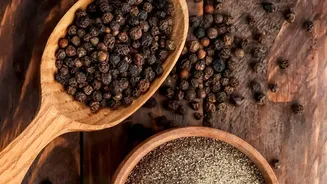
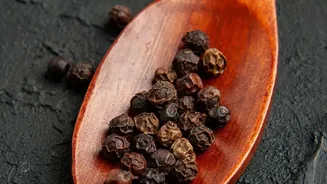
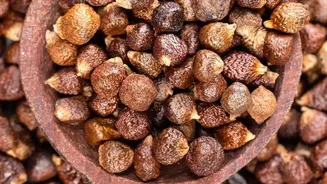
Your eyes can tell you a lot. Spread a small sample of peppercorns on a white plate. Genuine black pepper has a dense, wrinkled surface and a consistent dark brown or black colour. Papaya seeds, on the other hand, are often more oval-shaped with a shrunken but smoother surface. They may also have a greenish-brown tint. Be wary of peppercorns that look unusually shiny or glossy, as this could indicate they have been coated with mineral oil to improve their appearance, which can be harmful. A quick rub on a piece of paper can reveal an oily residue if mineral oil is present.
Test 3: The Crush and Smell Check
The texture and aroma are key indicators of purity. Take a few peppercorns and press them firmly with your finger or the back of a spoon. A genuine peppercorn is hard and will not break easily. Adulterants like light berries or papaya seeds are much softer and will crush with little pressure. When crushed, real black pepper releases a sharp, pungent, and woody aroma due to its piperine content. Fake peppercorns will have a very weak scent or a bland, repulsive flavour.
Health Risks and How to Buy Smart
Consuming adulterated pepper can lead to a range of health issues, from digestive problems like stomach irritation and indigestion to more severe risks if toxic dyes or chemicals have been used. To ensure you are buying the best quality Kali Mirch, it is always recommended to purchase whole peppercorns rather than pre-ground powder, as fillers like sawdust are harder to detect. Whenever possible, buy from trusted, reputable brands that provide clear labelling, including an FSSAI license number. If a price seems too good to be true, it is often a red flag for poor quality or adulteration. Taking a moment to check your spices is a simple step towards a healthier kitchen.