

What Exactly Is a Bento Box?
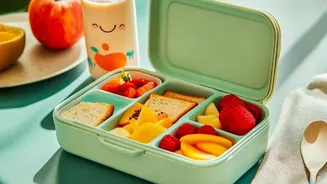
Originating in Japan, a bento is a single-portion meal packed in a box, often with multiple compartments. Traditionally, it includes rice or noodles, a protein like fish or meat, and pickled or cooked vegetables. The key idea is balance and separation.
Dividers or individual sections keep different food items from mixing, preserving their distinct flavours, textures, and freshness until it's time to eat. This isn't just a container; it's a philosophy of packing a complete, organised, and appealing meal. While traditionally Japanese, the bento concept has been adopted globally for its practicality and benefits.
The Perfect Match for Indian Cuisine
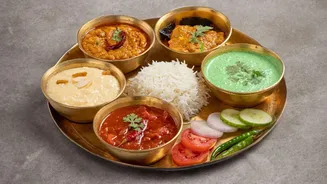
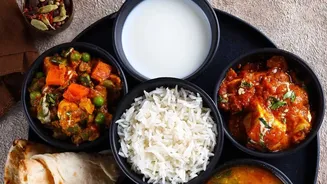
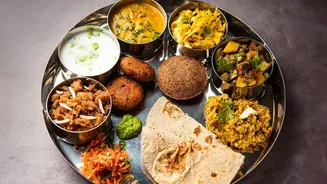
The diversity of an Indian thali is precisely why the bento format works so beautifully. A typical Indian meal consists of multiple components: a dry or semi-dry sabzi, a dal or gravy, rotis or rice, a salad (kachumber), and perhaps some pickle or a small sweet. Packing this in a single-container tiffin often leads to a disappointing, jumbled mess. Bento boxes, with their built-in compartments, are a natural fit. They allow you to pack a mini-thali that stays organised. The dal doesn’t make the rice soggy, the salad stays crisp, and the roti remains separate from the wet curry. It’s the ideal way to enjoy the variety of home-cooked Indian food without compromise.
Building Your Ideal Indian Bento
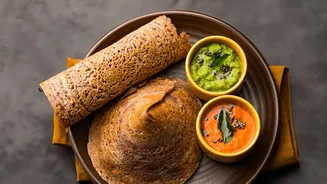
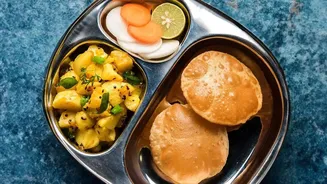
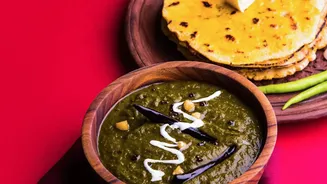
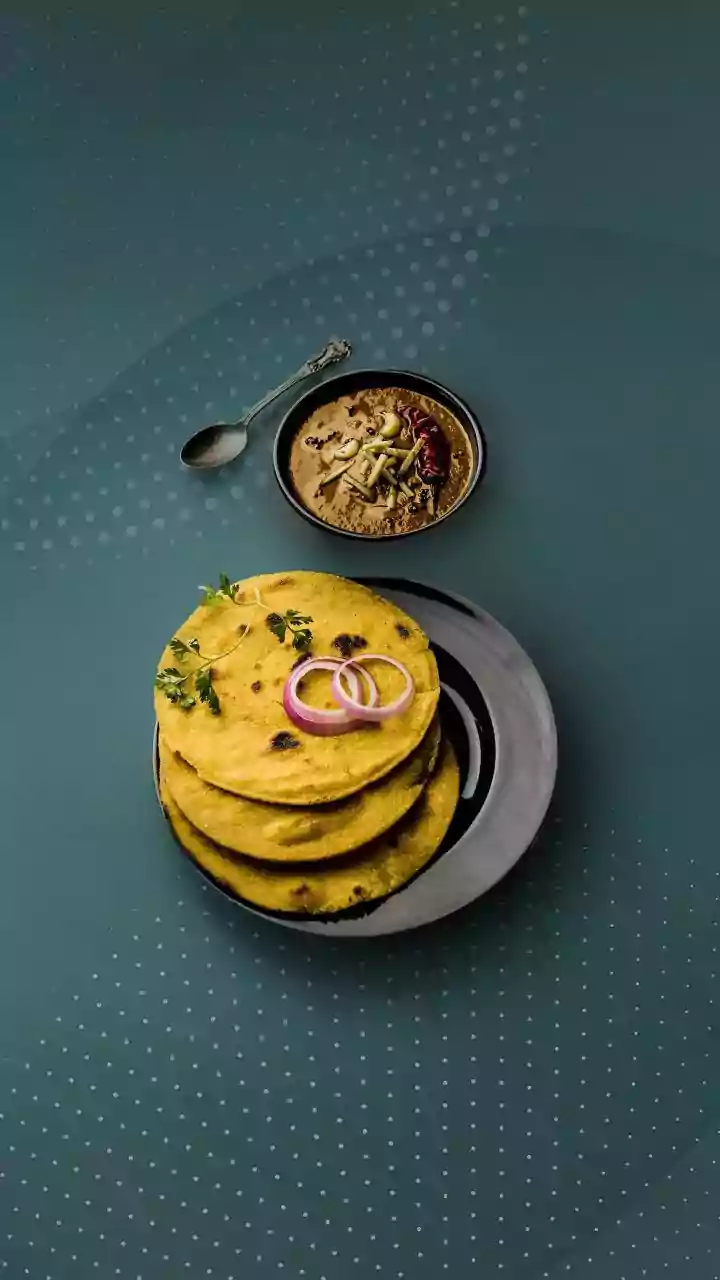
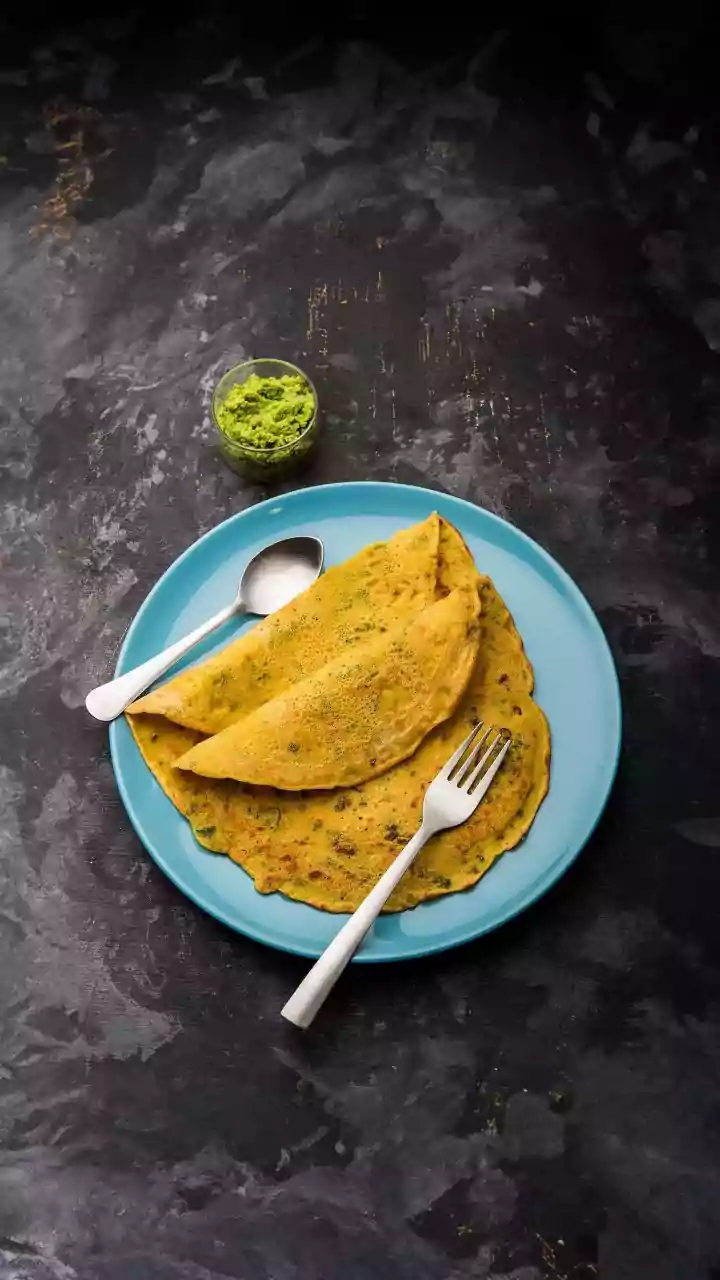
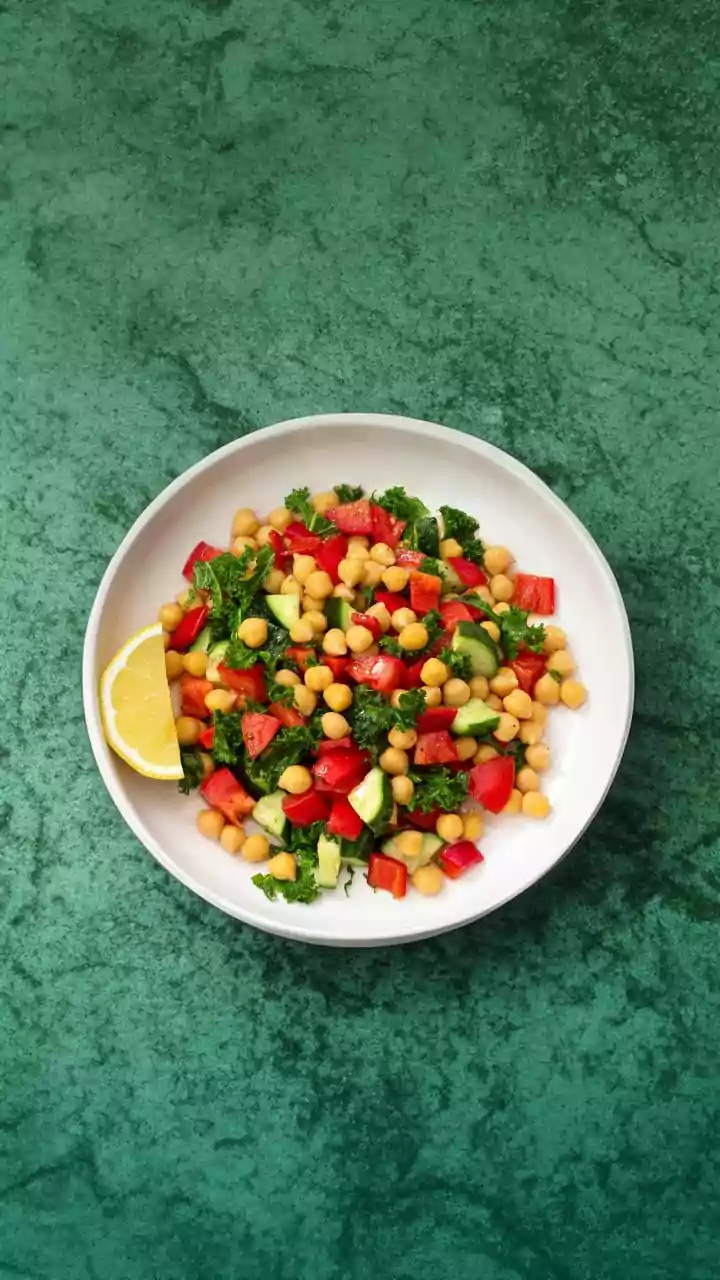
The beauty of the bento is its versatility. You can adapt it to your favourite everyday meals. Think of it as four main components. For the main dish, opt for drier preparations like bhindi masala, aloo gobi, paneer bhurji, or a thick dal fry or rajma. For carbohydrates, pack a couple of folded rotis, a small portion of jeera rice, or even mini dosas or idlis. The third compartment is perfect for a fresh element—a simple cucumber and tomato salad, a serving of yogurt or raita, or just some carrot sticks. Finally, use a small section for a little extra, like a handful of roasted nuts, a piece of chikki, a date, or a single gulab jamun for a post-lunch treat.
Key Tips for Packing Success
To make your bento experience seamless, a few tips go a long way. First, invest in a good quality, leak-proof bento box, especially if you plan to carry dals or curries. Many modern options are made from stainless steel or other durable materials and come with silicone seals to prevent spills. A crucial step for freshness is to let all cooked food cool down completely before packing. Packing hot food creates steam, which leads to sogginess and can encourage bacterial growth. Also, embrace portion control; the compartments are designed to hold just the right amount, which helps in eating a balanced meal. For added separation with sauces or raita, you can use small silicone cups within a larger compartment.