




The Persistent Problem of Unauthorised Vending
Unauthorized hawking on trains and at stations is a long-standing issue Indian Railways continues to tackle. Under the Railways Act, 1989, selling items without a license is a punishable offence. These unofficial sellers operate outside the system, meaning
the food they provide comes with no guarantee of quality, hygiene, or fair pricing. The risks are significant, ranging from food-borne illnesses due to unsanitary preparation to overcharging. In response, the Railway Protection Force (RPF) and commercial departments conduct regular inspections and special drives to penalise and remove these vendors, aiming to create a safer environment for passengers.
Identifying a Verified Onboard Seller
So, who is an authorized vendor? These are sellers licensed by Indian Railways or IRCTC. A key step towards transparency has been the introduction of QR code-enabled identity cards for all official catering staff and vendors. Any legitimate vendor, whether part of the pantry car staff or a mobile seller, must carry this ID. Passengers can scan the QR code to verify the individual's details, which often include their name, Aadhaar number, police verification, and medical fitness certificate. Furthermore, all registered vendors are required to carry and display a menu card with fixed, approved rates for all items. Refusal to show this card is a clear red flag.
Decoding Food Packaging and Base Kitchens
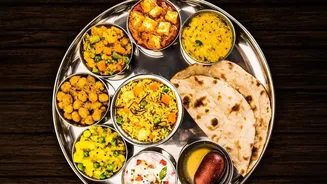
The verification system extends to the food packaging itself. To improve traceability and hygiene, meals supplied from official base kitchens now often come in packets marked with a QR code. Scanning this code can reveal important information, such as the name of the kitchen where the food was prepared and the date of packing. Indian Railways has been modernizing these base kitchens, installing CCTV cameras for monitoring, and mandating FSSAI certification to ensure they meet food safety standards. These measures are designed to ensure that the food reaching you is prepared in a regulated and hygienic environment.
Using IRCTC's Official eCatering Service
The most secure way to order a meal on your journey is by bypassing unofficial channels altogether and using the official IRCTC eCatering platform. This service can be accessed via the 'Food on Track' mobile app, the official website (ecatering.irctc.co.in), or through their WhatsApp service. By simply entering your PNR number, you can see a list of FSSAI-approved restaurant partners available at upcoming stations along your route. This not only guarantees the vendor is verified but also provides a secure payment gateway and a formal system for grievance redressal if something goes wrong with your order. IRCTC has recently cracked down on several unauthorised websites and apps that mimic the official service, so always ensure you are using the official channels.
What to Do If You Encounter a Problem
Despite these measures, issues can still arise. If you suspect a vendor is unauthorised, is overcharging, or if the food quality is substandard, you have several options. You can immediately file a complaint by calling or sending an SMS to the railway helpline number 139. It's also advisable to inform the Train Ticket Examiner (TTE) or any RPF personnel on board. When filing a complaint, be ready to provide key details like your PNR, coach and seat number, and the time of the incident to help authorities take prompt action. Indian Railways has taken penal action against caterers, including imposing significant fines and terminating contracts, based on passenger complaints.