


Understanding Spiti's Altitude Challenge
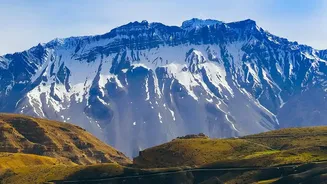
Spiti is a cold desert mountain valley where altitudes regularly exceed 12,500 feet (about 3,800 metres). Key areas like Kaza sit at this elevation, while popular stargazing spots like Langza, Hikkim, and Komic are even higher, reaching up to 15,000 feet.
At these heights, the air pressure is lower, meaning your body gets less oxygen with each breath. This can lead to Acute Mountain Sickness (AMS), a condition with symptoms like headaches, nausea, dizziness, and fatigue. Ignoring these signs can turn a dream trip into a medical emergency, so acclimatisation isn't just a suggestion—it's the most critical part of your plan.
The Golden Rule: Acclimatise Gradually
The single most effective way to prevent AMS is to ascend slowly. Experts strongly recommend taking the Shimla-Kinnaur route into Spiti rather than the Manali-Kaza route. The Shimla route involves a much more gradual increase in altitude over several days, giving your body the time it needs to adjust. Plan to spend at least two nights in Kaza (12,470 ft) before attempting to visit or sleep at higher villages like Kibber or Langza. A key principle is to 'climb high, sleep low'; you can take a day trip to a higher altitude, but returning to a lower elevation for the night significantly aids the acclimatisation process. On your first day in Kaza, resist the urge to explore extensively. Walk slowly, rest often, and save strenuous activity for later in your trip.
Hydration, Diet, and What to Avoid
Staying hydrated is crucial at high altitudes. Aim to drink three to four litres of water daily to help your body circulate oxygen more efficiently. Your diet should be rich in carbohydrates, which are easier for the body to metabolise with less oxygen. Avoid heavy meals, and for the first few days, steer clear of alcohol and smoking, as they can interfere with acclimatisation and worsen symptoms. Listen to your body; if you develop a persistent headache, nausea, or dizziness, do not ascend further. Rest, hydrate, and if symptoms worsen, the only cure is to descend to a lower altitude immediately.
Essential Gear for Casual Stargazing
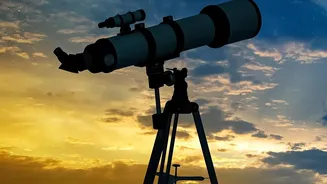
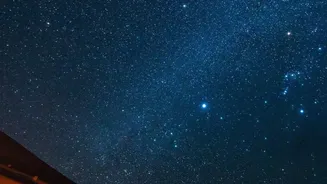
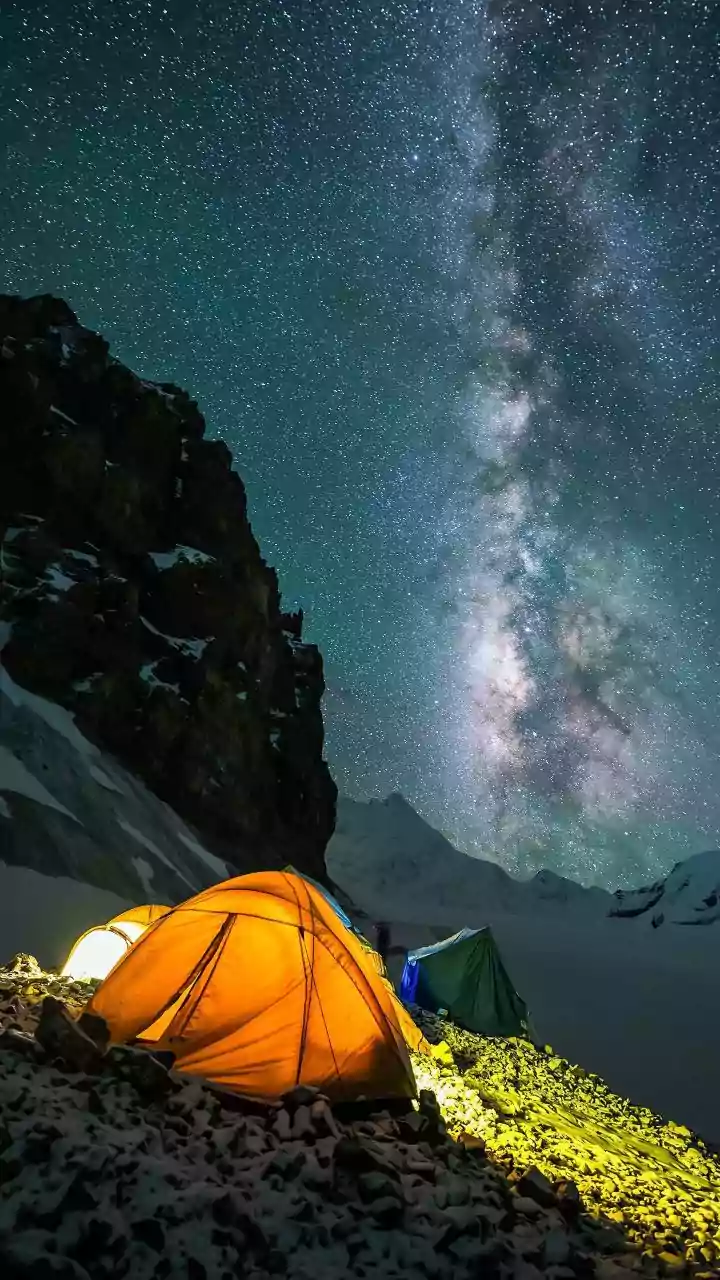
You don't need a professional telescope to enjoy Spiti's celestial display. The skies are so dark that the Milky Way is often visible to the naked eye. However, some basic gear will enhance your experience. A good pair of binoculars can reveal stunning details of the moon's craters and brighter star clusters. The most important gear, however, is warm clothing. Even in summer, night temperatures can plummet below freezing. Pack multiple thermal layers, a down jacket, woollen socks, gloves, and a warm hat. A headlamp with a red-light setting is essential; red light preserves your night vision, which takes about 20 minutes to fully adapt to the dark.
Equipment for Serious Astrophotography
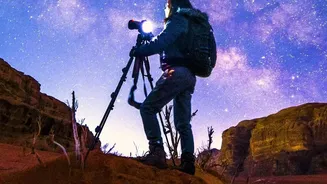
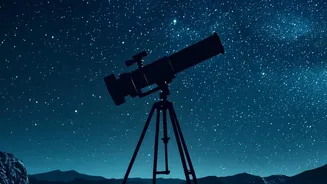
For those wanting to capture Spiti's night sky, the right gear is critical. A DSLR or mirrorless camera with manual mode is a must. Pair it with a wide-angle lens with a fast aperture (f/2.8 or wider) to gather as much light as possible. A sturdy tripod is non-negotiable, as wind gusts are common at high altitudes. The cold is your biggest enemy when it comes to electronics; it drains batteries rapidly. Bring multiple spare batteries and keep them warm in an inside jacket pocket, not in your camera bag. To prevent your lens from fogging or frosting over, a lens dew heater is a worthwhile investment. For advanced setups, a portable power station with lithium batteries is recommended, as they perform better in the cold than other types.
Best Time and Locations for Stargazing
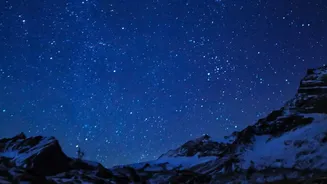
The prime window for stargazing in Spiti is from May to October, when the skies are generally clear and the main roads are open. September is often considered the best month, offering crisp, clear skies after the monsoon season has passed. For the darkest skies, plan your trip around the new moon. Some of the best-known locations for an unparalleled view of the cosmos include Langza, Kibber, Komic, and the area around Chandratal Lake, all of which are renowned for having some of the darkest, most light-pollution-free skies in India.