



Why Festivals Test Our Eating Habits
Festivals in India are a sensory overload in the best way possible. The air is thick with the scent of freshly fried samosas and sweet jalebis. Every home you visit offers a plate laden with love, and it feels impolite to refuse. This environment of abundance
and social pressure makes it easy to overeat. Our regular meal times get disrupted, and the sheer availability of high-calorie treats can override our body's natural hunger signals. The goal isn’t to resist the joy of festive food but to navigate it mindfully, ensuring you feel energetic and happy, not sluggish and overstuffed.
The Power of the Smaller Plate
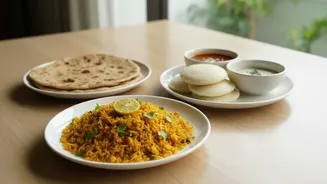
One of the simplest yet most effective strategies for portion control is to change your dishware. Using smaller plates and bowls can trick your brain into feeling satisfied with less food. Research shows that this visual cue naturally encourages smaller servings. When you fill a small plate, it looks just as abundant as a large one, but it holds significantly less. This allows you to taste a variety of dishes without piling on excessive calories. Before you even take a bite, you have set a physical limit that helps guide your choices.
Mastering the Balanced Festive Thali
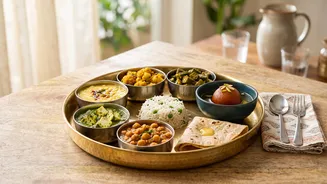
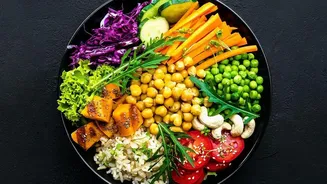
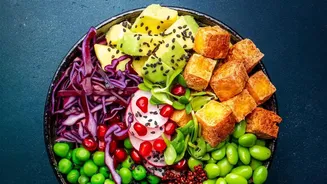
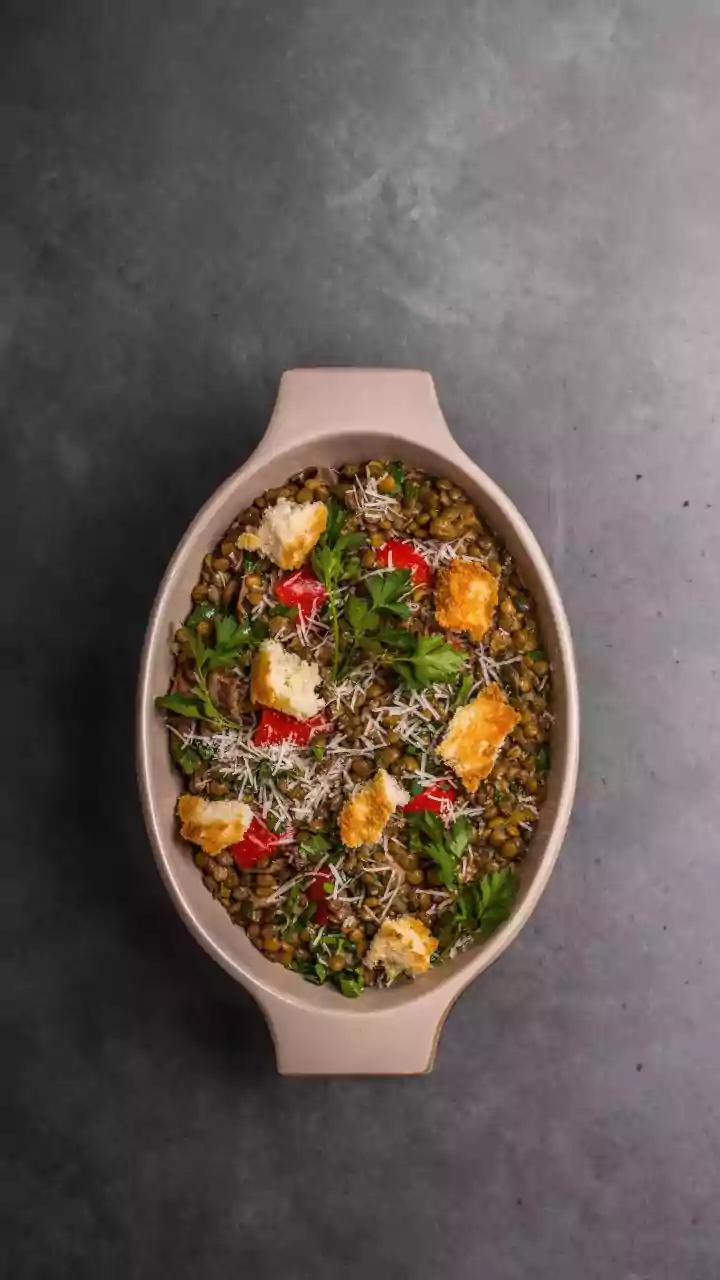
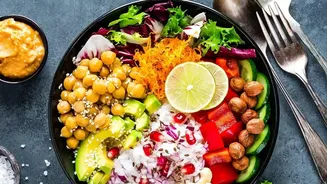
A balanced plate is your best friend during celebrations. A practical approach is the 'plate method'. Aim to fill half of your plate with vegetables or a fresh salad. These high-fibre foods aid digestion and help you feel full. Dedicate one quarter of your plate to a protein source like dal, paneer, chana, or lean chicken. Protein increases satiety, which helps prevent overeating later. The final quarter can be for carbohydrates such as rice, roti, or pulao. This balanced structure ensures you get essential nutrients while leaving just enough room to mindfully enjoy a festive treat afterward.
Strategies for Savouring Sweets and Snacks
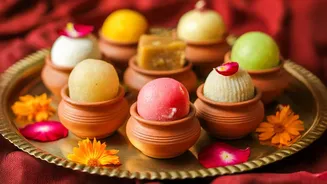
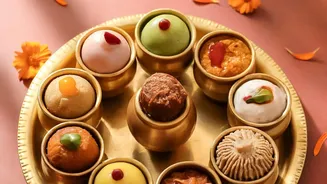
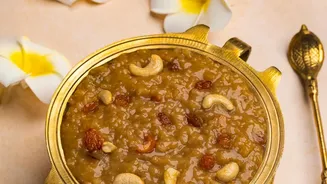
Mithai and fried snacks are the heart of festive indulgence, and you don't need to avoid them entirely. The key is moderation and mindful choice. Instead of trying everything on the table, pick one or two of your absolute favourites and savour them. Eat slowly, paying attention to the taste and texture. This practice of mindful eating not only enhances enjoyment but also gives your brain time to register fullness, so you're less likely to go back for seconds. When it comes to sweets like ladoos or barfis, stick to one piece. If possible, share a larger dessert with a family member. For savoury snacks, fill up on healthier options like roasted nuts or vegetable sticks first.
Don’t Skip Meals to 'Save' Calories
It might seem logical to skip lunch to make room for a big festive dinner, but this tactic often backfires. Arriving at a celebration ravenously hungry makes you more likely to overeat, especially high-calorie fried foods and sweets. A better approach is to have your regular, balanced meals throughout the day. Having a small, protein-rich snack like a handful of almonds or a bowl of yoghurt before heading out can also help stabilise your blood sugar and curb intense cravings. Also, remember to stay hydrated. Sometimes our bodies mistake thirst for hunger, so sipping on water, buttermilk, or coconut water can help manage your appetite.