









From Event to Everyday Habit
The idea of cleaning up public spaces is evolving. While large, organized clean-up drives remain crucial, a new, more personal trend is taking root: integrating litter collection into daily life. It started gaining global attention with 'plogging', a Swedish
trend combining jogging with picking up litter ('plocka upp'). This concept has now expanded beyond running to include walking ('plalking') and hiking ('pliking'), encouraging people to make a small, positive impact whenever they are outdoors. This shift signifies a deeper change in mindset, moving from occasional volunteering to a consistent, mindful practice. It’s about taking ownership of one’s immediate environment, one piece of trash at a time, making environmental care a part of the daily routine rather than a once-a-year activity.
The Feel-Good Factor of Cleaning Up
Why are people adding this to their already busy schedules? The motivations are both psychological and emotional. The act of cleaning provides a tangible sense of accomplishment and control, which can be a powerful antidote to feelings of helplessness about broader environmental issues. Studies in environmental psychology show that clean, orderly spaces reduce stress and anxiety by lowering levels of the stress hormone cortisol. Tidying a small patch of a park or a street provides immediate visual feedback, boosting mood and self-esteem. This simple action connects individuals to their community and nature, fostering a sense of pride and shared responsibility.
How to Start Your Own Routine
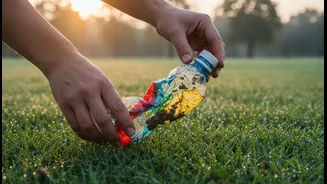
Getting started is simpler than it sounds and requires very little equipment. The key is to begin small to build a sustainable habit. You can start by dedicating just five minutes of your daily walk to picking up litter. All you need is a reusable bag and a pair of sturdy gloves for safety. For those who want to avoid bending down frequently, a litter grabber tool is an inexpensive and effective option. The goal isn't to clean an entire park in one go but to make a small, noticeable difference consistently. By focusing on your street or a favourite local spot, you can see the impact of your efforts accumulate over time, which is incredibly motivating.
Staying Safe While You Clean
While the intention is positive, safety should always be the top priority. Always wear gloves to protect your hands from germs and sharp objects. Be cautious about what you pick up; avoid broken glass, needles, medical waste, or any unidentified hazardous materials. It’s best to focus on common items like plastic bottles, wrappers, and paper. After every cleaning session, wash your hands thoroughly with soap and water. Dispose of the collected waste responsibly in a designated public bin or your own household waste. If you find a large amount of hazardous waste, it's safer to report it to your local municipal authorities rather than handling it yourself.
Join the Digital Cleanup Crew
You may be cleaning alone, but you're part of a massive global movement, often connected through technology. Social media challenges like the #TrashTag have gone viral, inspiring thousands to share before-and-after photos of their cleanup efforts. Beyond social media, dedicated apps are emerging to support this trend. Apps like Litterati allow users to photograph, geo-tag, and track the litter they collect, contributing to a global database that helps identify pollution hotspots and hold companies accountable. In India, apps like MyBIN and Waste Tracker help citizens locate bins and track waste management, connecting individual efforts to the larger system. These digital tools foster a sense of community and turn a solitary activity into a collective, data-driven effort for change.