




The Psychology of a Crowded Counter
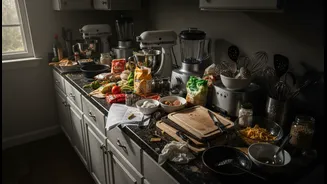
A constantly occupied countertop is more than just a physical problem; it's a mental one. Psychologists explain that clutter represents deferred decisions, and a kitchen counter is often where these decisions pile up. This visual noise forces your brain
to work harder, increasing levels of the stress hormone cortisol and reducing your ability to focus. A cluttered kitchen can trigger decision fatigue, making even simple tasks like preparing a meal feel overwhelming. This isn't a personal failing; it's a design problem. A space that feels chaotic discourages use, making you less likely to cook and more likely to feel stressed in the heart of your home.
Embracing 'Negative Space'
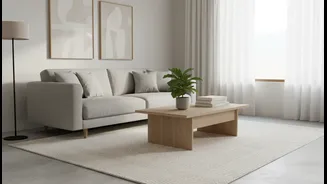
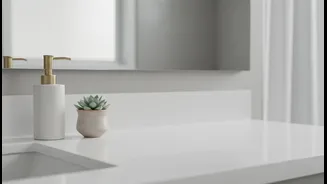
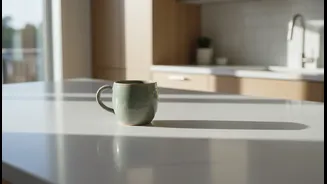
Interior designers have a term for planned empty areas: negative space. It’s the breathing room around objects that allows them to stand out and creates a sense of balance and calm. In a kitchen, negative space isn't wasted space; it's your active workspace. It's the dedicated, clear surface you need for every stage of cooking, from preparation to plating to cleanup. Having a clear, open area of at least three to four feet allows you to work comfortably and efficiently without constantly shifting items around. By treating empty space as a deliberate and essential component, you transform your counter from a chaotic storage surface into a functional and serene workstation.
The 'Everything Off' Audit
To reclaim your counter, you must first see it. The most effective first step is to remove everything. This isn’t about cleaning; it’s about assessment. Once the surface is completely clear, you can begin to make intentional choices. Ask yourself of each item: Do I use this daily? If the answer is no, it doesn’t belong on the counter. Items used less frequently can be stored away. The goal is to challenge the 'counter is convenient' mentality. An appliance like a toaster might be used for three minutes a day but act as clutter for the remaining 23 hours and 57 minutes. Storing it in an accessible cabinet frees up valuable real estate.
Go Vertical and Think Inside the Box
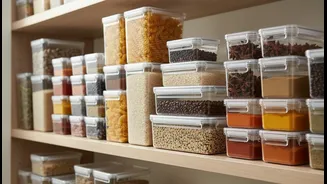
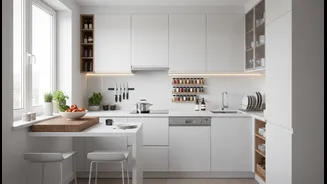
Once you’ve decided what doesn’t earn a permanent spot on the counter, the question is where it should go. The answer is often up, or in. Maximise vertical space with wall-mounted shelves, racks for pots and spices, or magnetic knife strips. These get items off the horizontal surface while keeping them accessible. Inside your cabinets, don't just place items—organise them. Use shelf risers to double your storage capacity for plates and mugs. Drawer dividers can tame utensil chaos, and lazy Susans in corner cabinets make deep storage reachable. The better your internal storage works, the less pressure there will be on your countertops.
Create Designated Zones
For the few essential items that remain, give them a proper home. This means creating designated zones. Group items by function. A small tray can corral your coffee maker, sugar bowl, and mugs into a neat coffee station. Soaps and sponges can be gathered on a small pedestal by the sink. By containing these small collections, you prevent them from visually sprawling across the counter. This creates a sense of order and purpose. It signals that these items are not random clutter; they are part of a thought-out system, which makes the entire space feel more organised and intentional.