



The Off-Season Is Officially On
For decades, the Indian travel calendar was predictable: summer for the hills, winter for the beaches, and monsoon for staying home. The rainy season was the undisputed 'off-season,' a time for the tourism industry to catch its breath. Not anymore. Young
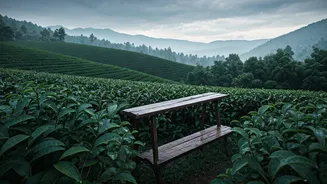
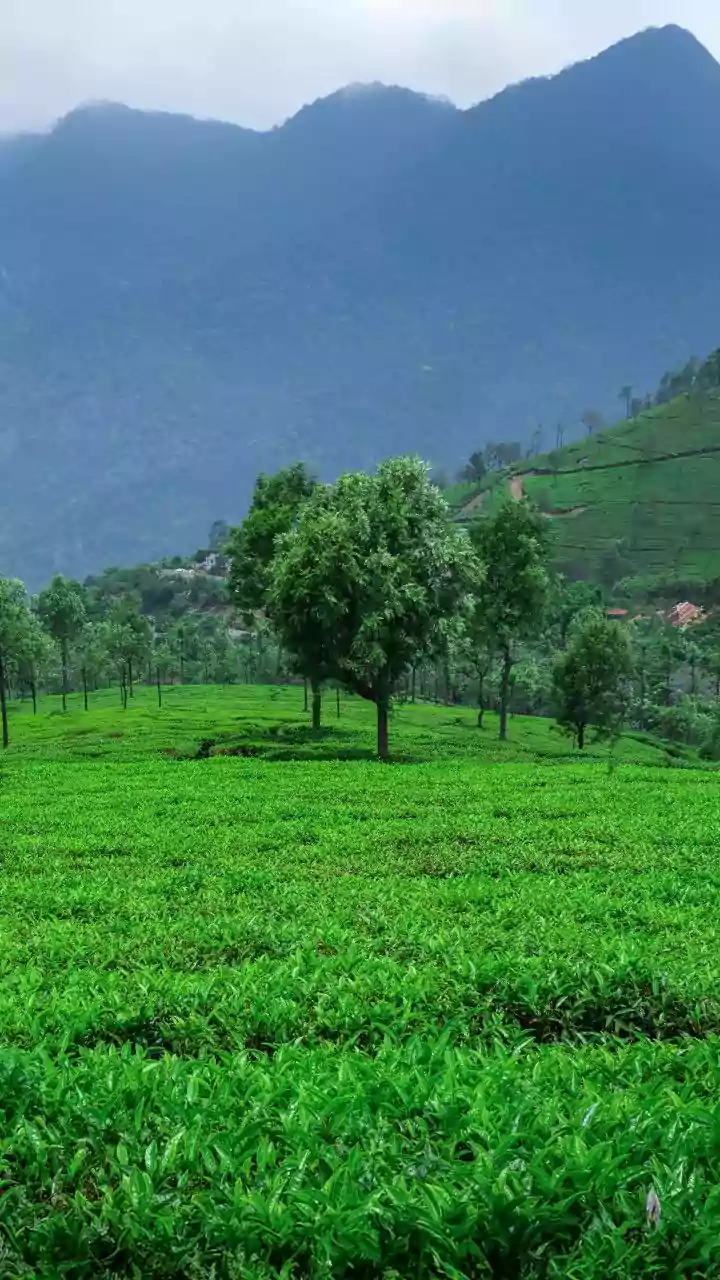
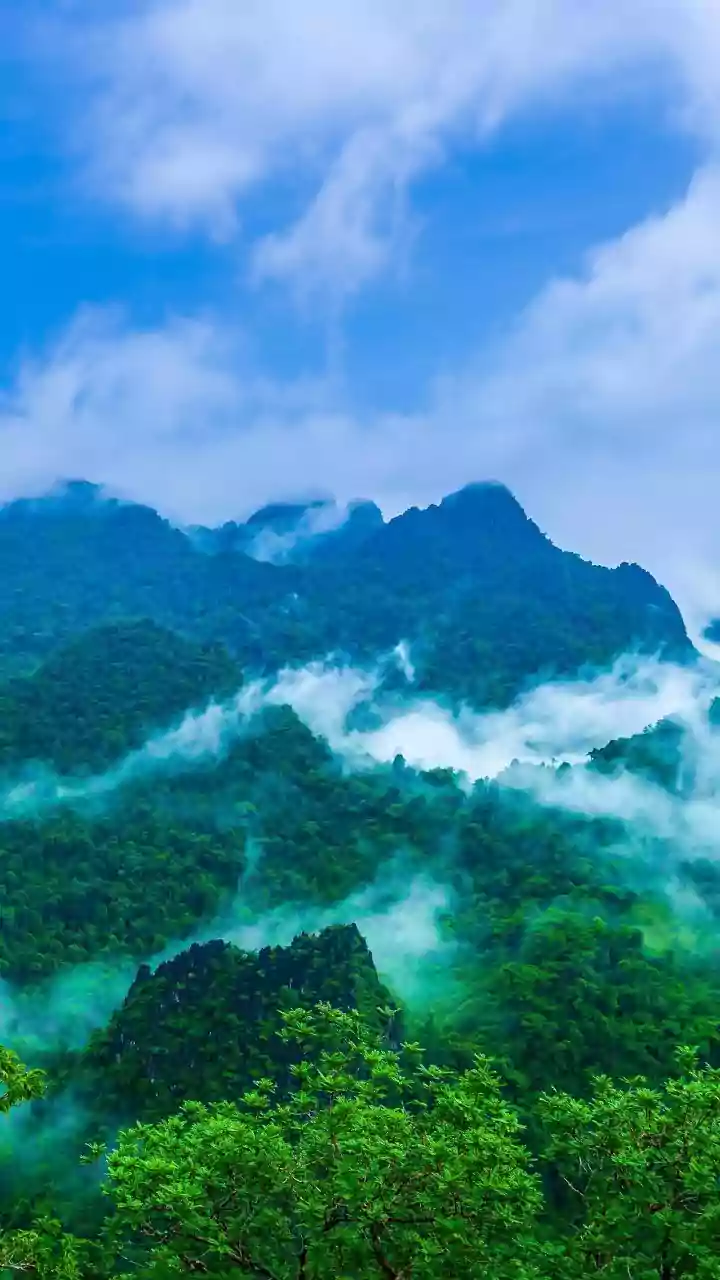
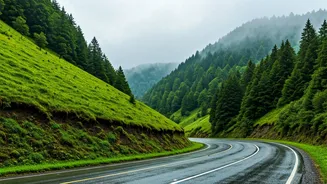
Indian travellers, armed with flexible work schedules and a hunger for unique experiences, have flipped the script. They are actively seeking out the lush greenery, mist-covered landscapes, and discounted prices that the monsoon offers. Destinations like Coorg, Lonavala, Goa, and parts of Himachal and Uttarakhand are now witnessing a significant surge in younger tourists who see the rain not as a deterrent, but as the main attraction.
Work, Wifi, and a Waterfall View
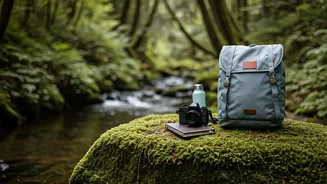
Perhaps the biggest driver of this trend is the rise of remote and hybrid work. The pandemic normalised the idea that work can be done from anywhere with a stable internet connection. This has given birth to the 'workation' — a blend of work and vacation. Young professionals are swapping their city apartments for quaint homestays and boutique hotels in scenic locations. The plan is simple: work during the day, and explore the rain-washed surroundings in the evening or over the weekend. This allows for longer, more immersive stays without eating into precious leave days. It's a fundamental shift from escaping work to integrating it with a more desirable lifestyle.
Seeking Experiences Over Sightseeing
The new-age traveller isn't just collecting photos of monuments. The focus has shifted from passive sightseeing to active, immersive experiences. During the monsoon, this translates into chasing waterfalls, going on challenging treks through verdant trails, trying local culinary workshops, or signing up for wellness retreats. The goal is to connect with a place on a deeper level. This generation values storytelling and authenticity; they want to return with a new skill, a fresh perspective, or a great story, not just a souvenir. Travel companies and local hosts are responding with curated experiences, from pottery classes in a mountain village to guided nature walks that highlight the region's unique monsoon flora and fauna.
The Rise of the Micro-Trip
The grand annual vacation is being supplemented, and sometimes replaced, by a series of shorter, more frequent 'micro-trips.' Young Indians are mastering the art of the long-weekend getaway. Instead of planning one big trip a year, they are taking multiple two-to-four-day breaks, often to drivable destinations. This approach is both budget-friendly and less disruptive to work commitments. The monsoon, with its numerous holidays and pleasant weather in many parts of the country, is perfect for this kind of spontaneous travel. These short bursts of exploration help combat burnout and satisfy the wanderlust that has become a defining characteristic of this demographic.
Spontaneous, Digital, and Budget-Savvy
Technology is the backbone of this new travel culture. Planning is often spontaneous, driven by a compelling Instagram reel or a last-minute deal spotted on a booking app. Young travellers are adept at using digital tools to find offbeat homestays, compare prices, and read peer reviews. While they seek rich experiences, they are also highly budget-conscious. The monsoon's off-season pricing for flights and accommodation makes it an economically attractive time to travel. They are choosing hostels, homestays, and guesthouses over luxury hotels, preferring to spend their money on activities and local food. This combination of spontaneity and thriftiness defines the modern Indian traveller's approach.