





The Soaring Demand for Air Travel
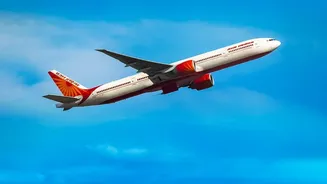
The driving force behind this potential mega-order is the explosive growth in India's demand for air travel. The country is one of the fastest-growing aviation markets globally. Forecasts from consultancy Oliver Wyman project that India's commercial aircraft
fleet will expand at an annual rate of 7.1% between 2026 and 2036. This growth is fuelled by a rising middle class, increasing disposable incomes, and a greater propensity for travel. Manufacturers like Airbus have revised their forecasts upward, now predicting India's domestic air traffic will grow by 9.3% annually. This rapid increase in passengers has led to what Union Minister Piyush Goyal described as an 'acute' shortage of aircraft, creating a pressing need for airlines to expand their fleets just to keep up.
Airlines Already on a Buying Spree
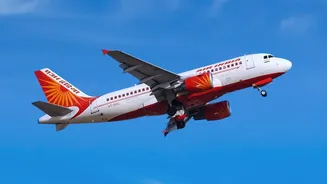
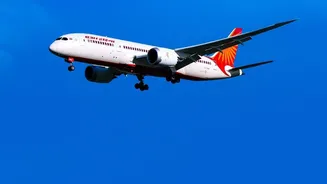
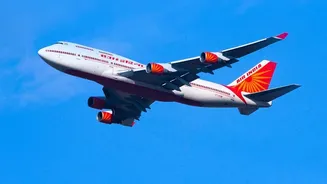
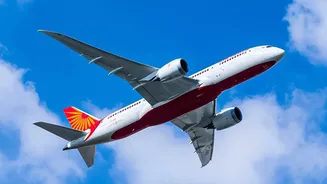
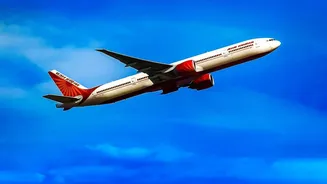
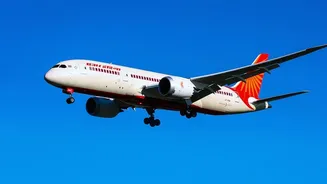
Even before this latest announcement, Indian airlines had already committed to one of the largest fleet expansions in aviation history. Major carriers like IndiGo, Air India, and the newer Akasa Air have placed combined orders for over 1,200 aircraft from global giants Boeing and Airbus. Air India's aggressive modernisation plan, for instance, involves inducting a new wide-body aircraft every six weeks through 2026 and 2027. However, these existing orders are proving insufficient to bridge the gap. Minister Goyal noted that India's total requirement is over 2,000 planes, necessitating the additional 1,000-plane order to meet long-term demand.
The Challenge of Supply and Delivery
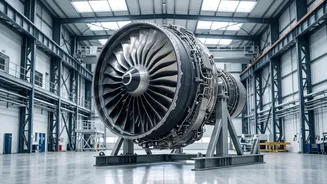
While the demand is clear, getting the planes is another matter. Indian carriers are urging manufacturers to speed up deliveries, but global supply chains are under pressure. Aircraft makers are facing large order backlogs from airlines worldwide, and shortages of key components like engines have slowed down production schedules. Data from the Ministry of Civil Aviation has shown that some aircraft ordered by Indian carriers are not scheduled for delivery until as late as 2034. This supply-side constraint is a significant hurdle, turning the focus not just on placing orders but on securing timely delivery to capacitate the booming market.
More Than Just Planes: A National Strategy
This massive fleet expansion is part of a broader national strategy to bolster India's infrastructure and economy. The government has a vision to increase the number of operational airports from around 163 in 2025 to over 350 by 2047. This expansion aims to connect more Tier-II and Tier-III cities, making air travel more accessible across the country. Furthermore, this growth is transforming India from merely a buyer of aircraft into a key part of the global aerospace manufacturing and supply chain. Boeing and Airbus are significantly increasing their sourcing of components and services from India, which now amounts to nearly $3 billion combined annually. This 'Make in India' push includes everything from aircraft doors and fuselages to advanced engineering services, creating a robust domestic aerospace ecosystem.