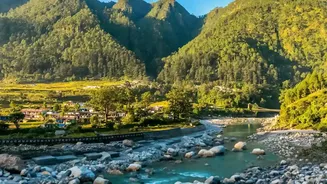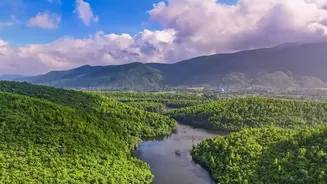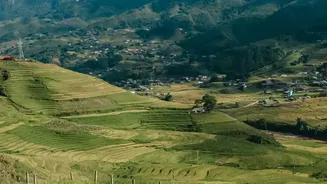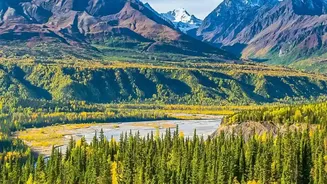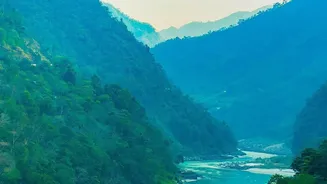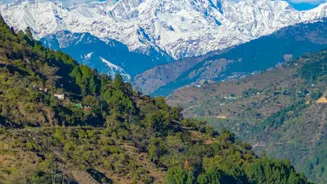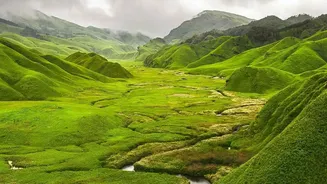

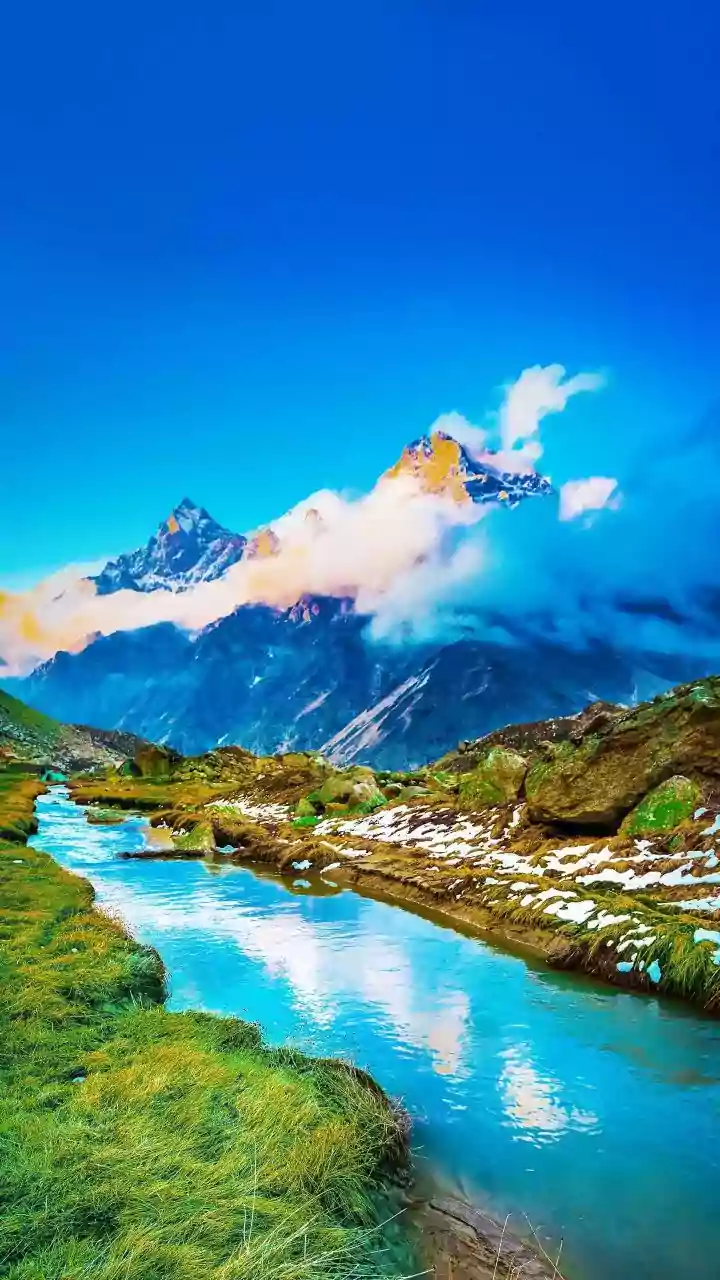
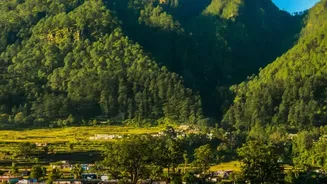
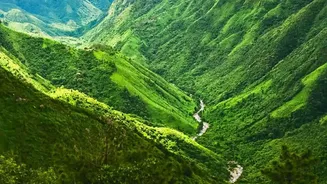
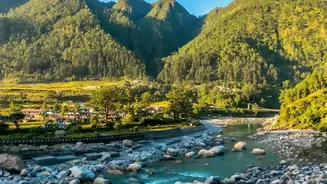
Arunachal Pradesh is a vast canvas of towering peaks, remote monasteries, and lush valleys. For the road-tripper, its sheer scale can be daunting. But with smart planning, you can unlock its full potential by combining nearby valleys into one seamless
journey.
Why Combining Valleys Makes Sense
A road trip in Arunachal Pradesh is an investment of time and effort. The state's geography, with roads often running north from Assam into separate valley systems, means that moving between major destinations can consume entire days. By strategically pairing valleys that are relatively close to one another, you can minimise long, backtracking drives. This approach not only saves precious travel days but also allows you to get the most out of your Inner Line Permit (ILP), which is typically issued for a limited duration. More importantly, it offers a richer travel experience, letting you witness diverse landscapes, cultures, and altitudes within a single, efficient itinerary.
The Classic Western Circuit: Tawang and Zemithang
For most first-time visitors, the journey to Tawang is the primary goal. This iconic circuit, starting from the plains of Assam, climbs through Bomdila and Dirang before crossing the formidable Sela Pass. While Tawang itself is a destination rich with attractions like the Tawang Monastery, a smart addition is the quieter valley of Zemithang, located about 90 kilometres away. The drive from Tawang to Zemithang takes around three to four hours and reveals a different side of the Monpa region, one that is less crowded and deeply connected to Buddhist history. Here, you can visit the impressive Gorsam Chorten, a 90-foot-tall stupa, and explore villages that seem untouched by time, offering a peaceful contrast to the main tourist hubs. Adding a day or two for Zemithang transforms a standard Tawang trip into a more profound exploration of the region's cultural and natural heritage.
Central Arunachal: Ziro and Mechuka
Combining the cultural landscapes of Ziro Valley with the dramatic, remote beauty of Mechuka offers a study in contrasts. Ziro, home to the Apatani tribe, is famous for its unique paddy-cum-fish cultivation and tranquil villages. Mechuka, often called the 'Forbidden Valley of Arunachal', is a high-altitude paradise of pristine rivers, wooden houses, and snow-capped peaks. Connecting the two is a multi-day journey that typically requires a halt at a town like Aalo (Along) or Daporijo. While the drive is long, it's a rewarding adventure through the heart of Arunachal, showcasing the state's tribal diversity and changing landscapes. This combination is ideal for travellers with more time—around 10 to 12 days—who want to experience both a unique agricultural society and a remote Himalayan frontier in one trip.
The Eastern Frontier: Lohit and Dibang Valleys
For those seeking an off-the-beaten-path adventure, the eastern part of Arunachal offers a rugged and rewarding experience. This circuit often begins from Dibrugarh in Assam and heads into the Lohit and Dibang valley systems. The journey to the Lohit valley can take you to Tezu and Hayuliang, with the turquoise Lohit river as a constant companion. Further east lies Walong, a place of historical significance. From there, you can explore the Dibang Valley, with its main town Anini serving as a base. The journey into Dibang is known for its dramatic scenery, passing through Mayodia Pass, a hotspot for birdwatching and winter snow. This combination is for the serious adventurer, taking you deep into a remote frontier known for its dense forests, Idu Mishmi culture, and the feeling of being at the edge of the world.
Essential Planning for Your Trip
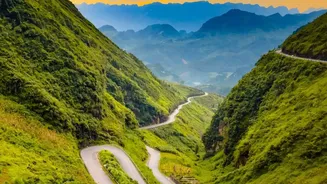
No matter which valleys you combine, planning is crucial. All Indian tourists need an Inner Line Permit (ILP), which can be easily applied for online. The best time to visit for most road trips is between October and April, when the weather is dry and skies are clear, though high-altitude passes like Sela can see snow in deep winter. The monsoon season (June to September) is generally best avoided due to landslides. A reliable vehicle, preferably a 4x4 SUV, is highly recommended for navigating the challenging mountain roads. Always factor in buffer days to account for unpredictable road conditions or weather-related delays. Finally, carry enough cash, as ATMs can be scarce in remote areas.