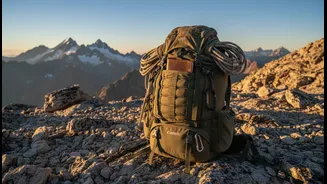









Why Your Backpack Choice Is So Critical
The trek to the holy cave is marked by steep ascents, rugged terrain, and highly unpredictable weather. You could face bright sunshine, sudden rain, and even snowfall in a single day. Your backpack is not just a bag; it is your mobile base, carrying everything
from warm clothing and emergency supplies to essential documents like your Yatra Permit and RFID card. A poorly chosen pack can lead to discomfort, fatigue, and strain, detracting from the spiritual focus of the journey. A good pack, however, distributes weight effectively and keeps your essentials protected, allowing you to focus on the path ahead.
Capacity: Finding the Sweet Spot
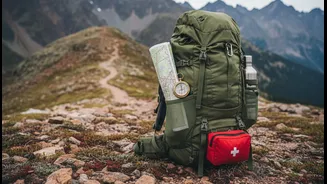
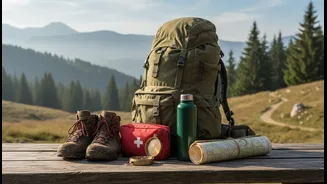
Choosing the right size is a balancing act. A backpack that is too small will force you to leave essentials behind, while one that is too large encourages overpacking, and every extra kilogram is felt at high altitude. For the Amarnath Yatra, a rucksack with a capacity between 40 and 60 litres is generally considered ideal. This provides enough space to carry layered clothing (thermals, fleece, waterproof jacket), a first-aid kit, high-energy snacks, a water bottle, and other personal items without becoming excessively bulky or heavy. Aim to keep the total packed weight under 10-12 kg.
Waterproofing: A Non-Negotiable Feature
The Himalayan weather is notoriously fickle, and sudden downpours are a common occurrence during the Yatra season. Getting your clothes, electronics, or sleeping gear wet can be uncomfortable at best and dangerous at worst. Your backpack must be your first line of defence against moisture. Look for a pack made from water-resistant materials like ripstop nylon or polyester. Even more crucial is an integrated or separate rain cover that can be quickly deployed to protect your entire pack and its contents during a sudden shower. Many modern trekking backpacks come with a dedicated pocket for the rain cover.
Comfort and Fit: The Key to Endurance
A good backpack should feel like an extension of your body, not a burden on your shoulders. The most critical feature for comfort is a well-designed suspension system. This includes padded, adjustable shoulder straps, a sternum (chest) strap, and, most importantly, a padded hip belt. The hip belt is designed to transfer the majority of the pack's weight from your shoulders onto your stronger hip and leg muscles, drastically reducing upper-body fatigue. An adjustable torso length and a ventilated back panel that allows for airflow will further enhance comfort during long hours of trekking.
Accessibility and Organisation
When you're on a narrow trail or need to access something quickly, you don't want to empty your entire bag. A well-organised backpack with multiple compartments is a game-changer. Look for features like side pockets for water bottles, a top lid pocket for quick-access items like sunscreen, snacks, and your medical kit, and perhaps a front stash pocket for a rain jacket. Some bags also offer a separate bottom compartment, which is useful for storing items like shoes or used clothes. Easy access to your essentials makes the journey smoother and safer.
Durability and Lightweight Design
The terrain on the Yatra is unforgiving, so your backpack must be built to withstand scrapes and rough handling. Durable fabrics and reinforced stitching are signs of a quality pack. However, this durability should not come at the cost of excessive weight. The ideal backpack is constructed from materials that are both tough and lightweight. Before you pack a single item, the empty weight of the rucksack should be as low as possible, typically under 1.5 to 2 kg. This ensures that the weight you carry is composed of your essentials, not the bag itself.