




From Sightseeing to Self-Care
For decades, a holiday meant a frantic rush of booking flights, seeing sights, and returning home needing another vacation to recover. But for India's millennials and Gen Z, this formula is losing its charm. They are at the forefront of a significant
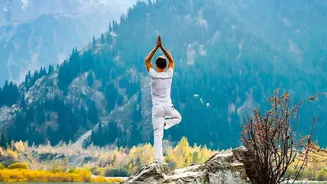
shift, looking beyond mere tourism to embrace wellness travel. This isn't just about a spa day; it's a conscious decision to use travel for deep rest, mental resets, and holistic healing. The intention is what separates this new form of travel. A trip to Rishikesh, for instance, is less about café hopping and more about a structured yoga program, guided meditation, or simply achieving the kind of deep sleep impossible in a bustling city. The destination might be the same, but the outcome is entirely different: genuine rejuvenation.
The Burnout Generation's Great Escape
This trend is deeply connected to the realities of modern Indian work life. Young professionals are navigating high-pressure careers, constant digital connectivity, and socioeconomic pressures that have led to some of the highest rates of workplace burnout globally. Travel is no longer just a luxury but has become a vital coping mechanism. Faced with digital fatigue and relentless urban routines, many see wellness travel as a necessary investment in their mental and emotional health. It’s a direct response to a lifestyle of being 'always on,' where the ability to truly disconnect has become the ultimate luxury.
The Rise of the Digital Detox
A defining feature of this new travel philosophy is the digital detox. Retreats offering phone-free environments and limited Wi-Fi are not seen as a deprivation, but as the main attraction. For many young Indians, the chance to be genuinely unreachable for a few days—to exist outside the constant stream of notifications and social media updates—is a powerful draw. This desire to log off is fueling a boom in dedicated digital detox retreats across the country, from the Himalayan foothills to the tranquil beaches of Goa. These journeys foster mindfulness, deeper human connections, and a reconnection with nature, which is often positioned as the primary healer.
India's Wellness Landscape
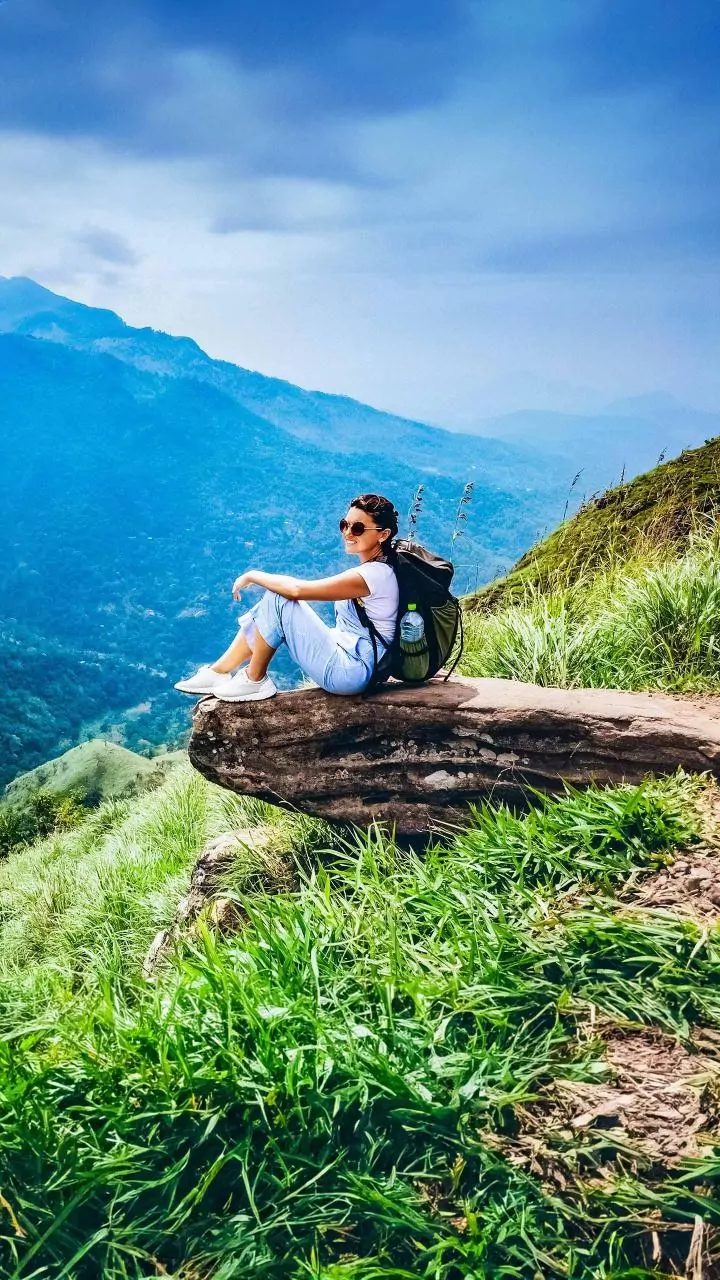
Fortunately, India offers an extraordinary and diverse landscape for these travelers. The country's ancient traditions of Ayurveda, yoga, and meditation are being embraced by a new generation. Destinations are chosen based on their specific wellness offerings. Kerala is the go-to for clinical Ayurveda, while Rishikesh remains the global capital for yoga. Dharamshala and McLeod Ganj attract those interested in Buddhist meditation and silent retreats. For those seeking nature immersion to combat burnout without a heavy spiritual focus, places like Coorg and the Nilgiris are becoming popular. This allows for highly personalized experiences, whether it's a Panchakarma detox, anxiety management program, or a simple, unstructured stay in nature.
A New Definition of Aspirational Travel
This shift also signals a change in what is considered aspirational. The focus is moving from performative sightseeing to transformative experiences. Rather than collecting photos of landmarks, young travelers are seeking renewal, self-discovery, and growth. A trip centered on emotional clarity or learning a new wellness practice is becoming a new kind of status symbol. It reflects a deeper cultural change where mental and physical well-being are prioritized. Vacations are no longer an escape from life, but an active investment in living a more balanced and intentional one.