






Understanding Dry Bags and Waterproof Ratings
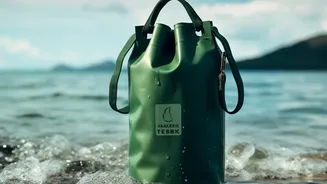
A dry bag is a flexible container with a watertight seal designed to keep your gear dry in wet conditions. Unlike a simple water-resistant backpack, which might only repel light showers, a true dry bag is made from waterproof materials like PVC or vinyl
with welded seams to prevent leaks. The most common type features a roll-top closure. When buying a dry bag, you may see an IP (Ingress Protection) rating. This code classifies its level of water protection. For splashes and heavy rain, a rating of IPX6 is sufficient. For protection against temporary submersion, look for IPX7, which means the item can be underwater up to 1 metre for 30 minutes. IPX8 is for continuous submersion, though no roll-top bag is designed for deep or prolonged underwater use.
Choosing the Right Bag for Your Gear
Dry bags come in various sizes, measured in litres. A small 5- or 10-litre bag is perfect for essentials like a phone, wallet, and keys. For a day trip with a mirrorless camera and a spare lens, a 15- to 20-litre bag offers more space. Always choose a size larger than you think you need; overfilling a dry bag is a common mistake that prevents a secure seal. Consider the material's durability. Thicker materials are more robust and puncture-resistant, which is vital for protecting expensive electronics. Also, look for features like a D-ring or strap to secure the bag to a kayak or backpack.
The Correct Way to Seal a Roll-Top Bag
The effectiveness of a dry bag depends entirely on how you seal it. First, don't overstuff the bag; you need enough empty space at the top to roll it down properly. Before sealing, push out most of the excess air, but leave a little inside. This small air pocket adds buoyancy, which will make the bag float if it falls into water. Align the stiff plastic strips at the opening, ensuring they are flat and free of wrinkles. Then, tightly fold or roll the top over at least three times. This creates the barrier that stops water from getting in. Finally, clip the buckles together. Remember, the buckle doesn't create the seal, it just holds the rolls in place.
Extra Protection for Sensitive Electronics
While a dry bag protects against external water, two other risks for electronics are impact and internal condensation. For cameras and lenses, it's wise to use padded inserts or even wrap them in a towel before placing them in the bag. For maximum security, many experts recommend "double bagging": place your phone in a smaller waterproof pouch (ideally one with an IPX8 rating) and then put that pouch inside the larger dry bag. This provides two layers of defence. This is especially critical for expensive gear in high-risk environments like kayaking or rafting.
Managing Condensation and Common Mistakes
Condensation can form inside a sealed bag when moving from a hot, humid environment to a cooler one, or vice versa. The moisture trapped in the air inside the bag can turn into damaging water droplets. To combat this, always carry a few silica gel desiccant packets inside your dry bag with your electronics. These packets absorb excess moisture from the air. Another common mistake is assuming a roll-top dry bag is fully submersible for long periods; it is not. They are designed to protect against rain, splashes, and brief dunks, not for diving. Before every trip, it's a good idea to test your empty bag by sealing it and holding it underwater to check for any pinhole leaks.