





The End of the Annual Holiday
For generations, the standard was to save up leave and money for one big trip a year. That model is being quietly retired by today's youngest travellers. Recent reports from travel platforms like Airbnb and Agoda show a clear trend among Indian Gen Z:
they overwhelmingly prefer taking multiple shorter trips over a single long vacation. Data from 2026 indicates that many young Indians are planning between one and six trips a year, with the majority of these stays lasting less than a week. This shift transforms travel from a rare, monumental event into an integrated part of their lifestyle, woven into open weekends and flexible work schedules. These shorter getaways, often called 'micro-trips' or 'micro-retreats', are easier to plan, more affordable, and provide a regular cadence of rest and exploration.
Experience Is the New Destination
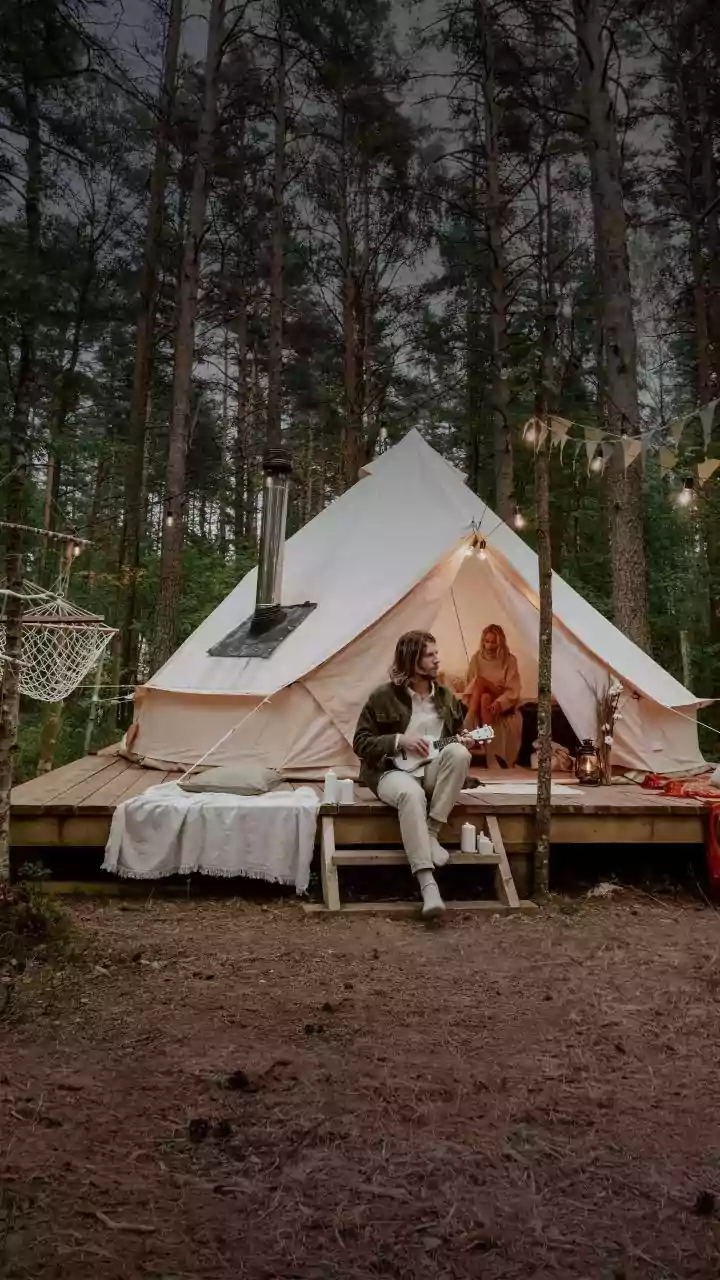
A key driver of the micro-retreat movement is the rise of 'experience-first' travel. For Gen Z, the focus is less on ticking off a list of famous landmarks and more on what they can do, learn, and feel. A trip's success is measured by the quality of the experience, not the prestige of the location. This could mean a weekend retreat focused on a creative hobby like pottery, a hands-on cooking course in a rural setting, or an adventure trip built around trekking and connecting with nature. Studies show that for this generation, travel is an act of self-expression. They seek out journeys that reflect their personality and values, often choosing lesser-known destinations to find more authentic connections. The journey is about the 'doing'—whether it's for personal growth, skill acquisition, or simply genuine fun—rather than just the 'seeing'.
The Ultimate Burnout Antidote
Perhaps the most significant force behind this trend is the need for mental and emotional recovery. Gen Z is reporting high levels of stress and burnout earlier in life, fueled by a constantly connected digital world and intense academic or professional pressures. Travel is increasingly seen as a necessary tool for wellbeing. But they aren't seeking the exhausting, party-filled escapes of the past. Instead, wellness is the new luxury. A micro-retreat provides a powerful, concentrated dose of respite. It's a deliberate opportunity to disconnect, slow down, and recharge. Recent survey data reveals that rest, relaxation, and recovery from burnout are primary motivators for Gen Z travellers, who see these short breaks as essential for maintaining their mental health.
Flexible, Affordable, and Independent
The micro-retreat trend is also a product of pragmatism. Shorter trips are inherently more budget-friendly, allowing for more frequent travel without a massive financial outlay. This generation is adept at using technology to find deals and values unique stays over traditional luxury hotels. Spontaneity is another hallmark; many trips are booked just weeks or even days in advance, fitting into sudden gaps in their schedule. Furthermore, there's a notable shift in travel companions. The traditional family trip is making way for solo adventures and getaways with partners or small groups of friends. This allows for greater flexibility and a travel experience that is more personally tailored. Shared homes and boutique stays are popular as they foster connection and a sense of living like a local, even for just a few days.