






The Shifting Thali
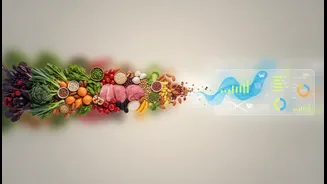
For generations, the Indian diet was built around a foundation of cereals and pulses. Today, that foundation is shifting. Recent household consumption surveys show a significant decline in the share of expenditure on cereals. Instead, households are spending
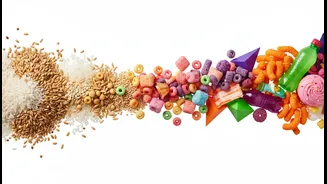
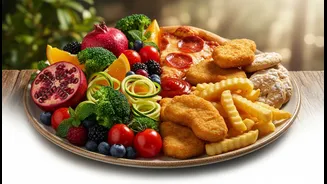
more on milk, eggs, fish, meat, and fresh fruits. This dietary diversification, coupled with a sharp rise in the consumption of beverages, refreshments, and processed foods, marks a classic 'nutrition transition'. As incomes rise, people move away from basic staples towards a diet higher in fats, sugars, and animal proteins. This isn't just an urban phenomenon; the trend is visible across both rural and urban areas, signalling a nationwide transformation in eating habits.
Drivers of Dietary Change
Several factors are stirring this culinary pot. The primary driver is economic growth and rising per capita incomes, which give households the financial power to diversify their diets. Rapid urbanisation plays a key role, altering lifestyles and increasing access to a wider variety of foods, especially convenient, processed options. The modern Indian consumer is also more aware and intentional, seeking products that offer wellness, comfort, and value. This has led to a greater demand for protein-rich foods and functional beverages that promise benefits like improved gut health. At the same time, the easy availability of cheap, unhealthy alternatives and the rise of quick commerce are reshaping impulse purchases and daily consumption patterns.
A Double-Edged Sword
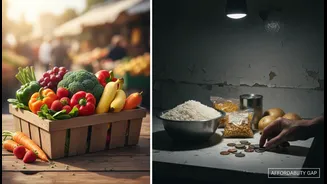
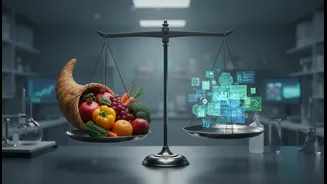
This transition is creating a complex public health challenge known as the 'double burden of malnutrition'. While India continues to fight a persistent battle against undernutrition, including high rates of stunting and wasting in children, it is now simultaneously facing a rapid increase in overnutrition. The prevalence of overweight and obesity among adults has nearly doubled in a decade, leading to a surge in non-communicable diseases (NCDs) like diabetes and heart disease. This paradox means that within the same communities, and sometimes even the same households, you can find both underweight and overweight individuals. This dual crisis complicates public health strategies, which have traditionally focused on combating calorie deficiency.
Policy on the Plate
The changing food basket demands a major rethink of India's nutrition policies. For decades, initiatives like the Public Distribution System (PDS) and mid-day meal schemes were designed to ensure calorie sufficiency, primarily through cereals. While crucial for food security, these policies are now ill-equipped to address the new challenges of micronutrient deficiencies and rising obesity. Experts argue that policies must now pivot from focusing solely on calories to promoting nutritional quality and dietary diversity. National programs like POSHAN Abhiyaan (National Nutrition Mission) have set targets to reduce stunting and anaemia, but tackling the 'double burden' requires a more integrated approach that unites agriculture, health, and education ministries to promote healthier food systems from farm to plate.