



Bottle Gourd (Lauki)
Often a humble staple, bottle gourd is a superstar during the monsoon. With its high water content, it's incredibly hydrating and very easy on the digestive system, which, according to Ayurveda, can be weaker during this humid season. Lauki is rich in both
soluble and insoluble fibre, promoting good gut health. It also contains vitamins C and B, providing antioxidant benefits. During Shravan, when many avoid onion and garlic, lauki shines as it absorbs the flavours of sattvic spices like cumin and green chilli beautifully, making it perfect for simple curries, soups, or dal.
Ridge Gourd (Tori)
Another excellent monsoon vegetable is the ridge gourd, known for being light and full of nutrients. Like its cousin, the bottle gourd, it’s rich in dietary fibre and helps support digestion. It's also a good source of Vitamin C, which is crucial for boosting immunity against common monsoon ailments like colds. Its soft texture cooks quickly, making it a convenient choice for simple, wholesome meals that align with the principles of Shravan eating.
Bitter Gourd (Karela)
While its bitter taste can be divisive, the health benefits of karela are undeniable, especially during the rainy season. It's packed with Vitamin C and antioxidants, which are vital for strengthening the immune system against seasonal infections. Bitter gourd also has antiviral properties and is known to aid liver function. For those observing a sattvic diet, karela can be prepared in ways that mellow its bitterness while retaining its powerful health-boosting properties, making it a worthy addition to your monsoon plate.
Pumpkin (Kaddu)
Sweet, versatile, and packed with nutrition, pumpkin is another vegetable that peaks during this season. It's a fantastic source of beta-carotene, which the body converts into Vitamin A, an essential nutrient for a strong immune system and good vision. Pumpkin is light, easy to digest, and permitted in most fasting diets, making it a reliable choice for Shravan. It can be used in simple sabzis, soups, or even light, naturally sweet desserts, offering both comfort and nourishment.
Sweet Potato (Ratali)
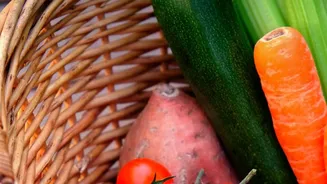
Sweet potato, or Ratali, is a cornerstone of Shravan fasting foods. It’s filling, naturally sweet, and provides sustained energy through its complex carbohydrates. This root vegetable is incredibly versatile and can be simply boiled with rock salt (sendha namak) and lemon, roasted, or added to other dishes. It is permitted in most fasting traditions and serves as a nutrient-dense option that keeps you feeling full and energised throughout the day.
Leafy Greens (Palak, Methi, Rajgira)
While some traditions advise caution with leafy greens during monsoon due to mud and pests, choosing clean, well-washed greens like spinach (palak), fenugreek (methi), or amaranth (rajgira bhaji) can be very beneficial. These greens are powerhouses of iron and other vital nutrients. Given that many people avoid non-vegetarian food during Shravan, getting enough iron is important, and these vegetables are an excellent plant-based source. A simple palak dal or a sabji with rajgira greens can be a wholesome, sattvic meal.
Pointed Gourd (Parwal)
Also known as parwal, this small but mighty gourd is widely available during the rainy season and offers several therapeutic benefits. Its properties are said to help in reducing fever and the common cold, ailments that are frequent during the monsoon. Furthermore, parwal is believed to have protective effects on the liver, which is beneficial as the risk of water-borne illnesses increases. It can be easily incorporated into light curries and stir-fries, fitting perfectly within the Shravan dietary framework.