







1. The Return to Authentic Spices
For years, American chai was synonymous with a super-sweet, cinnamon-heavy syrup pumped into steamed milk. While comforting, it was a distant cousin to the real deal. Now, a major trend is the return to authentic, complex spice profiles. Cafes and home
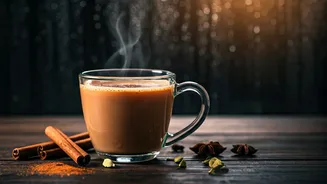
brewers are moving beyond the one-note concentrate and embracing the traditional “masala” (spice mix). This means freshly ground cardamom, crushed ginger, whole cloves, star anise, and black peppercorns simmered directly with black tea and milk. The result is a brew that is fragrant, pungent, and balanced—less of a dessert and more of an experience. It’s a direct nod to the chai served from street carts in Mumbai or brewed in homes across India, where the spice blend is a point of personal pride.
2. The Wellness-Infused Brew
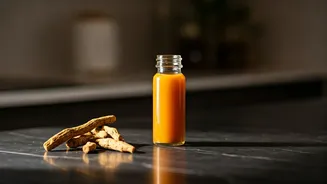
Tapping into the massive wellness movement, the newest chai iterations are functional as well as flavorful. Adaptogens—herbs and roots believed to help the body manage stress—are being added to chai blends for an extra health halo. Think chai with a spoonful of ashwagandha for calming properties, or blends infused with functional mushrooms like reishi or lion's mane for focus and immunity. This fusion makes perfect sense: chai is already rooted in Ayurvedic tradition, which uses spices like ginger and cardamom for their digestive and anti-inflammatory benefits. Adding adaptogens feels like a natural, modern evolution, turning a comforting ritual into a self-care power-up.
3. The Floral and Botanical Twist
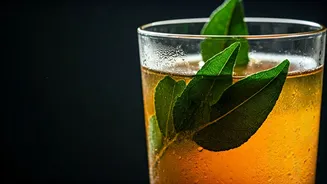
While traditional chai is earthy and spicy, a lighter, more aromatic trend is blooming. Floral and botanical infusions are softening chai’s edges, creating drinks that are as beautiful as they are delicious. Lavender chai offers a soothing, herbaceous note that pairs surprisingly well with cardamom. Rose chai, a classic in some parts of the Middle East and South Asia, adds a delicate, romantic perfume. You might also see hibiscus chai, which lends a tart, cranberry-like flavor and a brilliant ruby hue. These versions appeal to a different palate, offering a gentle introduction to the world of spiced tea while being incredibly Instagram-friendly.
4. The Single-Origin Spice Story
Coffee culture taught us to care about where our beans come from—their terroir, their processing, their story. Now, that same ethos is being applied to chai. Instead of using a generic spice mix, high-end cafes and tea brands are highlighting single-origin spices. You might find a chai that boasts Tellicherry peppercorns from Kerala, known for their robust flavor, or Ceylon cinnamon from Sri Lanka, which is more delicate and complex than the common cassia variety. This trend treats the spices with the same reverence as single-origin coffee or cacao, allowing consumers to appreciate the subtle but significant differences in quality and origin. It transforms chai from a simple drink into a lesson in global agriculture.
5. The DIY Home Concentrate
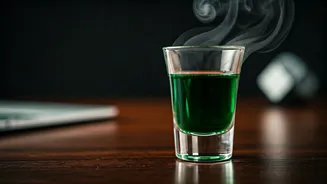
Tired of overly sweet cafe options but intimidated by brewing from scratch every morning? The middle ground is the DIY home concentrate. A growing number of chai lovers are simmering a large batch of a super-strong, spice-heavy tea base on a Sunday afternoon, then storing it in the fridge for the week. This allows for total control over sweetness (using honey, maple syrup, or no sugar at all) and spice intensity. Each morning, you simply combine a shot of your custom concentrate with your milk of choice and heat it up. It’s the perfect blend of convenience and authenticity, capturing the spirit of a slow-simmered chai with the speed needed for a busy American morning.