






A Historic Link to the Gulf
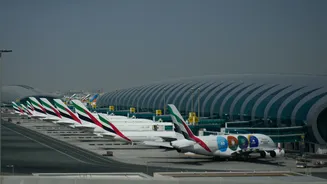
Starting in early August, Air India Express is launching direct services from Guwahati’s Lokpriya Gopinath Bordoloi International Airport to Dubai and Abu Dhabi. The Guwahati-Dubai route is set to begin on August 4, with the Abu Dhabi service following
on August 7. This is a landmark moment, finally connecting Northeast India directly with West Asia and eliminating the need for travellers to transit through congested hubs like Delhi or Kolkata. For the vast population of the Northeast, including the large diaspora in the UAE, this new connection promises to slash travel times and boost trade, tourism, and cultural exchange. This expansion solidifies Guwahati's growing status as a key international gateway for the region.
What is Flight Frequency and Why Is It Crucial?
Flight frequency refers to how often an airline operates a specific route. A route might have multiple flights per day, one flight a day, or just a few flights per week. While the launch of a new route is always cause for celebration, seasoned travellers know that the frequency is a critical detail. A route with low frequency—for instance, one that only flies twice a week—presents a different set of considerations compared to a high-frequency route with multiple daily services. This single metric can have a surprisingly large impact on everything from your ticket price to the overall reliability of your travel plans.
Flexibility in the Face of Disruption
One of the most significant advantages of high-frequency routes is flexibility. If your flight is cancelled or significantly delayed due to weather, technical issues, or crew shortages, an airline with multiple daily flights to your destination has more options to rebook you. You might get on the next flight leaving in a few hours. However, on a low-frequency route that operates only on, say, Mondays and Thursdays, a cancellation on Monday could mean you are stranded for three days until the next scheduled service. This lack of alternatives can derail an entire trip, causing you to miss hotel bookings, connecting flights, and important events. More frequent flights provide a crucial safety net against unforeseen disruptions.
The Impact on Ticket Prices
Frequency plays a direct role in the economics of airfare. Routes with high frequency often have more competition and seat availability, which can lead to more competitive pricing. Airlines use sophisticated algorithms, and when a flight has limited seats, prices tend to rise as the departure date approaches. Conversely, a route with only a few flights a week has a very limited supply of seats. If demand is high, the airline can command higher prices. While new routes sometimes launch with promotional fares to attract customers, the base price on low-frequency services can be higher over the long term. Research has shown that factors like delays and operational costs, which can be more pronounced on less established routes, are often passed on to the passenger through higher fares.
How to Be a Smarter Booker
The Guwahati-Gulf expansion is a massive win for travellers. To make the most of it and any other route, incorporate frequency into your flight planning. When you search for flights, don't just look at the price. Check how many flights operate on your desired day of travel and on the days immediately before and after. If you're booking a low-frequency flight, consider the 'what if' scenarios. Is your schedule flexible enough to handle a potential multi-day delay? It is also wise to purchase travel insurance, especially when flying on routes with fewer backup options. Finally, look at nearby airports. Sometimes, driving to an alternative airport with higher frequency can offer more peace of mind and even save you money in the long run.