





Pomegranates: The Antioxidant Powerhouse
Pomegranates are a classic choice for wellness, and for good reason. Those ruby-red seeds, called arils, are packed with powerful antioxidants, particularly punicalagins, which help fight inflammation and protect your cells from damage. During periods
of high humidity and heat, the body can feel stressed and more susceptible to minor illnesses. A strong immune system is your best defense, and the high Vitamin C content in pomegranates provides a significant boost. Traditionally, they are valued for their ability to support heart health and improve digestion, making them a perfect addition to your diet when you’re feeling heavy or bloated from the weather. Sprinkle the arils on yogurt, toss them in a salad, or simply enjoy them by the spoonful for a tart, refreshing snack.
Apples: Your Gut's Best Friend
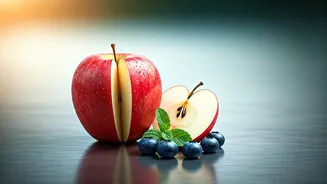
An apple a day might just be the best advice for a soggy season. Apples are rich in pectin, a type of soluble fiber that acts as a prebiotic. This means it feeds the good bacteria in your gut, promoting a healthy digestive system—something that can often feel out of whack during seasonal changes. A well-functioning gut is crucial for nutrient absorption and overall immunity. Furthermore, apples provide a satisfying crunch and hydration without being overly heavy. They help manage blood sugar levels, preventing the energy crashes that can feel even more pronounced on a lethargic, rainy afternoon. Opt for crisp varieties like Honeycrisp or Granny Smith for a refreshing and tangy bite.
Pears: Gentle on the Stomach
When your digestive system feels sensitive, pears are an exceptionally gentle and effective choice. They are low in acid compared to many other fruits, making them easy on the stomach. Like apples, they are an excellent source of both soluble and insoluble fiber, which aids in regular digestion and helps prevent constipation. Their high water content is fantastic for staying hydrated, a key factor in maintaining energy levels and flushing out toxins. Pears also contain flavonoids, antioxidant compounds that can help reduce inflammation. Their naturally sweet, mild flavor makes them a comforting and nourishing snack that won’t overwhelm your system when you’re feeling run down by the humidity.
Plums: For a Vitamin C Kick
Don’t overlook the humble plum. These juicy stone fruits are nutritional dynamos, particularly known for their high concentration of Vitamin C and Vitamin A. Vitamin C is essential for repairing tissues and bolstering the immune system, which can be under extra strain during muggy weather when germs seem to thrive. Plums also contain a unique combination of antioxidants that help protect the body from oxidative stress. Their natural sorbitol and fiber content are well-known for promoting digestive regularity, helping you feel lighter and less bloated. Their sweet-tart flavor is incredibly refreshing, whether eaten fresh or stewed into a simple compote to spoon over oatmeal on a gray morning.
Cherries: Fight Inflammation and Improve Sleep
Cherries, especially tart varieties, are celebrated for their powerful anti-inflammatory properties, thanks to a high concentration of compounds called anthocyanins. This can be particularly beneficial for soothing achy joints and muscle soreness that can feel more pronounced in damp weather. But the benefits don't stop there. Cherries are one of the few natural food sources of melatonin, the hormone that regulates your sleep-wake cycle. Getting quality sleep is foundational to a strong immune system and good energy levels. If the gloomy weather and thick air have you feeling restless, incorporating cherries into your diet might help promote a more restful night, allowing your body to recover and recharge effectively.