



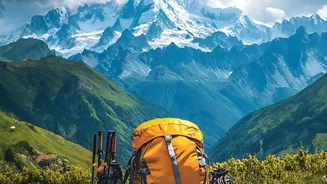
The Golden Rule: Ditch The Cotton
The single most important rule for monsoon trekking is to avoid cotton clothing entirely. Cotton acts like a sponge; it absorbs a massive amount of water and takes a very long time to dry. Wet cotton clings to your skin, making you feel cold and uncomfortable,
and can even increase the risk of hypothermia in cooler, windy conditions. This rule applies to everything: your t-shirts, pants, and especially your socks. Even denim jeans are a poor choice as they become incredibly heavy and restrictive when wet, leading to chafing and discomfort.
Essential Clothing: Quick-Dry is Key
Instead of cotton, your wardrobe should consist of synthetic fabrics like polyester or nylon, which are designed to be 'quick-dry' or 'moisture-wicking'. For a weekend trip, pack two sets of trekking clothes. A good combination includes one to two quick-dry t-shirts (preferably full-sleeved to protect against insects and scratches) and one pair of lightweight, synthetic trek pants. Layering is a smart strategy. A moisture-wicking base layer, a fleece jacket for warmth if the evenings get chilly, and a reliable outer rain layer will keep you comfortable as conditions change.
Your Fortress: Rainwear and Backpack Protection
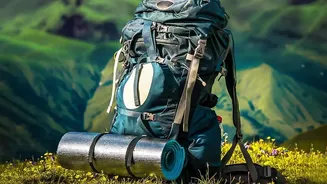
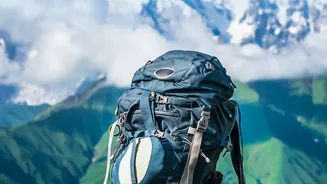
Your primary defence against the rain is a good quality waterproof jacket or a poncho. A poncho can be a great option as it often covers both you and your backpack. Speaking of your backpack, never assume a 'water-resistant' bag will suffice in a downpour. A dedicated, waterproof rain cover for your backpack is non-negotiable to protect your spare clothes, food, and electronics. For an extra layer of security, pack your belongings inside plastic bags or waterproof dry bags within your main rucksack. This 'wet and dry' system ensures you have a completely dry set of clothes to change into at the end of a rainy day.
Footwear: Your Most Critical Gear
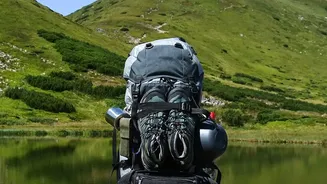
Wearing the wrong shoes on slippery monsoon trails is a recipe for disaster. Your regular sports shoes or sneakers lack the necessary grip for wet, mossy rocks and muddy paths. Invest in a pair of proper trekking shoes with deep lugs on the outsole for excellent traction. Waterproof shoes are highly recommended for monsoon conditions to keep your feet dry. It's also crucial to buy shoes that are half a size to one full size larger than your regular size, as feet tend to swell during long walks. Always break in your new shoes for at least a week before the trek to prevent painful blisters. Pack at least two to three pairs of synthetic or wool-blend socks to ensure you always have a dry pair.
Safety and Health Essentials
A well-stocked first-aid kit is essential. It should include antiseptic wipes, bandages, blister pads, pain relievers, and any personal medications. Due to the damp conditions, it's also wise to include antifungal powder. Insect repellent is another must-have to protect against mosquitoes and, in some areas, leeches. A headlamp or torch is crucial, as trails can get dark quickly under heavy cloud cover or in dense forests. Always carry a water bottle and stay hydrated, even if it doesn't feel hot. Finally, pack some high-energy snacks like nuts, energy bars, or dried fruits to keep you going between meals.