



First, Become a Sunlight Detective
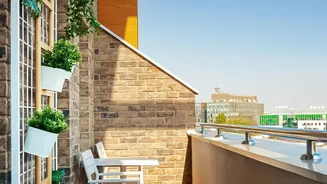
Before you buy a single seed or sapling, your first job is to observe your balcony. For a few days, track how many hours of direct, uninterrupted sunlight it receives. Is it a sun-drenched space that gets blasted from morning to evening? Or is it a shadier
nook that only sees a few hours of gentle morning light? This simple observation is the foundation of your future garden's success. More than six hours of direct sun is considered 'full sun'. Three to six hours is 'partial sun' or 'partial shade'. Less than three hours is 'shade'. Once you know your balcony's light profile, you can choose plants that will thrive, not just survive.
For Sun-Soaked Balconies (6+ Hours of Sun)
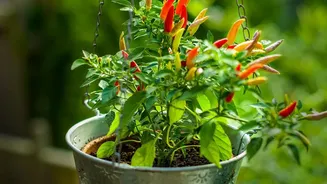
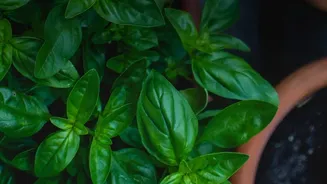
If your balcony is a sun-trap, you're in luck. Many popular and flavourful herbs love to bask in the heat. These sun-worshippers are perfect for a spot that gets direct sunlight for most of the day. Tulsi (Holy Basil) is a must-have in many Indian homes, and it thrives in full sun with regular watering. Rosemary is another fantastic choice; this woody herb loves dry, sunny conditions and its aromatic needles are perfect for roasted dishes. Lemongrass, with its citrusy scent, also grows tall and lush in a large pot placed in a sunny spot. Other great options include Mediterranean herbs like oregano and thyme, which are relatively low-maintenance and reward you with intense flavour. Even green chillies can be grown in pots if your balcony gets enough sunlight.
For Partially Shaded Spots (3-6 Hours of Sun)
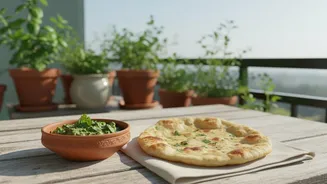
Many balconies have corners that are shaded by buildings or only get sun for part of the day. These spots are perfect for herbs that appreciate a break from the intense afternoon heat. Mint (Pudina) is a classic example; it flourishes in areas with morning sun and afternoon shade. It's famously vigorous, so it's best to grow it in its own pot to stop it from taking over. Coriander (Dhania) also prefers cooler conditions and partial shade to prevent it from 'bolting' (flowering too early). You can also successfully grow chives and parsley in these conditions. They will still get enough light to grow well without their delicate leaves getting scorched.
For Low-Light Balconies (Less Than 3 Hours of Sun)
A shady balcony can seem challenging for a culinary garden, as most flavourful herbs develop their essential oils with sun exposure. However, you still have options. While you might not be able to grow sun-lovers like basil or rosemary, some herbs are surprisingly tolerant of low light. Mint is a top contender, as it can manage in shadier spots, although it might be less bushy. Lemon balm, a relative of mint, also does well in partial to full shade and offers a wonderful citrus scent. Parsley is another hardy choice that will produce leaves in a spot with just a few hours of indirect light. In very shady areas, the flavour of herbs can be milder, but having fresh greenery is still a delight.
Beyond the Sun: Soil, Water, and Pots
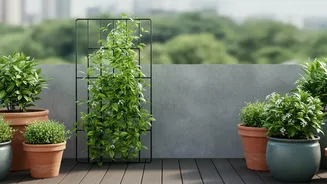
Matching herbs to sunlight is the most important step, but don't forget the basics. Ensure every pot has drainage holes at the bottom to prevent waterlogging and root rot. Use a well-draining potting mix, which you can buy or make by combining soil, compost, and sand. How often you water depends on the plant, pot size, and weather. A simple rule is to stick your finger about an inch into the soil; if it feels dry, it's time to water. Sun-loving herbs in small pots may need watering daily in the summer heat, while shade-tolerant plants in larger pots will need less. Finally, don't be afraid to harvest your herbs regularly. Pinching off leaves encourages the plant to become bushier and more productive.