


Winter’s Two-Part Attack on Your Skin
Winter air is the primary culprit behind seasonal dryness. First, cold air holds significantly less moisture than warm air. When the humidity drops, the dry air acts like a magnet, pulling moisture directly from the surface of your skin in a process called
transepidermal water loss (TEWL). Second, we spend more time indoors with central heating, which further strips the air of humidity, sometimes creating an environment drier than a desert. This constant exposure to low humidity, both indoors and out, puts immense stress on your skin's ability to stay hydrated.
Why Aging Skin Is More Vulnerable
As we age, our skin's natural defense system becomes less robust, making it more susceptible to winter's drying effects. The skin’s protective moisture barrier, a wall-like structure made of cells and natural fats (lipids), weakens over time. Production of key lipids like ceramides, which act as the 'mortar' holding the barrier together, declines. Simultaneously, the skin produces less sebum, the natural oil that helps seal in moisture. This means that not only does moisture escape more easily, but the skin also has a harder time repairing itself, leaving it feeling persistently dry and tight.
The Science Behind a ‘Richer’ Cream
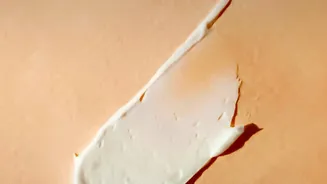
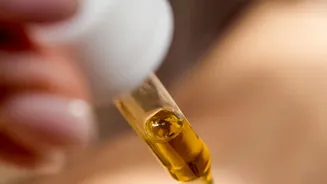
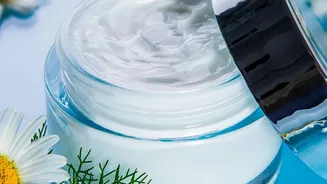
When a cream is described as ‘rich’, it typically refers to a formula that combines three types of powerful moisturizing ingredients: humectants, emollients, and occlusives. Think of it as a complete strategy for hydration. Humectants, like hyaluronic acid and glycerin, act like magnets, drawing water into the skin's top layer. Emollients, such as squalane and fatty acids, work to soften the skin and fill in the gaps between cells, repairing the barrier. Finally, occlusives, like shea butter and petrolatum, form a protective seal on the surface to prevent all that valuable moisture from evaporating. A truly effective winter cream will contain a blend of these to both add and lock in hydration.
Key Ingredients to Look For
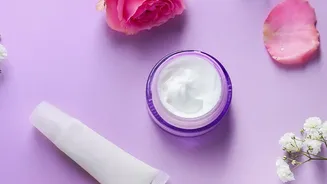
To combat the dual challenge of aging and winter dryness, scanning the ingredients list is key. Look for creams that are rich in ceramides to help rebuild and fortify your skin's compromised barrier. Ceramides are crucial for replenishing the 'mortar' that keeps your skin strong and resilient. Another hero ingredient is hyaluronic acid, which provides a surge of hydration that can make skin look and feel plumper, helping to soften the appearance of fine lines caused by dehydration. For the sealing effect, look for nourishing ingredients like shea butter, which provides a rich, protective barrier to lock everything in and shield your skin from the cold, dry air. These ingredients work together to restore comfort and health to stressed winter skin.
Simple Tips to Maximise Comfort
Beyond just using a richer cream, a few adjustments to your routine can make a big difference. Always apply moisturizer to slightly damp skin, such as right after a shower. This helps to trap existing water in the skin, making your cream more effective. Consider adding a humidifier to your bedroom to increase the moisture content in the air while you sleep, giving your skin a break from the dry indoor environment. Also, be mindful of water temperature; long, hot showers can strip your skin of its natural oils, so opt for shorter, lukewarm showers instead. These small habits, combined with the right product, can help keep your skin feeling comfortable all winter long.